
Skip to content

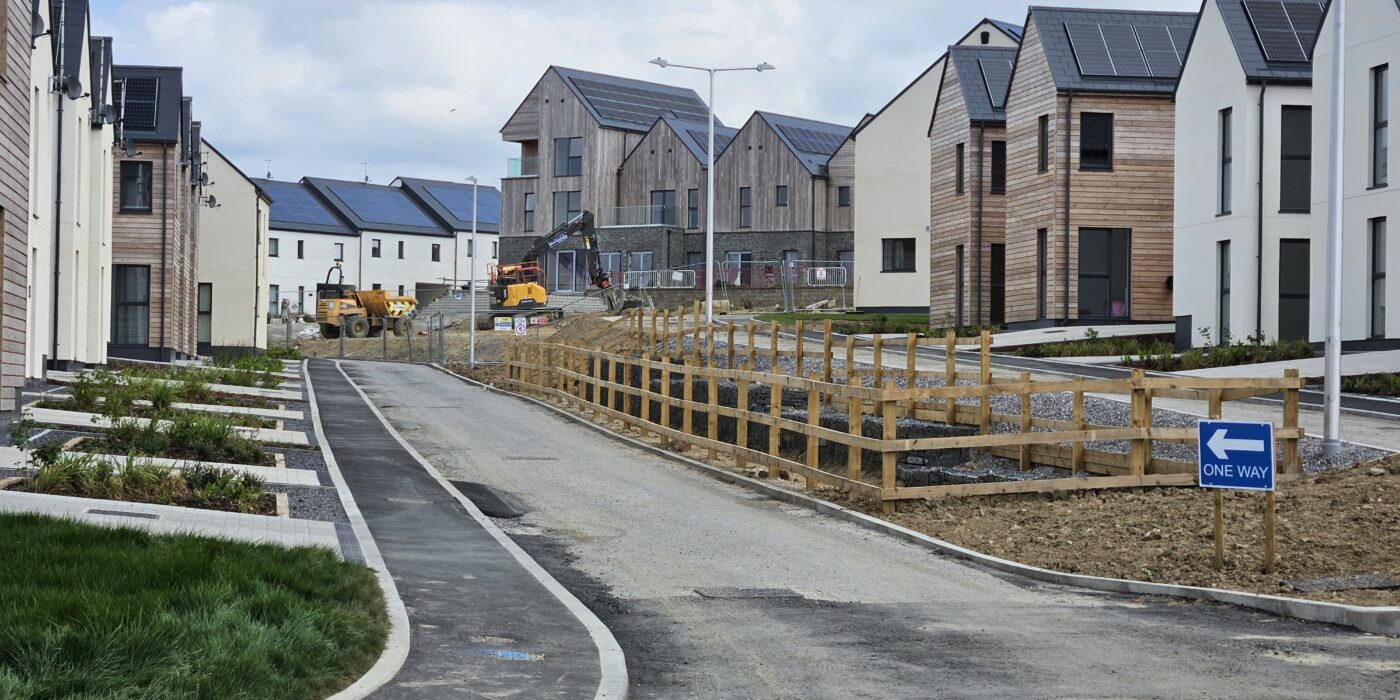
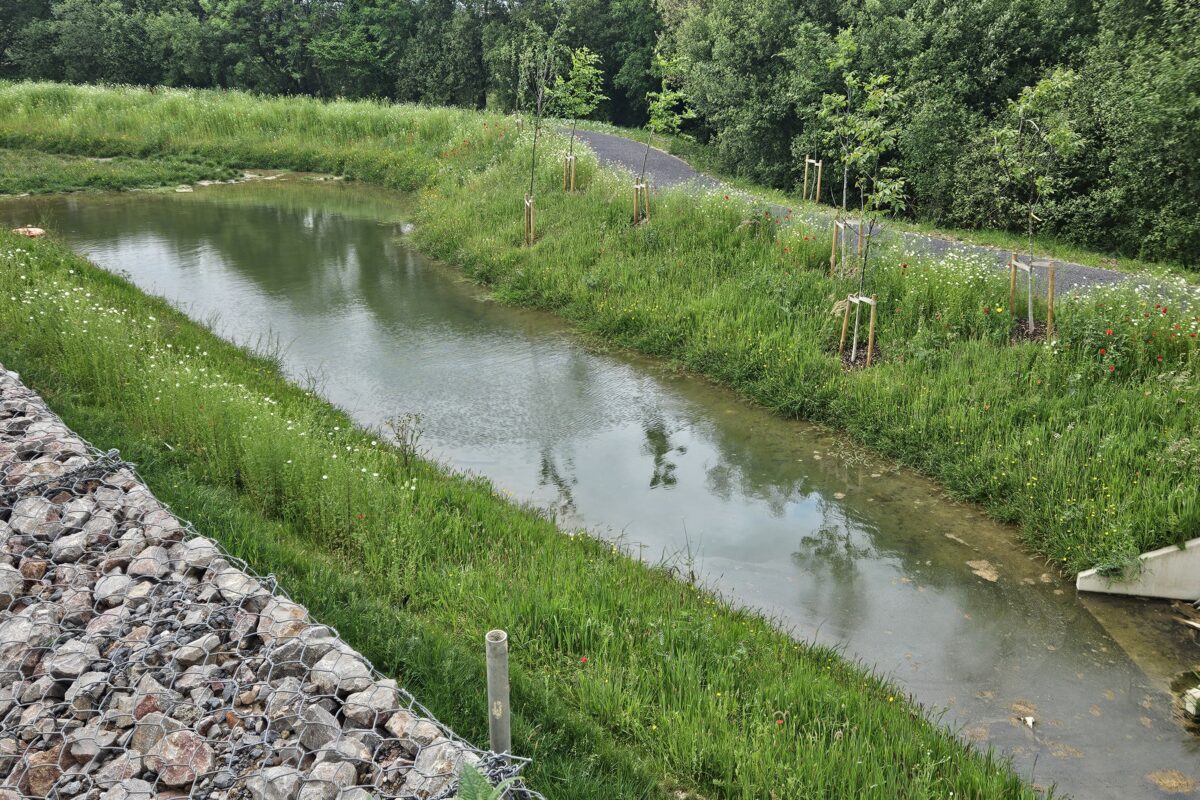
Requests for drainage verification reports from local authorities as part of development approval have become increasingly frequent, as Sustainable Drainage Systems (SuDS) have been introduced as guidance across England, following their mandatory introduction in Wales in 2019. Planning authorities are placing greater emphasis on demonstrating that the designed drainage system for a development has been built in accordance with the approved design, is performing as intended, and will operate effectively once the development is occupied. In our latest webinar, Toby Crayden, Civils Technical Director, explored what a good drainage verification report should look like, the common hurdles that need to be overcome, and how early engagement and good record-keeping can make the process more straightforward, reduce delays and costs.

One of the most common hurdles is commissioning a verification report too late, leaving little time for the system to be reviewed, necessary changes made, and the report submitted.   

Planning conditions often require verification before a development is occupied, leaving a narrow window to complete the assessment and resolve any issues that arise. If problems are identified too late, there may not be time for remedial works before planned occupation dates, causing costly delays. 

Early engagement and communication between the developer, contractor, and verifier can make the process more effective and help prevent delays. Reviewing construction information and evidence as works progress means potential issues can be identified during build, amended, and passed earlier, rather than having to investigate everything at the end of development.  

Plus, a large proportion of drainage infrastructure is below ground and therefore difficult to inspect once construction is complete.  

In the webinar, Toby talked through how progress photos, delivery information, site records and CCTV surveys can all help build a picture of how the drainage has been constructed and provide the verification engineer with confidence that the system will perform as intended.  

As discussed in the webinar, even relatively straightforward installation errors can affect how drainage infrastructure performs. Identifying these issues prior to the system becoming operational can prevent significant problems in the future. 

 Watch the webinar  

Watch the webinar back now to hear Toby Crayden talk through drainage verification reports in more detail, including what planning authorities are looking for, common issues encountered on developments, the role of CCTV and construction records, and how developers and contractors can make the verification process as straightforward as possible.  


Want to Learn More?

If you’re facing grid capacity challenges or want to explore innovative approaches to unlocking development, watch the full webinar for more insight.

Plus don’t forget to subscribe to our YouTube channel to keep up to date with industry updates and key insights.

Civils Technical Director

Toby Crayden

Read Profile

More News

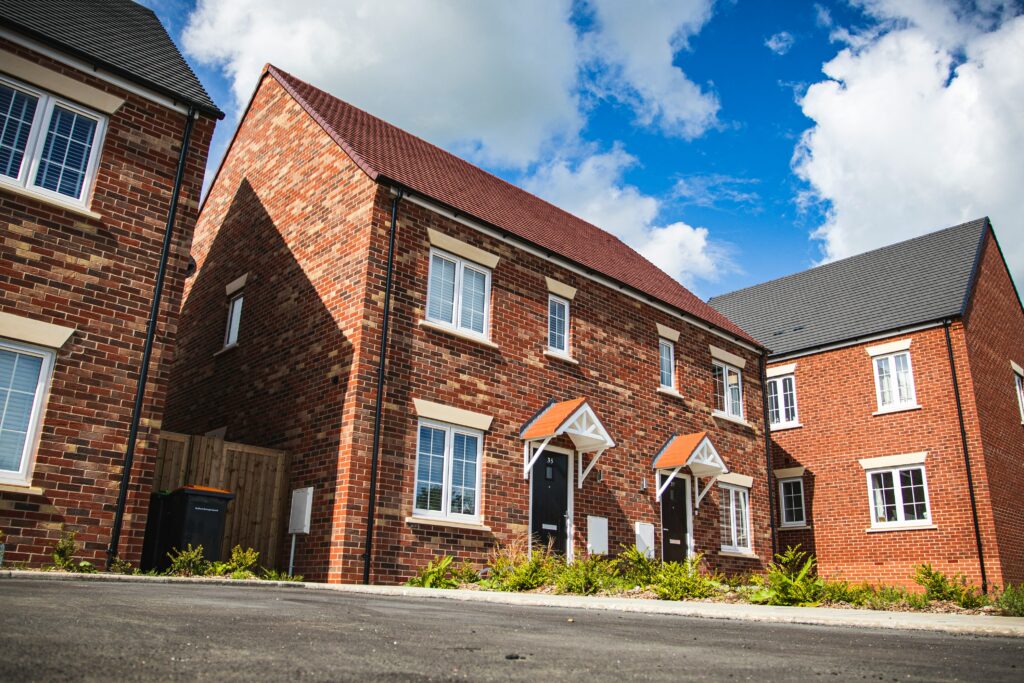
A red brick semi detached house in a residential area. It has a grey driveway with greenery in the front garden

Brookbanks Podcast #25: Policy, Progress & Positivity

September 16, 2026

Residential As the UK continued to face pressure to deliver more homes, the housebuilding sector was operating in a complex and fast-moving environment. From policy reform and planning uncertainty to skills availability and new regulatory requirements, the conditions shaping residential development remained firmly in focus. The latest episode of the Brookbanks Podcast our Head of Cost & Commercial, Ben Wakeling sat down with Neil Jefferson, CEO of Home Builders Federation to discuss the current policy and initiatives HBF are in conversation with the Government about. Drawing on their experience across residential build planning, Ben and Neil share their perspectives on where the UK housebuilding industry currently stands, whether there is enough labour force to keep up with property building demands and the opinion of how the building safety levy will affect the industry.
Read More