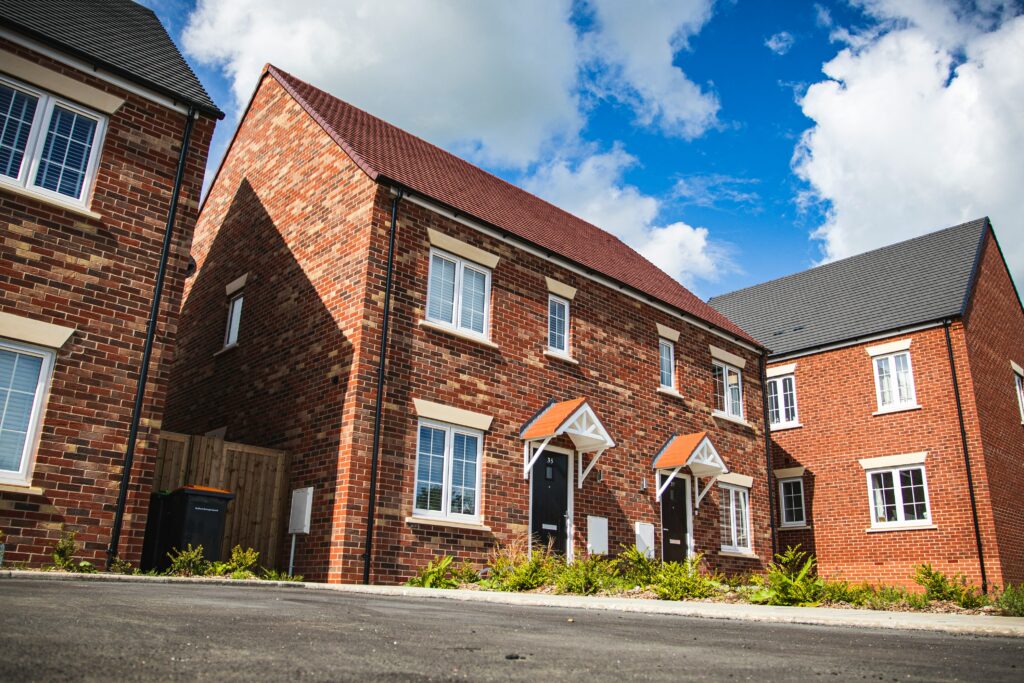
Mitigating the Impact of Global Uncertainty

Rising geopolitical tension does not affect development viability in isolation, but through increasing pressure on energy prices, supply chains and the cost of energy‑intensive materials. Where schemes are progressed on assumptions made under more stable conditions, these pressures can quickly challenge margins, appraisals and deliverability, particularly in a flat housing market. Our article looks at how developers can respond to build cost volatility in a more informed and proportionate way. Drawing on our specialists' experience, it explores how early coordination, design‑led value engineering and integrated decision‑making can help manage cost risk, protect scheme viability and avoid short‑term measures that compromise long‑term quality and value.
How to mitigate the impact of geopolitical uncertainty on development viability
Geopolitical uncertainty has once again moved to the forefront of industry concern, with rising tensions in the Middle East creating renewed pressure on energy markets and, in turn, construction costs. For developers, the implications are familiar but no less challenging, particularly at a time when sales values remain relatively static across much of the UK housing market.
Recent trading updates from major housebuilders underline this growing concern. In late April, Taylor Wimpey reported steady sales but cautioned that rising energy costs are beginning to feed through into build cost inflation, with pressure and surcharges emerging across supply chains. Similarly, Persimmon noted early signs of inflationary pressure linked to ongoing geopolitical and economic uncertainty, alongside a renewed focus on cost control and cash generation.
This pattern is not new. Over the past decade, global conflicts have repeatedly driven up energy and fuel prices, with direct consequences for UK construction. The invasion of Ukraine triggered sharp increases in oil and gas costs, with some materials rising by more than 40 per cent at their peak. Earlier instability in the Middle East had comparable effects. When energy supply is constrained or disrupted, prices rise, and these increases are felt most acutely in energy‑intensive materials such as bricks, blocks, steel and plasterboard.
The implications for development viability are significant. Rising build costs put immediate pressure on margins, challenge appraisals and can threaten delivery, particularly where schemes were assessed against viability assumptions made under very different market conditions. In a flat or slow‑moving market, there is limited scope for cost increases to be absorbed through sales values, making strategic decision‑making more important than ever.
Understandably, many development teams look first to specification reduction or material downgrades as a way of protecting margins. While this approach may offer short‑term relief, it carries risks. Poorly targeted value engineering can undermine long‑term value, compromise placemaking and design quality, and expose developers to reputational or operational issues later in the lifecycle of a scheme.
A considered approach to value and cost management
At Brookbanks, we cannot insulate projects from global cost pressures. What we can do is support clients in responding to them in a measured, informed and strategically sound way.
Our approach to value engineering is rooted in design intelligence rather than cost cutting. Working as one integrated team across planning, environmental services, engineering and design, project delivery and management, cost and commercial guidance, and our role as development partner, we take a holistic view of each scheme. This allows us to identify efficiencies that respect the original intent of a development while protecting quality, functionality and long‑term value.
In practice, this may involve refining drainage strategies, optimising foundation and structural solutions, or reviewing infrastructure layouts to improve efficiency. In some cases, it extends to re‑examining site configurations, access strategies or phasing approaches to reduce risk and enhance deliverability. The key is that these decisions are made with a clear understanding of both technical implications and commercial outcomes.
Early engagement is critical. By working with clients at the outset of a scheme, we are able to question assumptions, test options and coordinate specialist input before costs become fixed or opportunities are lost. This collaborative approach helps clients make informed decisions that balance immediate cost pressures with long‑term performance and value.
This way of working has helped us support clients in identifying potential savings of more than £40 million so far in 2026 across live and emerging schemes, without compromising the quality or ambition of their developments.
In periods of uncertainty, clarity, coordination and foresight become even more important. If you are reviewing the viability of a scheme or considering how best to respond to rising construction costs, we are always open to having a chat. By working together early, we can help navigate uncertainty and support the delivery of projects that remain commercially robust, carefully designed and fit for the long term.

Head of Cost and Commercial
Ben Wakeling
Read ProfileMore News

Our July 2026 Newsletter
August 17, 2026
This month, we’ve continued to explore many of the key themes currently influencing the built environment, from sustainable drainage and climate resilience through to structural efficiency, site disposal and long-term project performance. A particular highlight from the past month was the publication of our new report, written in conjunction with the Home Builders Federation (HBF), examining Sustainable Drainage Systems and the opportunities we’ve identified in Wales to support greater consistency, certainty and efficiency ahead of guidance becoming legislation across England. This month, we also shared some exciting leadership news as we continue to grow and evolve following our recent partnership with CBPE. Plus, read on to take a look back at our latest thought leadership article covering development viability, as well as three podcast episodes from the past few weeks.