
Podcast Episode #10: The Highways Technical Approval Process

Explore our expert insights into the Highways Technical Approval process, including S278 and S38 approvals, common challenges, timelines, and how we help streamline safe, compliant and efficient delivery.
The Highways Technical Approval process is one of the most significant milestones in the lifecycle of a development, yet it remains one of the least understood.
In our latest podcast episode, we explore this essential topic in depth, with insights from Senior Associate Director and highways specialist Mark Baldwin, hosted by Ben Wakeling, our Head of Cost & Commercial.
Drawing on experience from both the developer side and the consultant side, Mark offers a rare dual perspective. He has experienced the pressure of trying to unlock a site while waiting on lengthy approvals, and he has also been the specialist working meticulously to secure those same approvals. This means he understands the technical, commercial and delivery challenges in equal measure.
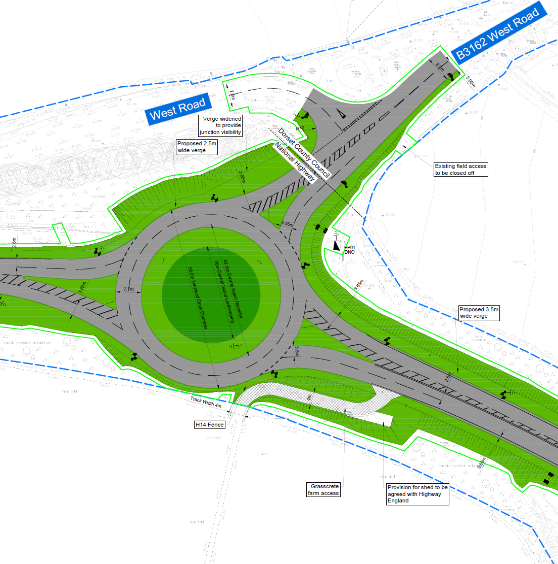
Understanding the Highways Technical Approval Process
Highways Technical Approval is the formal assessment carried out by a local highway authority to ensure that proposed works affecting the public highway are safe, compliant and fit for adoption. At its core, the process confirms that designs meet local standards, national legislation and best‑practice engineering principles.
Mark breaks down the two main approval routes under the Highways Act 1980:
Section 278 (S278)
For works within the existing adopted highway, such as:
- New access junctions
- Highway improvements
- Footways, crossings and traffic management elements
S278 approvals ensure developments integrate safely into the current highway network.
Section 38 (S38)
For new roads or infrastructure intended for adoption, including:
- Estate roads
- Footpaths and cycle routes
- Drainage and associated highway infrastructure
S38 agreements provide the mechanism for the local highway authority to formally adopt new roads in new developments.
Mark also highlights related processes such as S37, Stopping Up Orders, and Traffic Regulation Orders (TROs), each carrying its own requirements, timescales and risks.

Why Highways Technical Approval Is So Important
Technical approval is not just a formality. It is a legal and safety-critical requirement that underpins the entire programme. Without technical compliance:
- Works affecting the public highway cannot legally begin
- Pre‑occupation conditions may prevent new homes or buildings from being used
- Contractors may face redesigns or abortive works
- Developers may face delays to sales, occupation and cashflow
- Funding gateways tied to technical approval may remain closed
Mark shares examples of completed residential developments left unoccupied for months simply because S278 approvals were still pending, demonstrating how approvals directly influence viability, reputation and delivery confidence.
Timelines and Challenges Developers Should Expect
One of the biggest frustrations for developers is the length and variability of approval timelines. In the episode, we explore how long the Highways Technical Approval process really takes:
- Basic S278 approvals: typically 3–9 months
- More complex junctions: often take far longer
- S38 approvals: similar timelines, though works sometimes start early at risk
Approval delays can affect every part of the project:
- Procurement becomes uncertain
- Contractor pricing becomes volatile
- Designs remain “live” and subject to change
- Programmes must be repeatedly re‑sequenced
- Sales, occupation and marketing strategies may all be impacted
This is why approval certainty is so valuable, and why our team works proactively to improve it wherever possible.

How We at Brookbanks Streamline the Highways Technical Approval Process
As one team of infrastructure, engineering and development specialists, we work collaboratively to reduce delays, increase certainty and support smooth delivery. Mark outlines several ways we help clients accelerate approvals and avoid repeated cycles of comments and redesign.
Early Engagement
We engage early with local highway engineers, often during the planning stage, to understand expectations before designs are submitted. This reduces design risk and avoids late surprises.
Clear, Robust Submissions
We prepare detailed, coordinated design packs that address constraints proactively. By answering questions before they are asked, we reduce the number of design iterations required.
Advising on Planning Conditions
We help clients avoid unnecessary pre‑commencement conditions linked to S278 works, which often cause avoidable site delays.
First‑Submission Walkthroughs
Meeting with local authorities at the point of submission allows us to explain the design logic clearly, ensuring smoother and faster review cycles.
Supporting Documentation
We include supporting designs such as lighting layouts, utilities information, and other key documents required for technical assessment, all of which help avoid delays later.
Our collective experience across design, planning, engineering and delivery enables us to drive the process with clarity, confidence and momentum.
What Developers Can Do to Support Faster Approvals
Mark also shares what developers can do to create the conditions for success:
- Engage early and instruct design work promptly
- Provide required surveys upfront, including:
- Topographical surveys
- Utilities plans
- PAS128 surveys
- Travel plans and transport assessments
- Allow enough programme time for approvals
- Understand that approval is a legal safeguard, not an administrative hurdle
With the right information and early involvement, the approval process becomes far more predictable.

Catch Up Now!
This episode is essential listening for anyone involved in civil engineering, infrastructure delivery, development planning or highways design in the UK. Whether you’re a developer, contractor, local authority officer or simply interested in how technical approvals shape project delivery, you’ll find plenty of practical insight and real‑world experience in this discussion.
Watch the full episode now: Brookbanks Podcast Episode #10: Highways Technical Approval Process
Stay tuned for more episodes as we continue exploring the key challenges, opportunities and innovations that shape infrastructure, planning and development in 2026 and beyond.
Team members on the podcast

Head of Cost and Commercial
Ben Wakeling
Read Profile
Senior Associate Director
Mark Baldwin
Read ProfileMore News

Our July 2026 Newsletter
August 17, 2026
This month, we’ve continued to explore many of the key themes currently influencing the built environment, from sustainable drainage and climate resilience through to structural efficiency, site disposal and long-term project performance. A particular highlight from the past month was the publication of our new report, written in conjunction with the Home Builders Federation (HBF), examining Sustainable Drainage Systems and the opportunities we’ve identified in Wales to support greater consistency, certainty and efficiency ahead of guidance becoming legislation across England. This month, we also shared some exciting leadership news as we continue to grow and evolve following our recent partnership with CBPE. Plus, read on to take a look back at our latest thought leadership article covering development viability, as well as three podcast episodes from the past few weeks.