Podcast Episode #5 – Structural Engineering in Reusing Buildings
In this thought-provoking Podcast episode, hosted by Ben Wakeling, Rob Houlston, Structural Engineer and Shawn Galliers, Director of Sustainability, explores how structural engineering can play a pivotal role in the reuse of existing buildings, offering both sustainability and cost-efficiency benefits. Drawing parallels with other industries-like fashion, electronics, and automotives.
Why Reuse Matters
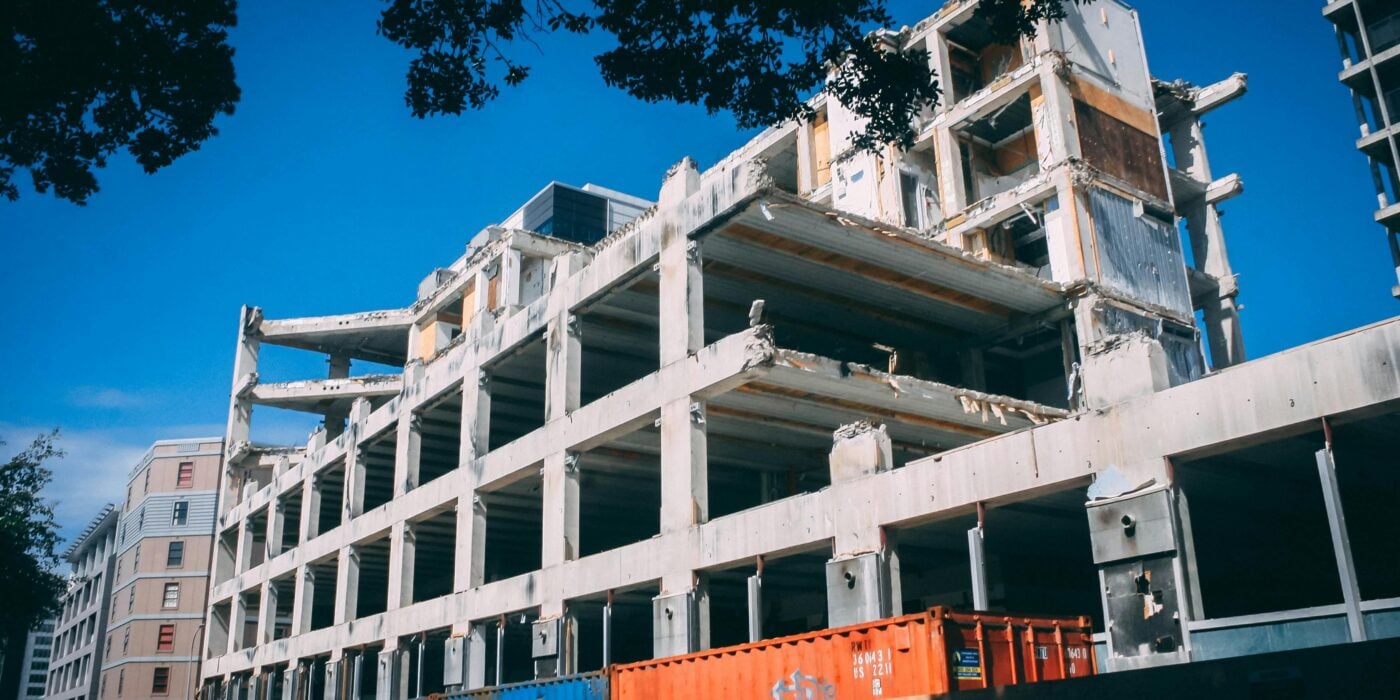
Retaining the structural frame of a building can save embodied carbon and costs compared to full demolition and rebuild. These savings are not just environmental- they’re economic. By approaching buildings from a lifecycle perspective, engineers can unlock value across carbon, material, energy, and cost.
Other industries reuse and repair things like clothes, gadgets and cars, so why not buildings?
The Engineer’s Role in Adaptive Reuse
Structural engineers are central to this shift. Their responsibilities span:
- Feasibility assessments
- Planning and managing works
- Compiling results and drawing conclusions
- Controlling expectations
- Test of true understandings of materials in the real world
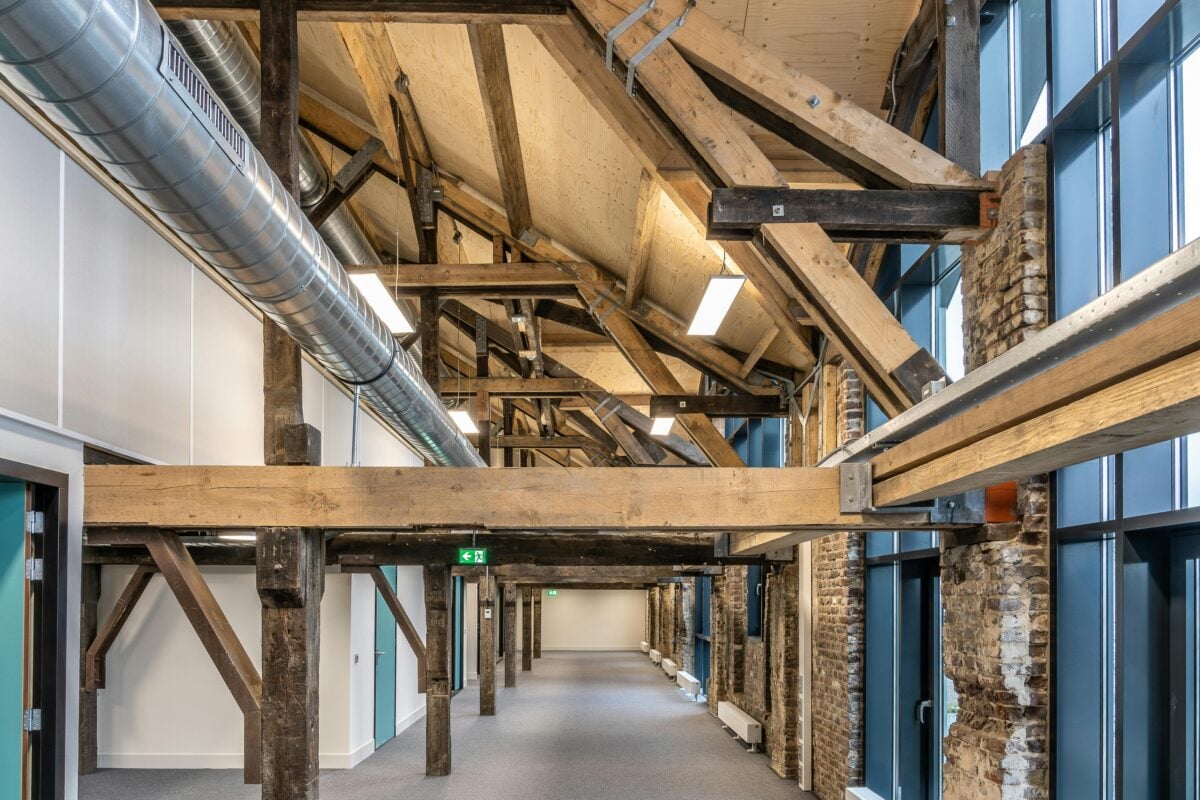
The new emphasis is that design is about accommodating change, not compromising vision. This mindset is key when adapting buildings for new uses-whether increasing floor space, changing function, or meeting heritage planning requirements.
Challenging Traditional Thinking
Historically, buildings were overdesigned due to limited analysis tools-relying on calculators and rules of thumb. Today, engineers must revisit assumptions and ask:
- What can materials really do?
- Where are the forces really going?
Real-world examples, like masonry walls that defy conventional calculations, highlight the need for a deeper understanding of materials in practice.
Redefining Success in Construction
Traditionally, success in construction was measured by time and cost. But as society shifts toward electric vehicles, renewable energy, and organic food, the pressure is on architects and engineers to lead the way in sustainable transformation.
🎧 Listen Now!
This episode is a must-listen for anyone interested in sustainable development, adaptive reuse, and the evolving role of structural engineers in shaping a low-carbon future.
Stay tuned for future podcast episodes!
Team members on the podcast

Head of Cost and Commercial
Ben Wakeling
Read ProfileMore News

Our July 2026 Newsletter
August 17, 2026
This month, we’ve continued to explore many of the key themes currently influencing the built environment, from sustainable drainage and climate resilience through to structural efficiency, site disposal and long-term project performance. A particular highlight from the past month was the publication of our new report, written in conjunction with the Home Builders Federation (HBF), examining Sustainable Drainage Systems and the opportunities we’ve identified in Wales to support greater consistency, certainty and efficiency ahead of guidance becoming legislation across England. This month, we also shared some exciting leadership news as we continue to grow and evolve following our recent partnership with CBPE. Plus, read on to take a look back at our latest thought leadership article covering development viability, as well as three podcast episodes from the past few weeks.