What is a Master Developer
Over the past 23 years, Brookbanks has developed a wide range of fully integrated skills, which have been successfully packaged since 2014 to provide the Master Developer function across various major development sites. Put simply, this role provides an over-arching outcome focused product, normally being the delivery of project with all physical and social infrastructure, leaving the leading housing developers to do what they do best – build great homes. Brookbanks is one of only a handful of businesses in the UK to carry out this role successfully and consistently, with an outstanding and tested track record nationally.
The Master Developer role can span for the full development lifecycle, from site selection to planning, procurement and through delivery. This approach then provides all professional and operational services for the project, ultimately providing serviced parcels for busy housing developers. Long term partnerships are formed across the delivery teams , ensuring consistency of knowledge and ownership throughout.
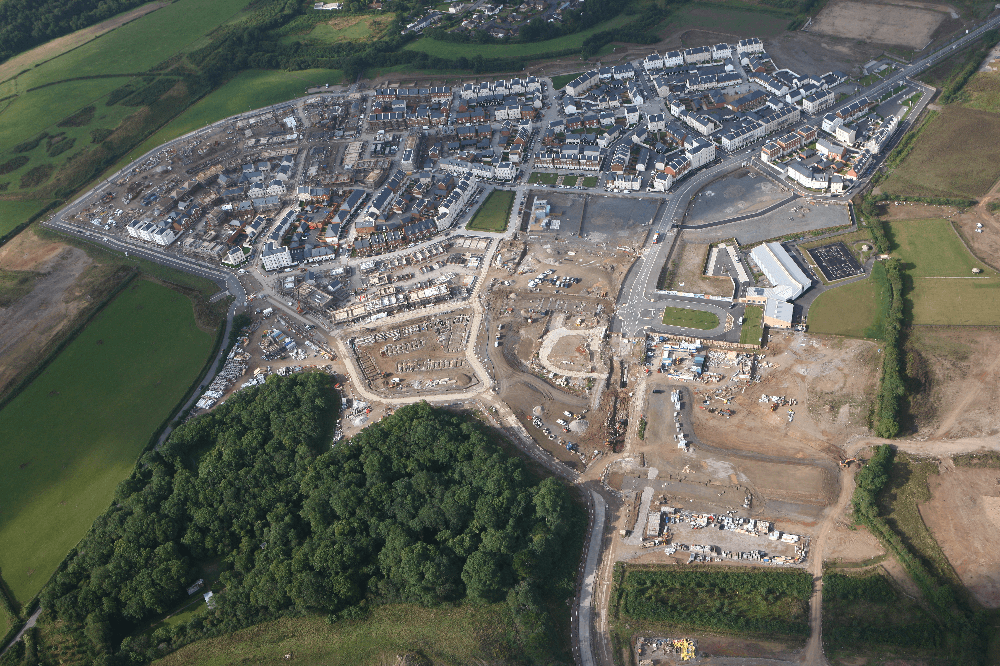
Sherford is one of Brookbanks most exciting projects, which lies in the south west near Plymouth. This is a new settlement of 5,500 new homes, 850,000 sqft of new employment space, 7km of new roads including a new link road and junction works to the A38, a new 500 acre Country Park, 5 miles of wildlife corridors, four new schools, town hall and a leisure centre.
Here is a link to a short video of Sherford:
The Brookbanks Master Developer difference
- Project Outcome Ownership: One point of contact across all disciplines led by Brookbanks and managed through and Project Board structure. External specialists are used where needed (for example, planning consultants, master planners and ecologists) to drive a project forward at pace, engaging with the local community and key public stakeholders. Brookbanks drive the outcomes within an agreed set of parameters as defined through the operating agreements.
- Specialist Skills Sets and Experience: Major project delivery has different demands, opportunities and risks. The project benefits from specialist and cohesive delivery teams. Having a cohesive team that specialises in major project delivery means the specialist skills to support these projects are developed, resulting in better outcomes.
- Accelerated Delivery: Careful programming and coordination through the planning and delivery phases can deliver substantial time benefits. At Sherford, Brookbanks was initially brought in to replace a non-specialist project manager and consultant team, with a target to drive change and the delivery programme, which has been successfully achieved.
- Value Engineering and Management (VEM): There are significant complexities in major projects, which include various technical, planning and environmental challenges. Determining and achieving the most cost-efficient route across these pathways to drive the short-term delivery while ensuring the long-term value is protected and enhanced is at the heart of what drives the Brookbanks business for the benefit of our clients.
Ethos: Achieved through adopting a non-siloed multi-disciplinary, solution-based service delivered by experienced senior professionals. Brookbanks put ourselves in our Client’s position and always aim to create value.