
Hawthorn Corner
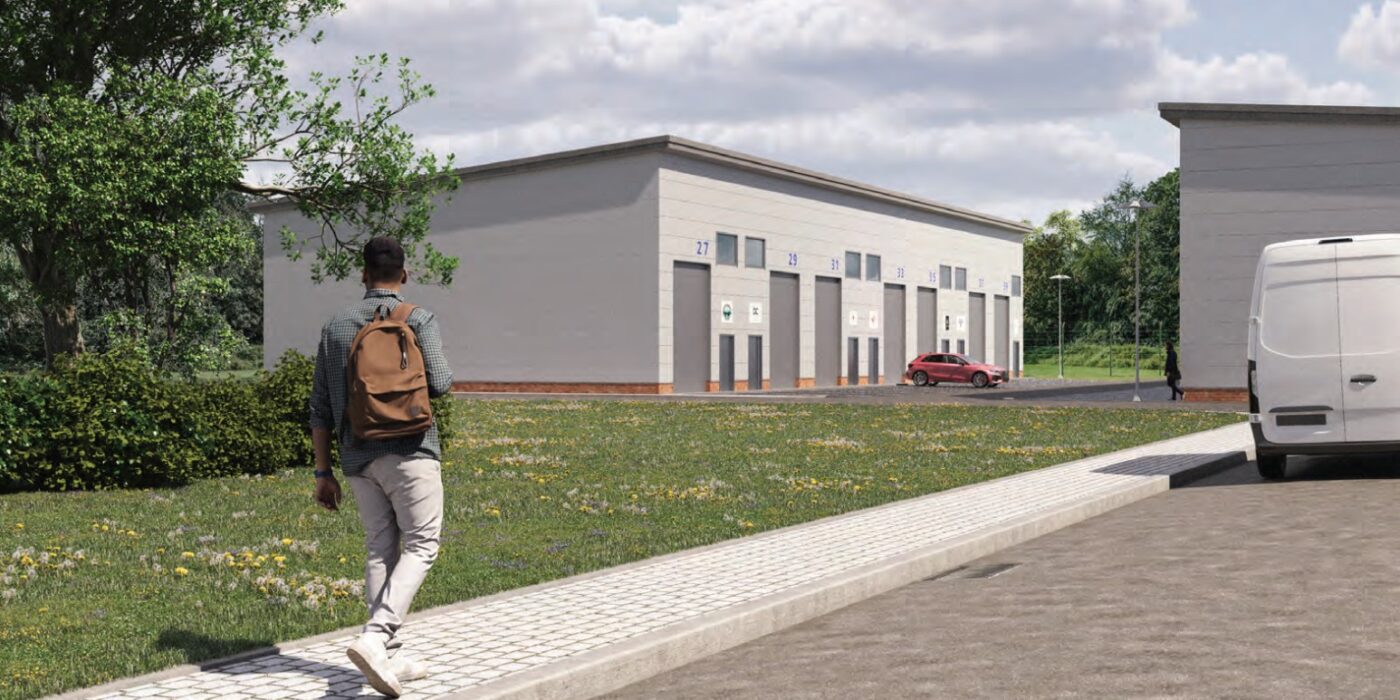
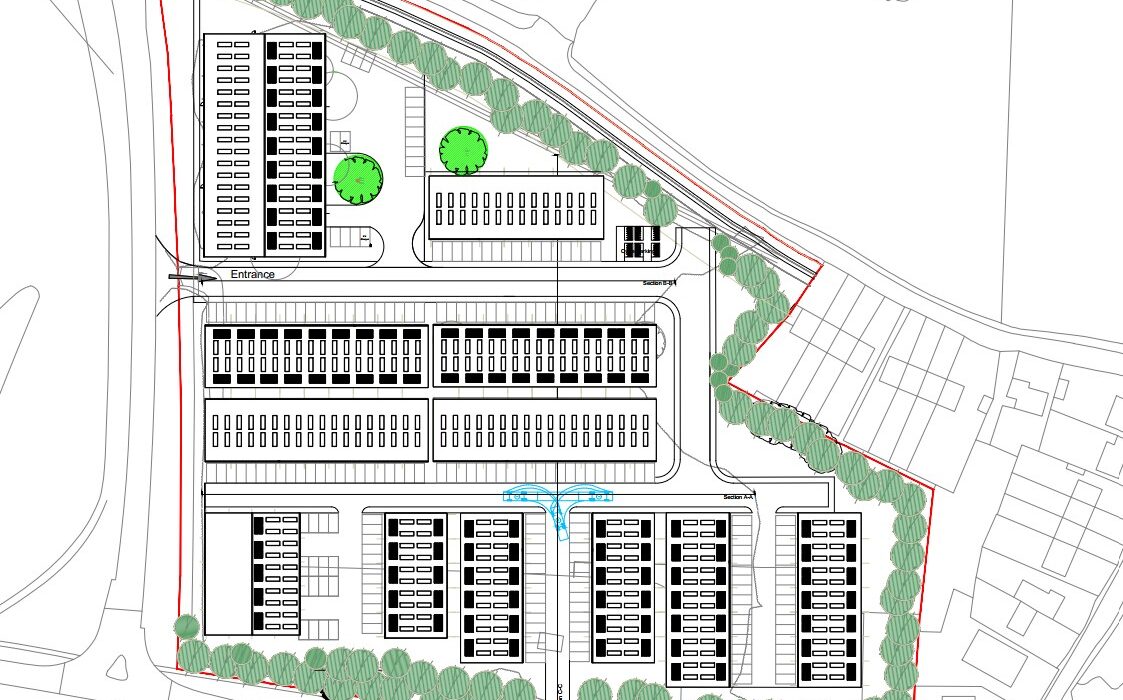
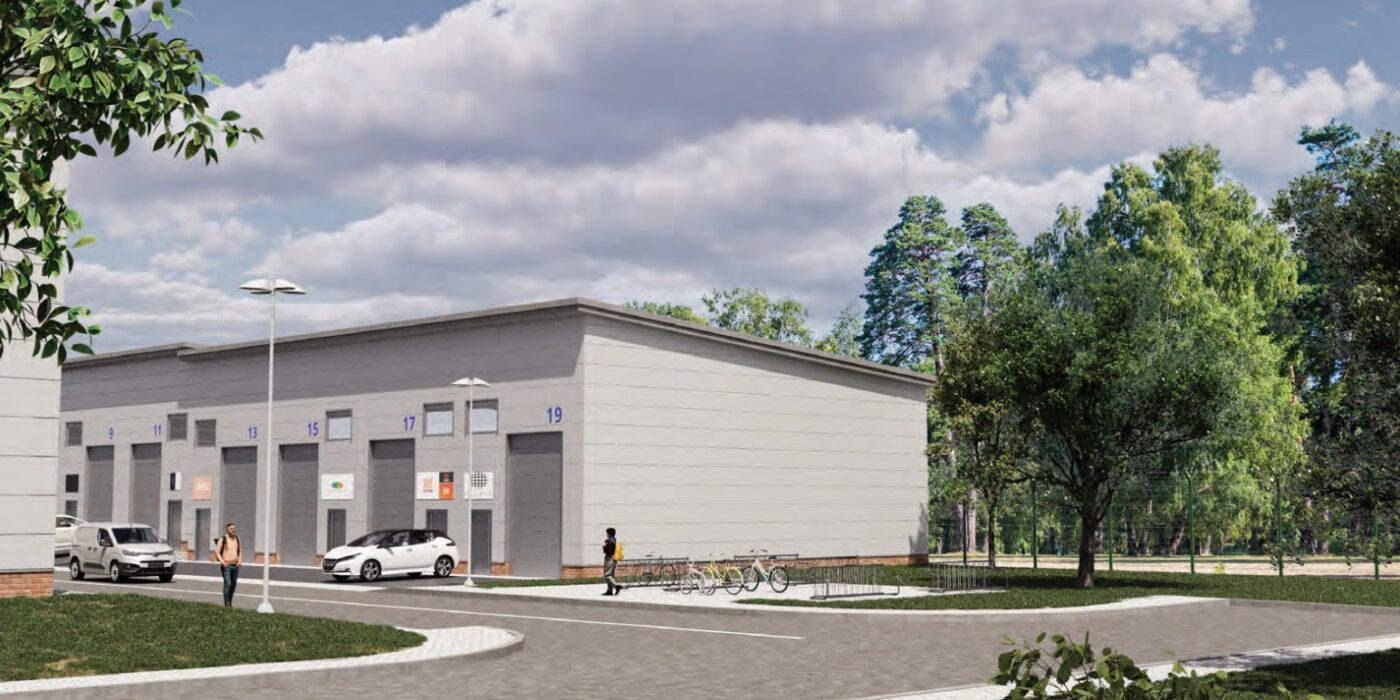
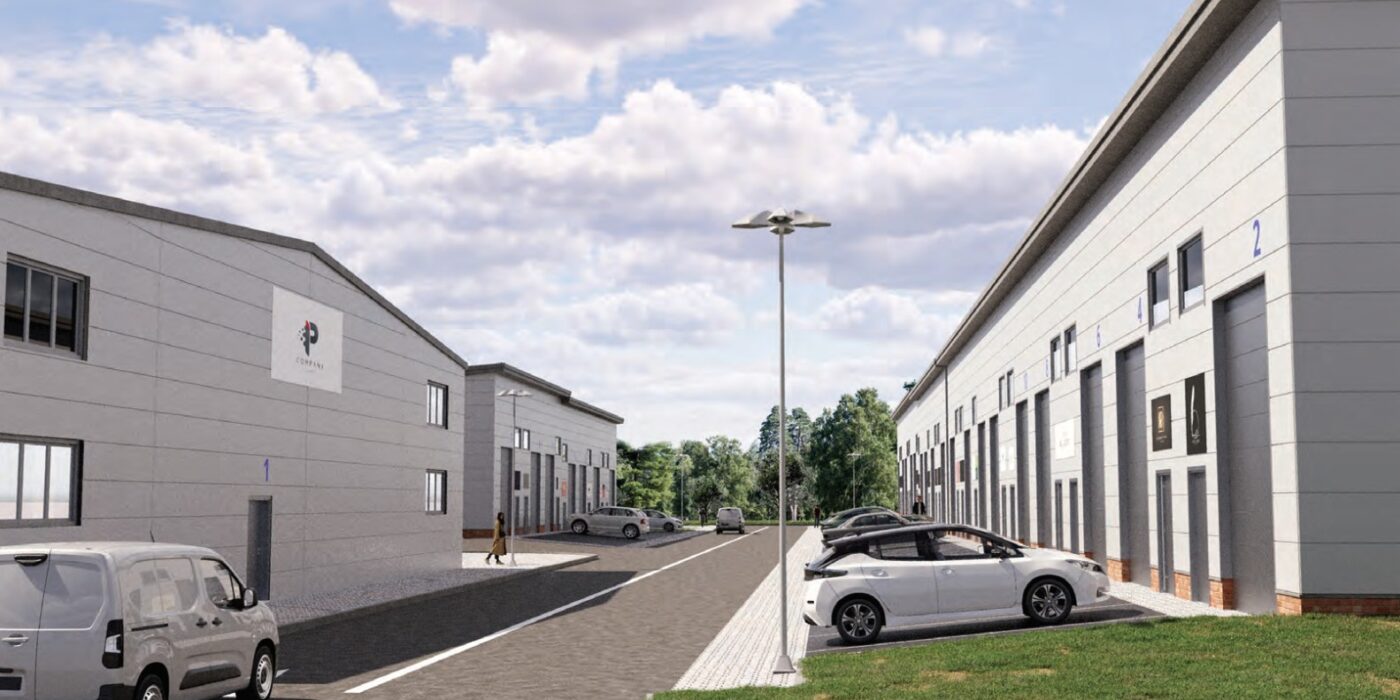
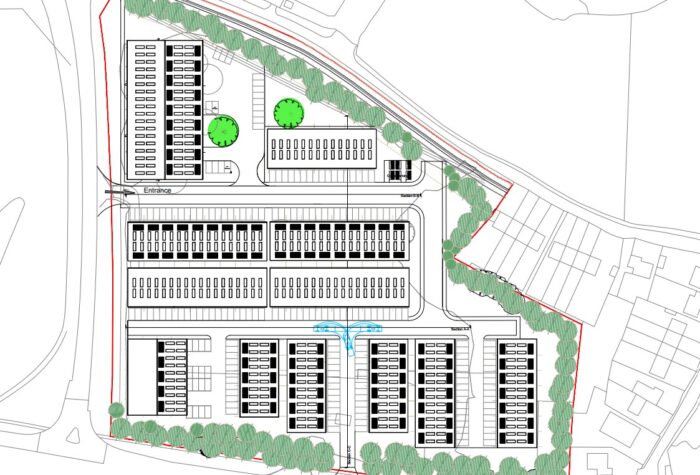
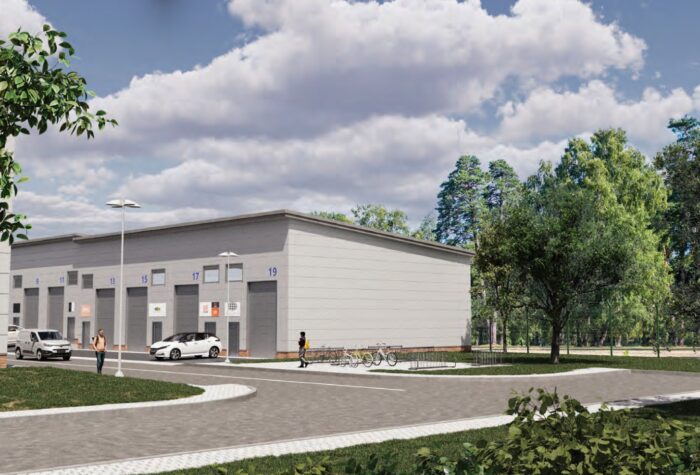
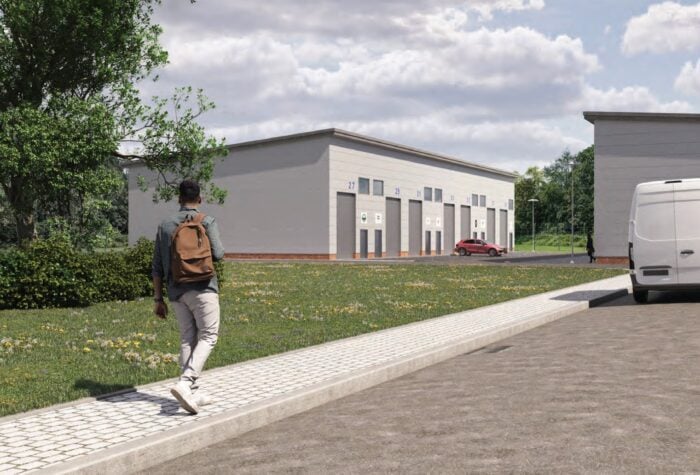
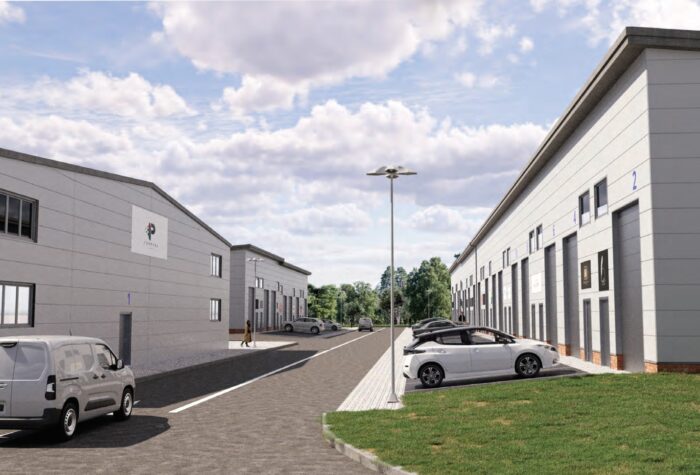
Hawthorn Corner is a mixed industrial and commercial development in Whitstable, Kent, comprising 135,000 square feet of employment space alongside a restaurant/café, new highway access, internal road infrastructure and associated landscaping. The scheme required a carefully considered drainage and levels strategy to support planning condition discharge and enable the development to progress toward construction.
Our Role
George Wilson Developments appointed us to provide specialist civil engineering and drainage support, with a particular focus on reviewing, optimising and discharging the drainage‑related planning conditions. Working closely with the project team and the client’s appointed planning architect, Clague Architects, our role centred on developing a robust, deliverable drainage design that responded to site constraints, flood risk considerations and regulatory requirements.
Our approach focused on understanding how the drainage strategy interacted with site levels, building layouts and external works, ensuring the final design was both technically robust and practical to deliver. This involved undertaking a comprehensive drainage and levels review, identifying opportunities to refine the strategy and value engineer the earlier proposals without compromising regulatory compliance.
Throughout the process, we maintained close coordination with the wider project team and statutory bodies to ensure that submissions were clear, accurate and aligned with the expectations of all stakeholders.
The Outcome
Drainage and Levels Strategy
A core element of the project was gaining a detailed understanding of the site’s topography and surrounding geomorphology. An early site visit allowed us to assess existing ground conditions and identify how landform influenced drainage opportunities across the development.
Using this information, we reviewed the flood risk context of the scheme and developed a detailed level design to establish the optimum finished floor levels for the industrial units and appropriate external design levels across the site. This work enabled steps within the industrial units to be reduced and informed a cut‑and‑fill exercise to assess earthworks balance and minimise unnecessary material movement.
The resulting drainage strategy incorporated a coordinated approach to both above and below‑ground drainage infrastructure. This included the design and detailing of below‑ground attenuation tanks, permeable paving and above‑ground attenuation features, all integrated carefully with the external works layout.
SuDS Design and Surface Water Management
Surface water management was a key consideration for the development. A private packaged pump station was introduced to allow surface water to discharge at a controlled rate to a nearby watercourse. This solution enabled the onsite drainage infrastructure to be located in its optimum position, reducing excavation requirements and supporting efficient construction sequencing.
The associated rising main was designed to be routed within the public highway in the most efficient manner, minimising disruption while maintaining a practical and maintainable solution. By coordinating SuDS design, attenuation features and pumping infrastructure, we developed a cohesive surface water strategy aligned with both planning policy and site constraints.
Regulatory Engagement and Discharge of Conditions
We engaged directly with the relevant regulatory bodies, including the Internal Drainage Board, to agree a suitable discharge strategy for the site. Discussions focused on identifying the most appropriate discharge rate, balancing the requirement to restrict flows to greenfield runoff rates with the receiving watercourse’s capacity to accommodate those flows.
This early and informed engagement enabled a discharge solution to be agreed that was proportionate, technically acceptable and mindful of the associated discharge costs. We prepared and submitted the necessary technical information to support the discharge of planning conditions, providing clarity and confidence to both the client and approving authorities.
Challenges Addressed
The project required a detailed understanding of how drainage, levels and flood risk interacted across the site. By combining site observations, technical review and regulatory consultation, we were able to identify practical solutions that improved the efficiency of the drainage layout and reduced unnecessary earthworks.
The introduction of a private pump station and optimised discharge route helped overcome constraints associated with topography and connection points, ensuring that the drainage strategy remained deliverable within the wider development context.
The Outcome
The Hawthorn Corner project demonstrates the importance of detailed drainage and levels analysis in supporting planning condition discharge for industrial and commercial developments. Through collaborative working, careful technical review and early engagement with regulators, we developed a coordinated drainage and SuDS strategy that responds to site constraints and supports progression toward construction.
The scheme is currently at planning stage, with discharge of various pre-commencement Planning Conditions. Works are expected to start on site in Q4 2026.
Project Highlights
- Drainage Assessments
- Drainage Designs
- Discharge of Conditions
- Drainage Strategy Plans
- External Works Designs
- SuDS Design
Sectors
Brookbanks Groups
Key Team Members

Group Civil Engineering Director
Ryan Meade
Read Profile
Civils Technical Director
Toby Crayden
Read ProfileRelated Case Studies

