
Skip to content
Close-up of a modern hospital emergency room entrance with prominent red letters.

Attendance at the IHEEM Healthcare Estates Conference 2025 in Manchester offered critical insights into the evolving landscape of NHS estates management and engineering, with a renewed focus shaped by recent government funding allocations to this sector. The event’s 2025 theme, “Prevention Is Better Than Cure,” resonated across discussions, placing proactive strategic planning, compliance, and innovation at the heart of future estates improvement, particularly regarding net zero commitments and sustainability.

Prevention Is Better Than Cure: The 2025 Theme

“Prevention Is Better Than Cure”, an ethos permeating much of the sector’s forward-thinking work. As the NHS embarks on its largest wave of capital investment in decades, estates and building services professionals are prioritising proactive approaches to both the built environment and the technologies embedded within it, recognising that well-designed surroundings and robust engineering systems underpin better health outcomes, and operational efficiency.

Key Themes and Conference Context

The 2025 IHEEM conference brought together leaders and technical experts to share learning and achievements, with specific emphasis on:

  • Strategic health and social care planning in the context of the NHS’s long-term infrastructure strategy
  • Governance, assurance, and compliance aligned with enhanced legislative and policy requirements
  • Digital technology and engineering innovation, including energy performance
  • Estates and facilities services, focusing on environmental resilience and the upskilling of the next generation workforce.
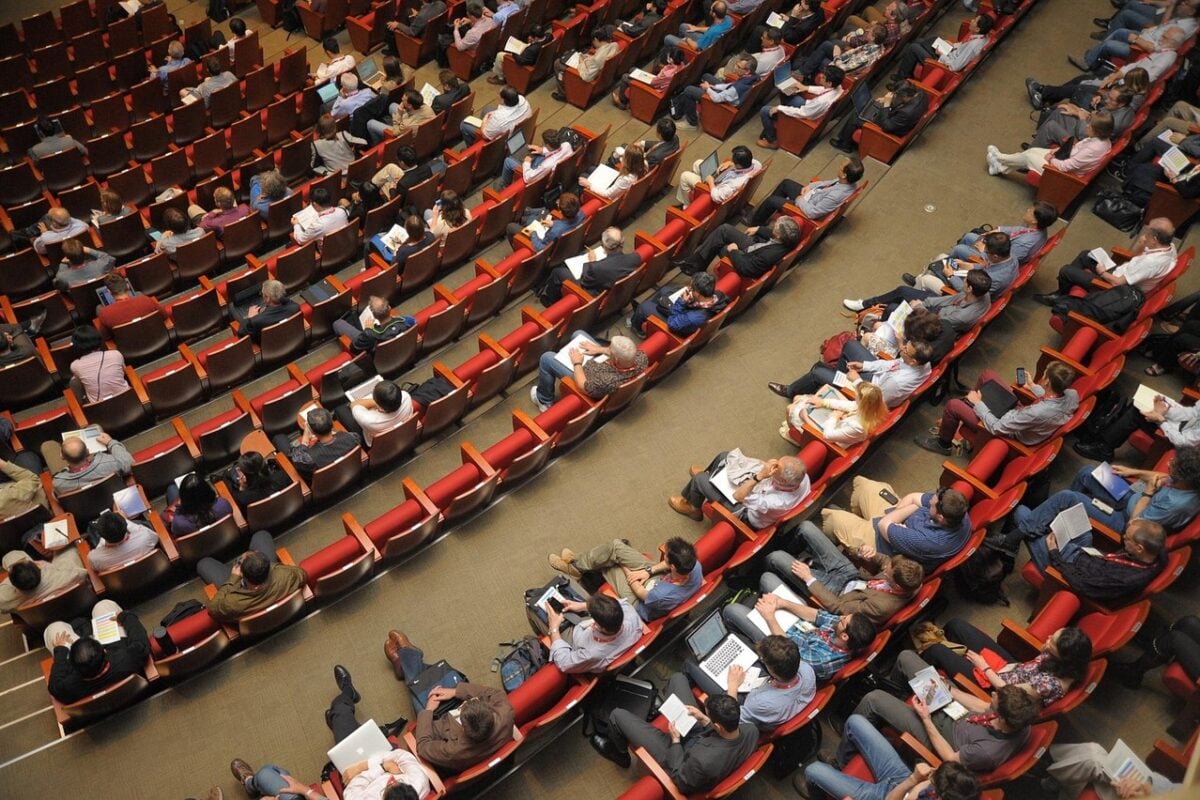
event venue, auditorium, meeting, international conference, forum, conference, listener, audience, public, people, sit, watching, meeting, meeting, conference, conference, conference, conference, conference, audience

Digital Transformation and Smart Hospitals

A major trend which was highlighted, was the rise of digital technology in healthcare estates management. The integration of Internet of Things (IoT), real-time sensor networks, and AI-enabled controls will fundamentally reshape how hospitals monitor, maintain, and optimise critical infrastructure. Hospitals are now deploying smart systems that automate heating, ventilation, air conditioning, lighting, and fire safety responses based on occupancy and risk, strengthening both patient safety and energy efficiency targets. Building Information Modelling (BIM) continues to see widespread adoption, providing a single digital thread from design through facilities management, reducing delays and life-cycle costs by up to 15% on major projects.​


Modular Construction and Flexibility

In recent years, prefabrication and modular solutions have become indispensable tools for NHS Trusts and private healthcare providers who have sort to deliver new capacity at pace and scale. Modular construction now routinely cuts delivery timelines by as much as 30% for new wards or diagnostic suites, supporting national initiatives to tackle the elective care backlog and respond rapidly to emerging patient demands. These approaches are not only faster but also result in reduced material waste and improved build quality.​

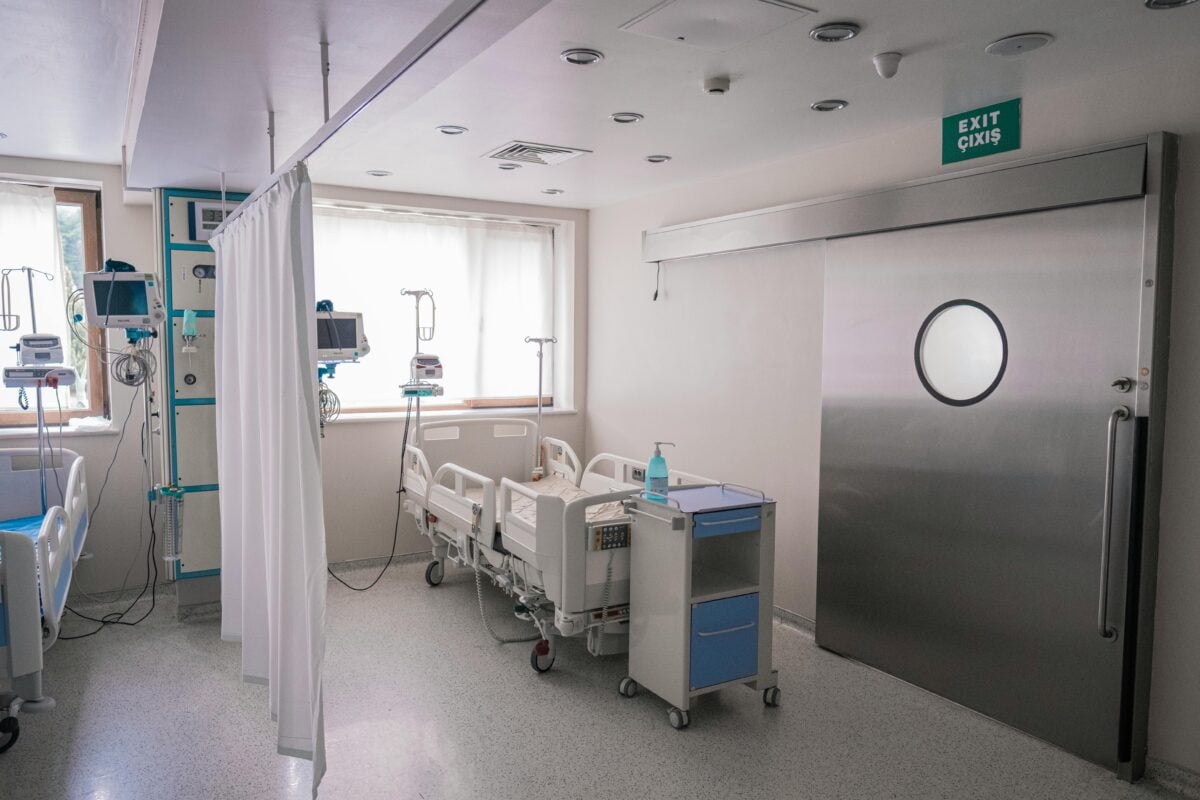
Spacious hospital room in Baku featuring medical beds and equipment.

Tackling Sustainability and Net Zero

Net zero remains a defining goal for NHS estates teams. The 2025 conference showcased recent award-winning projects which implemented decarbonised heating, enhanced building fabric, and intelligent controls, all designed to slash operational carbon and future-proof assets against upcoming regulatory requirements.

Retrofit programmes were also a hot topic, with engineering innovations enabling existing hospitals to transition away from gas, make greater use of site renewables, and dramatically improve air quality for patients, visitors and staff.​


Patient and Staff Centred Design

A significant insight was the sector’s renewed focus on spaces that enhance user wellbeing, retention, and clinical outcomes. Designs are being increasingly tailored to support biophilic principles, staff rest, infection control, and greater accessibility. Engineers and estates teams are working closely with clinicians and patient representatives from the earliest project stages, ensuring that good engineering goes hand-in-hand with compassionate, inclusive design.​

Reflections and Opportunities

IHEEM Healthcare Estates 2025 reflected not only the technical progress of the sector but also its growing appetite for knowledge-sharing and collaboration. Estate and engineering leaders stressed the importance of addressing the lessons learned in recent years by embracing digital skills to develop the workforce, and partnering with others in early design stages to deliver sustainable, safe, and adaptable healthcare spaces for the future.​

As healthcare engineering looks to 2026 and beyond, the convergence of digital transformation, decarbonisation, resilience, and person-centred design points to a new era of proactive, impactful estates management, with building services engineers at the forefront of delivering a fit-for-purpose NHS.


If you would like to learn more about how the Brookbanks team can apply their expert skills and technical knowledge to support your healthcare project, please get in touch with Jack Kenny.

Associate Director, Mechanical and Electrical Engineering Group

Jack Kenny

Read Profile

More News

Stunning view of a towering power line against a vibrant sky, showcasing energy infrastructure in nature.

Podcast Episode #6: Industrial Energy Security

December 4, 2025

In our latest podcast, Grant Vasey, Director for our Mechanical and Electrical Engineering Group, and Mat Capper, Director of Utilities, delves into one of the most pressing challenges facing UK industry today: Industrial Energy Security.

Read More