Skip to content
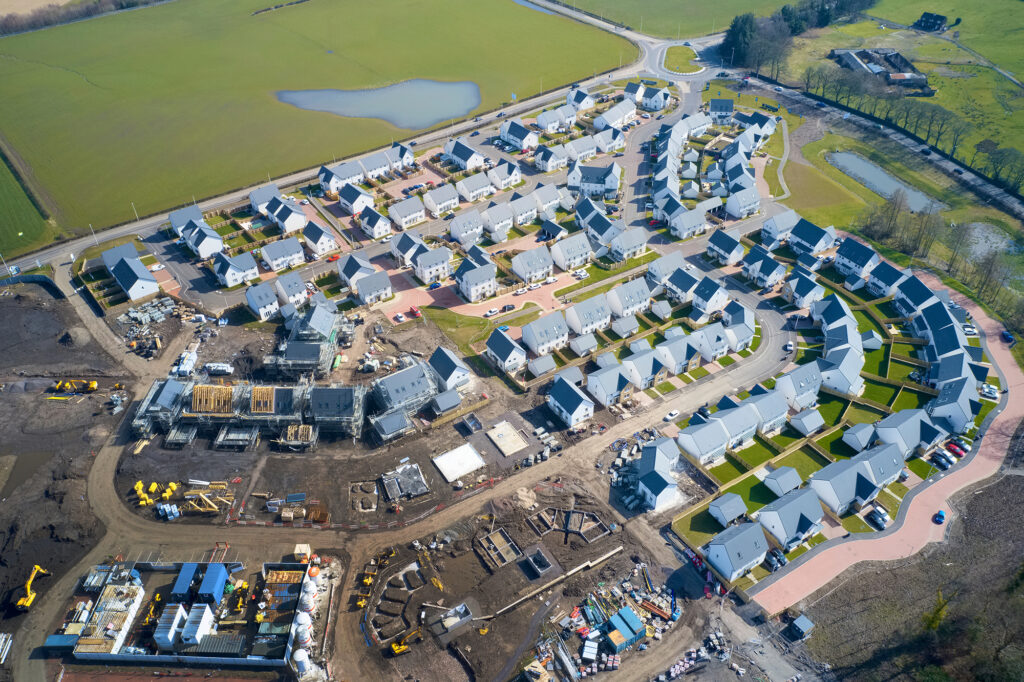
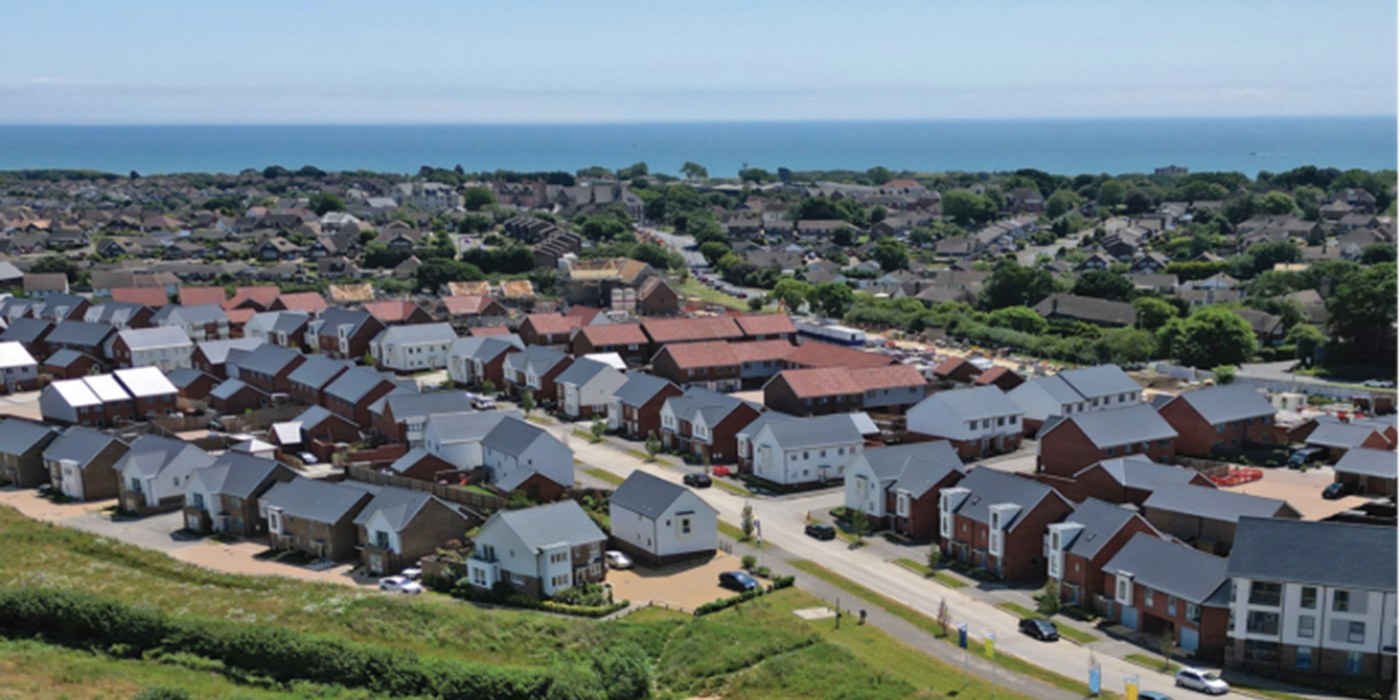
A street of Brookbanks residential houses

Welcome to our February 2026 newsletter. In this issue, we will be sharing what’s been happening over the past month, including our two new podcasts highlighting the common pitfalls around S278 and S38 highway approvals, and what the Planning & Infrastructure Bill means for developers in England and Wales, with special guest Mark Harris from HBF Wales. We’re also looking back on our latest article, which explored how unspent S106 and CIL funds create opportunities to review, challenge and optimise legacy obligations, and why combining planning expertise with commercial insight is key to unlocking value. Plus, we are rounding off by showcasing one of our team's achievements.

Webinar: De-risking Infrastructure Design

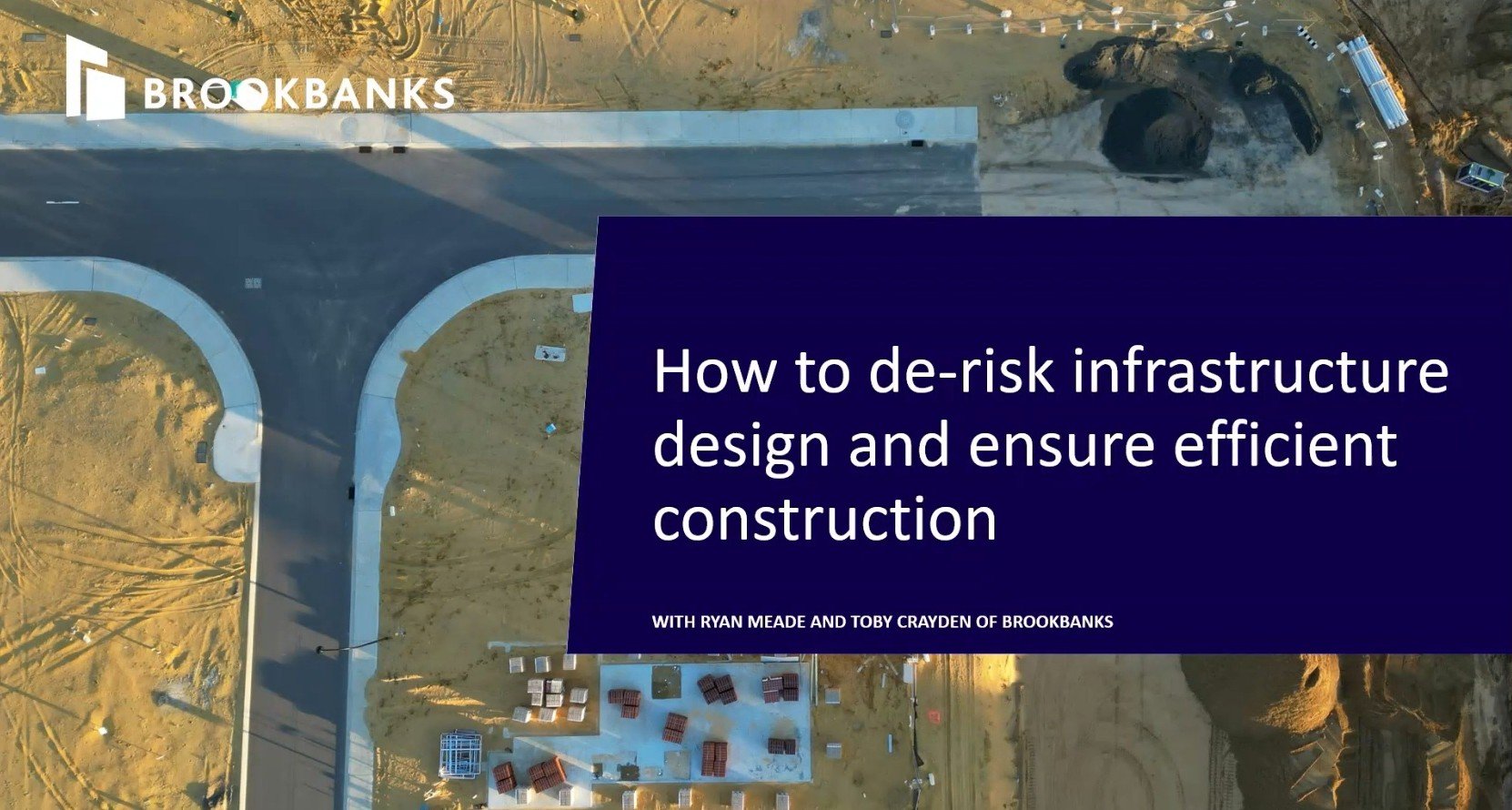
Earlier in the month, during our lunchtime webinar, De‑risking Infrastructure Design, Ryan Meade and Toby Crayden talked through how to close the gap between design and construction to keep projects moving.

They shared practical tips and live‑project insights on:

  • Gap analysis to spot delivery risk early
  • Real site visits and what desktop reviews miss
  • Early stakeholder engagement to cut late friction
  • Contractor support during design, not just at handover
  • Pre‑start drawing reviews that actually reduced rework
  • Sensible, proportionate RFIs that kept decisions flowing

If you missed it, you can watch it back now to see how to make infrastructure designs stand up once construction begins, so projects progress with greater confidence, fewer surprises, and clearer routes to delivery.

Watch back now

Billions Sitting Unspent in Developer Contributions

Two years after the Home Builders Federation (HBF) first raised the alarm, more than £8bn in developer contributions are still sitting unspent with local authorities. For developers, that isn’t just a policy issue, it’s a commercial one.

Triggers that no longer align with real build programmes, duplicated obligations, outdated viability assumptions and overlooked claw-back provisions all mean many S106 agreements are carrying more cost and risk than they should.

In our latest article, Tori Hall and Ben Wakeling explore how unspent S106 and CIL funds create opportunities to review, challenge and optimise legacy obligations, and why combining planning expertise with commercial insight is key to unlocking value.

Read the full article
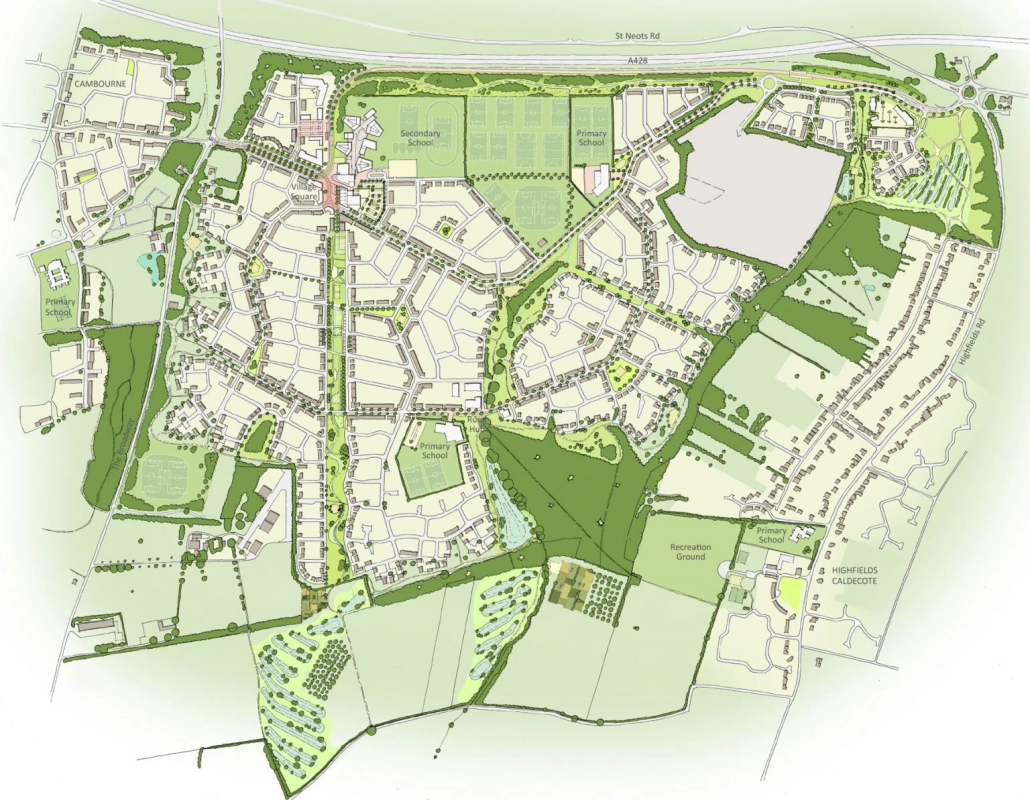
A Brookbanks site plan of the Bourn Airfield development

February Podcasts by Brookbanks

Catch-up on this month’s podcast episodes!

Our first podcast episode of the month featured one of our highways specialists, Mark Baldwin, in conversation with host Ben Wakeling. They broke down the Highways Technical Approval process. Mark explained the common pitfalls around S278 and S38 approvals, why technical compliance is so important, how delays impact programmes and costs, and how developers can help streamline approvals by working proactively with local authorities.

The second episode explored nutrient neutrality with our specialist Dean Swann and special guest Mark Harris from the Home Builders Federation (HBF). They discussed why nutrient neutrality continues to shape planning decisions, how Environmental Delivery Plans could change the landscape, and what the Planning & Infrastructure Bill means for developers in England and Wales. They also share how we assess impacts, reduce nutrient loads, and support stalled schemes.

Watch the episodes back via our YouTube channel to learn more about how you could streamline your technical approval process or how changes to Environmental Delivery Plans could be impacting your future projects.
Brookbanks Achievements

Annabel Le Lohe achieves Associate Membership

We’re pleased to share that Annabel Le Lohé has recently achieved Associate Membership (AISEP) with the Institute of Sustainability and Environmental Professionals (ISEP), a fantastic step that reflects her continued commitment to high‑quality environmental practice.

Our Environmental Impact Assessment specialists support a wide range of major UK developments, including large urban expansion schemes of 1,000+ homes, business parks, and significant physical and social infrastructure projects. Maintaining up‑to‑date knowledge and professional accreditation is an important part of ensuring the advice we provide remains robust, well‑informed and aligned with industry expectations.

Well done to Annabel on this achievement, and to all our specialists who continue to invest in their development alongside busy project workloads. If you’d like to talk more about planning or EIA matters, Annabel is always happy to connect on LinkedIn or via email.

Meet Annabel Le Lohe

Annabel Le Lohe, Associate Director at Brookbanks
Associate Director

Annabel Le Lohé

Read Profile

Let’s Have a Catch-up

Thank you for taking the time to read our newsletter.

We work across the UK and are always happy to connect, either in person or online, to chat about industry challenges, policy updates, or how we can help with a project.

Drop Rachel Appleby, our Group Business Director, an email and she will happily introduce you to any of our team.

Email: rachel.appleby@brookbanks.com


Sign up to our Newsletter to stay up to date

More News

A picturesque sunset over the lush, green countryside of Deganwy, Wales, capturing nature's beauty.

Brookbanks Webinar: Comprehensive Coordination for Environmental Impact Assessments

April 23, 2026

In this webinar we explore how Environmental Impact Assessments (EIAs) can be better coordinated to support clearer, more robust planning decisions. Annabel Le Lohé and Katherine Peers set out how EIAs are intended to function, before focusing on the practical considerations that influence how effective an assessment is in practice, from early briefing decisions through to long‑term delivery. The session was aimed at those working across planning, development and technical disciplines who are involved in preparing, coordinating or contributing to EIAs, particularly on large and complex schemes.

Read More
construction site, crane, construction machinery, construction work house construction, construction site, construction site, construction site, construction site, crane, crane, crane, crane, crane

Making High Rise Developments Deliverable

April 17, 2026

High‑rise developments rarely fail through lack of ambition, but through risks that are identified too late. When planning, infrastructure, fire strategy, servicing and buildability are treated as separate exercises, schemes often look strong in concept but weaken rapidly at delivery, leading to redesign, delays and value erosion. This article explores why early, joined‑up thinking is essential for tall buildings, and how front‑end due diligence and integrated strategy can reduce risk, protect viability and create schemes that are genuinely deliverable.

Read More