
M&E Webinar: Building Safety Act 2022

Brookbanks recently hosted an insightful webinar on the Building Safety Act 2022, shedding light on the evolving landscape of building safety regulations in England. The session, led by Associate Director Jack Kenny, covered the Act’s implications, industry challenges, and Brookbanks’ proactive approach to compliance.
Introduction to the Building Safety Act 2022
The Act was introduced to enhance safety standards across both high-risk and non-high-risk buildings. It establishes the Building Safety Regulator and mandates the “Golden Thread” of safety information throughout a building’s lifecycle. Originating from the Hackett Review post-Grenfell, the Act emphasizes accountability and competency across all project stages.
New Duty Holders and Their Responsibilities
The legislation defines new duty holders:
- Client
- Principal Designer (BRPD)
- Principal Contactor (BRPC)
- Designers
- Contractors
Each role carries specific obligations, from verifying competencies to ensuring regulatory compliance. Collaboration and adherence to Building Regulations are central to successful project delivery.

Challenges Faced by Clients and Projects
Clients often lack awareness of new roles and the Gateway process, particularly Gateway 2. The Act demands earlier detailed design submissions and digital record-keeping. Extended liability periods (up to 30 years) and stricter HRB classifications add complexity and risk, requiring enhanced training and documentation.
Government Response
The UK government has launched the Remediation Acceleration Plan, aiming to remediate 80% of unsafe buildings by July 2026. The Building Safety Levy, expected in Autumn 2025, will fund these efforts. Investments in training, fast-track approvals, and regulatory reforms support the goal of delivering 1.5 million safe homes.
Industry Response
The construction sector is adapting with new roles like Building Safety Managers and licensing regimes for HRB projects. Larger firms are leading the way, while smaller firms seek guidance. Professional bodies such as CIOB are providing resources to navigate increased liability and regulatory demands.
Brookbanks’ Approach
Brookbanks is embracing the legislation by:
– Supporting internal training and compliance.
– Assisting clients with Golden Thread documentation.
– Offering Technical Advisory and Quality Monitoring during RIBA Stages 4–6.
– Helping clients mitigate risks and future limitation claims.
Case Study Highlight: Brent Cross
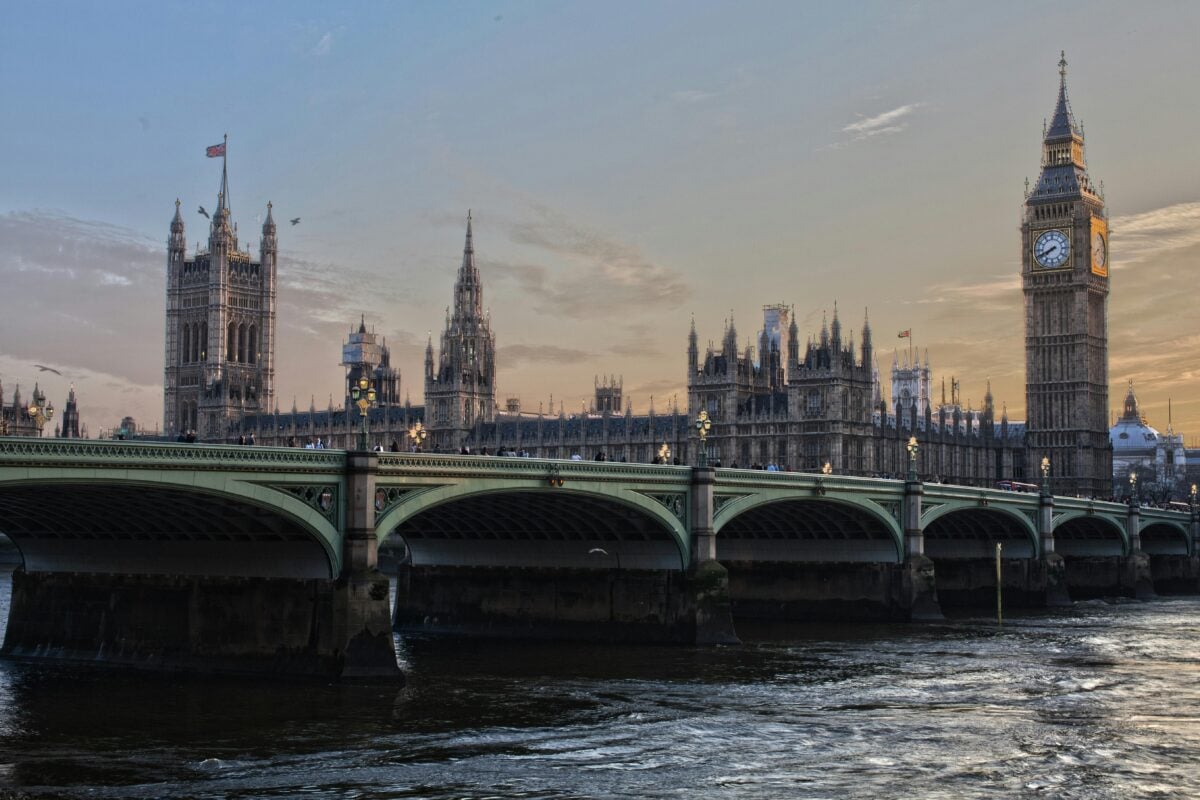
The Brent Cross project exemplifies Brookbanks’ implementation of the Building Safety Act, showcasing our commitment to safety and regulatory excellence
Conclusion
The webinar emphasized the importance of early collaboration, competency, and proactive compliance. Brookbanks continues to lead by example, empowering clients and professionals to navigate the Building Safety Act with confidence.
If you missed the webinar it is linked below:

Meet Jack Kenny...

Associate Director, Mechanical and Electrical Engineering Group
Jack Kenny
Read ProfileCheck out our M&E services....
Decarbonisation and Net Zero Carbon
Energy Modelling
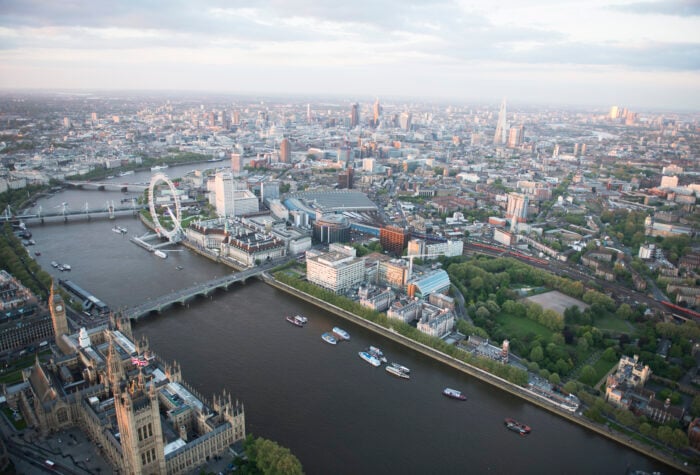
Our approach focuses on advanced energy modelling and integrated design to meet regulatory standards and deliver zero-carbon solutions. This results in hig...
View More

External Lighting
Lighting the Way to Safer, Smarter Developments:
As planning regulations tighten and expectations rise, delivering external lighting that balances safety...
View More

Listed Buildings
The use of passive design solutions and careful integration of modern M&E services within listed buildings.
View More

Mechanical and Electrical Engineering Group
Our Mechanical and Electrical Engineering Group has a renowned team of award-winning, energy-centric building services specialists.
We are a creative te...
View More
Overheating
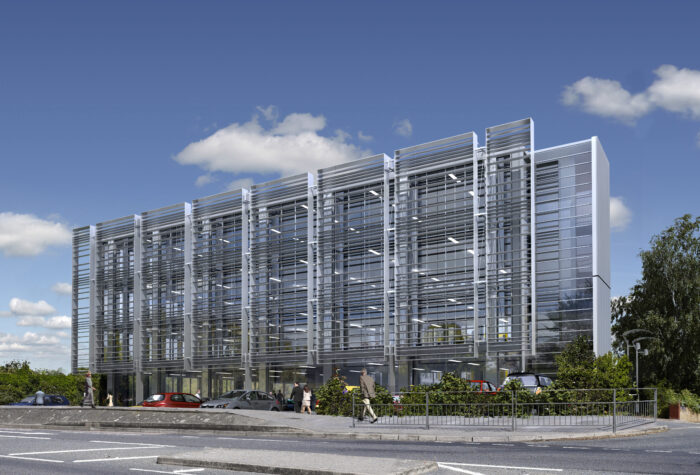
Overheating modelling to pass Part O compliance (TM59) for domestic properties, and industry recommendations (TM52) for non-domestic thermal comfort.
View More
More News
Brookbanks Webinar: Your First Home
October 9, 2026
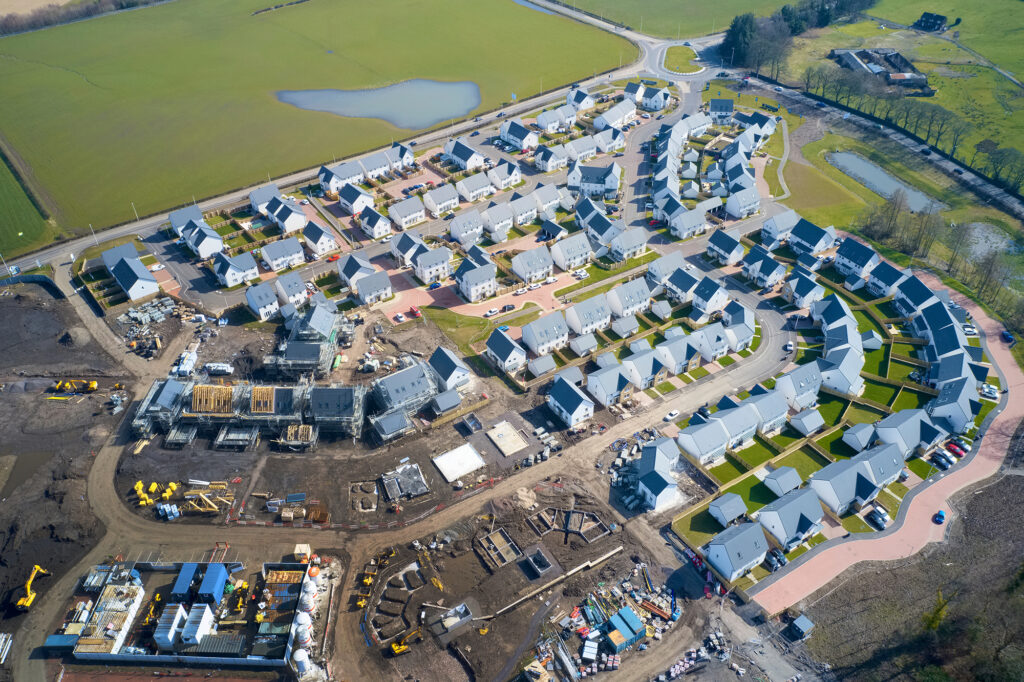
In this webinar, we explore the Government's newly announced Your First Home scheme and what it could mean for first-time buyers, housebuilders, developers and the wider residential market. Using market evidence, industry data and lessons from the previous Help to Buy programme, Richard Moorcroft and Tori Hall explain how the scheme could influence housing delivery and where the key challenges remain.

Building Safety Reviews: Turning Technical Findings into Clear Decisions
October 8, 2026
Identifying a building safety concern is only the first step. The more important question is whether the proposed response is proportionate to the risk. The Building Safety Act (BSA) was introduced in response to the Grenfell Tower tragedy, creating a new regime for managing risk in higher-risk residential buildings. Responsibility for compliance sits with the Principal Accountable Person and Accountable Persons, who must demonstrate that building safety risks are being identified, assessed and managed effectively.

Brookbanks Webinar: Balancing Acoustics and Sustainability in Healthcare Design
September 30, 2026
In this webinar we explore where the two disciplines of acoustics and sustainability intersect in the healthcare sector. Using practical examples, Tom Quaife-Jones and Katie Glaze explain how early co ordination can improve improve performance, protect patient wellbeing and keep projects moving.