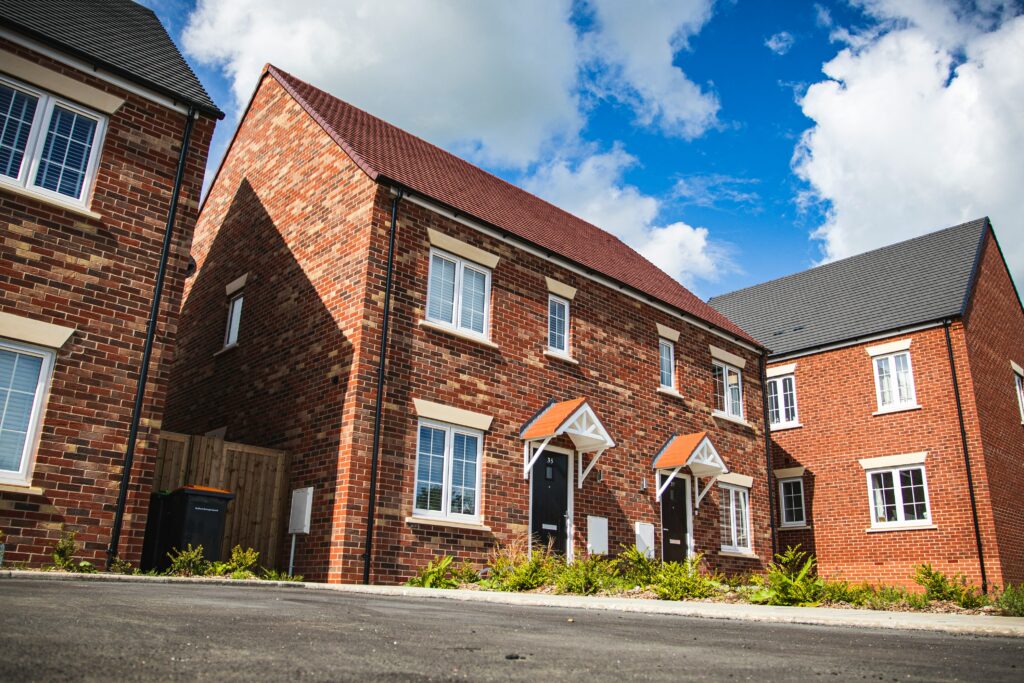
Brookbanks Podcast #19: Life Cycle & Upfront Costs

As the long-term sustainability and operational efficiency of developments come under greater scrutiny, the balance between initial capital outlay and long-term expenditure is playing an increasingly important role in successful project delivery. In our latest podcast, “Life Cycle & Upfront Costs,” Ben Wakeling is joined by Gerrad Mukuyu to explore how these two critical aspects of project budgeting interact in practice. The discussion focuses on why evaluating a project's financial footprint over its entire lifespan rather than just its construction phase can improve scheme viability, reduce risk, and ultimately create more sustainable, cost-effective assets.
Why Capital Cost and Life Cycle Costing Go Hand in Hand
Initial capital costs and long-term operational expenses are inextricably linked. Decisions made during the early procurement and design phases regarding materials, systems, and construction methods directly influence future expenditure, while long-term maintenance constraints can, in turn, shape how a development is initially financed and arranged.
From selecting building fabric and energy systems to planning infrastructure, every site faces a trade-off between upfront affordability and future liabilities.
This podcast highlights the importance of viewing these financial factors together, rather than in isolation, to ensure a balanced, deliverable, and commercially viable outcome over a typical 60-year lifespan.
Navigating the Financial Trade-Offs
For developers and project leads, mitigating upfront expenditure while safeguarding future operational margins is a key challenge.
Gerrad and Ben discuss how different procurement strategies impact the long-term financial health of a project, exploring two main pathways:
-
High Initial Investment, Low Lifespan Costs: Investing in higher-quality, durable materials or highly efficient systems upfront. While this requires more capital initially, it typically results in lower running and maintenance costs over the asset’s lifecycle.
-
Low Initial Investment, High Lifespan Costs: Opting for lower-cost alternatives during the construction phase to preserve initial capital. However, this path often incurs significantly higher ongoing expenses due to energy consumption, frequent maintenance, and accelerated replacement cycles.
By embedding life cycle costing (LCC) considerations into the design at an early stage, developers can make informed compromises that protect both immediate budgets and long-term yields.

Managing Future Operational and Maintenance Liabilities
Just as initial material choices dictate the upfront price tag, they also generate ongoing, cyclical impacts on the asset’s operational budget.
Future-proofing a development requires a strategic look at how expenses evolve over time. The podcast explores several key areas where long-term costs accumulate:
-
Energy Consumption: Choosing less efficient systems may save capital initially but leads to compounded energy costs over decades.
-
Maintenance and Repair Cycles: Lower-grade assets require more frequent servicing and upkeep to remain functional and compliant.
-
Replacement Cycles: Certain assets have “chunky,” high-cost replacement cycles that occur every few years. When combined with the natural inflation of costs over time, these periodic capital expenditures can heavily impact future cash flows if not planned for.

The Value of Early Financial Coordination
A central theme of the discussion is the benefit of engaging cost consultants and life cycle specialists at the earliest stages of a project.
Early collaboration allows potential long-term financial risks to be identified and modeled before design choices become locked in. This proactive approach can:
-
Reduce the need for expensive retrofitting or redesigns later in the process.
-
Improve planning and funding outcomes by demonstrating long-term asset viability.
-
Avoid unexpected, heavy financial spikes during the operational phase.
-
Deliver meaningful, compounded cost savings over the building’s lifecycle.
By aligning upfront budgets with long-term operational strategies from the outset, developers can achieve more efficient, coordinated, and sustainable schemes.
Ultimately, the conversation reinforces a simple but important point: successful development is about more than hitting day-one budget targets. It’s about creating assets that remain financially viable, function optimally, and deliver value for decades to come.

Listen to the Podcast
Listen to “Life Cycle & Upfront Costs” on our YouTube channel to hear the full discussion and gain practical insight into how integrated financial thinking can support better development outcomes.

Head of Cost and Commercial
Ben Wakeling
Read Profile
Senior Cost Consultant
Gerrad Mukuyu
Read ProfileMore News

Our July 2026 Newsletter
August 17, 2026
This month, we’ve continued to explore many of the key themes currently influencing the built environment, from sustainable drainage and climate resilience through to structural efficiency, site disposal and long-term project performance. A particular highlight from the past month was the publication of our new report, written in conjunction with the Home Builders Federation (HBF), examining Sustainable Drainage Systems and the opportunities we’ve identified in Wales to support greater consistency, certainty and efficiency ahead of guidance becoming legislation across England. This month, we also shared some exciting leadership news as we continue to grow and evolve following our recent partnership with CBPE. Plus, read on to take a look back at our latest thought leadership article covering development viability, as well as three podcast episodes from the past few weeks.