Skip to content
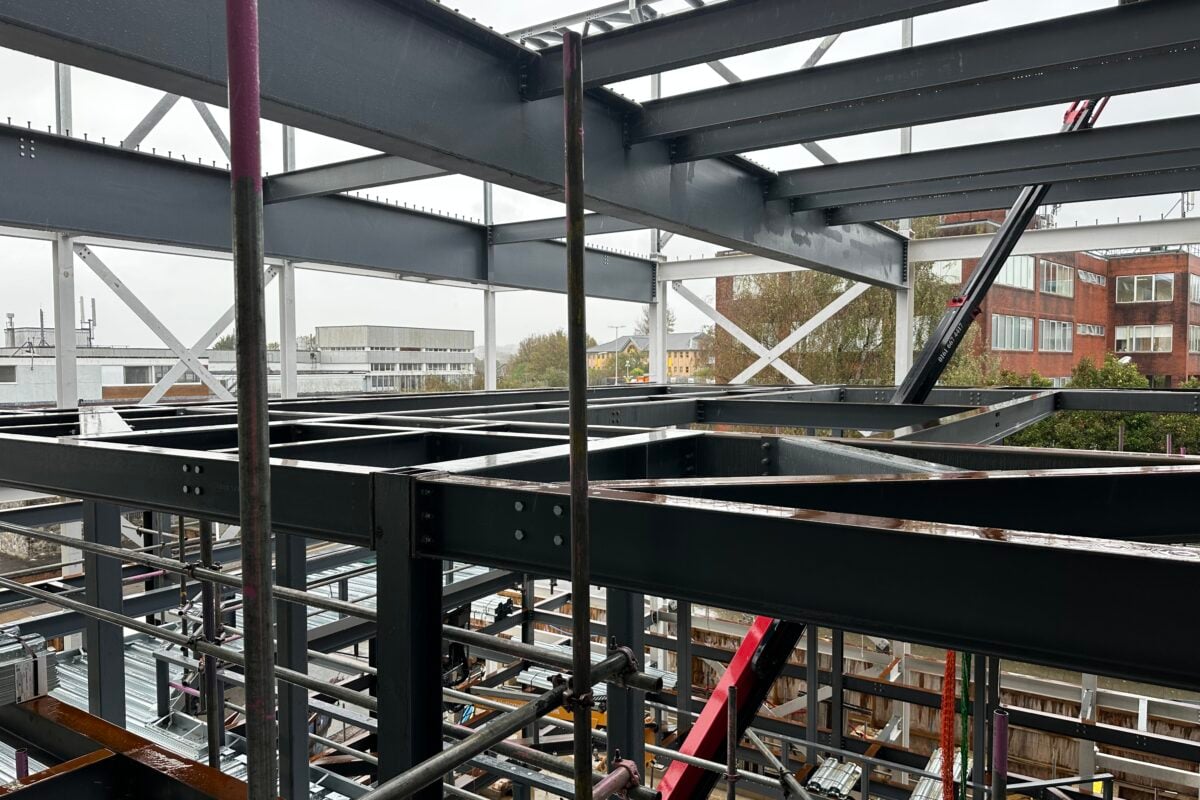
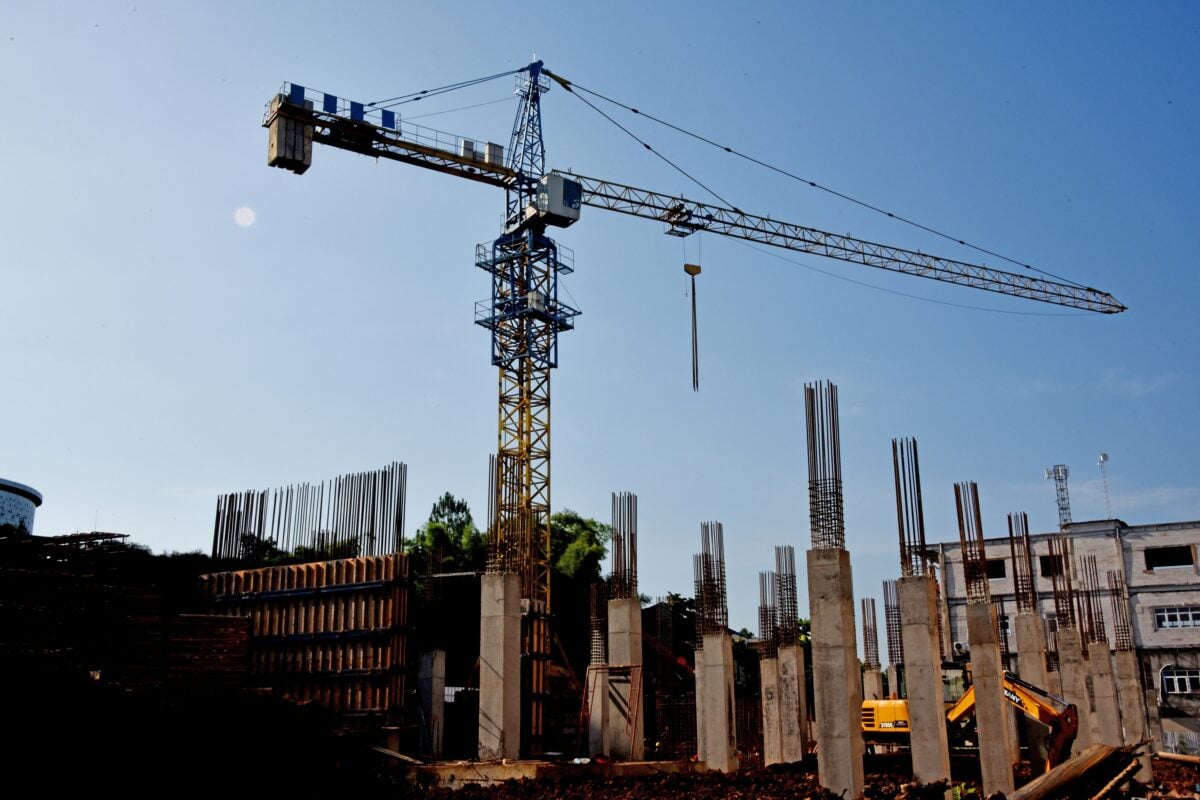
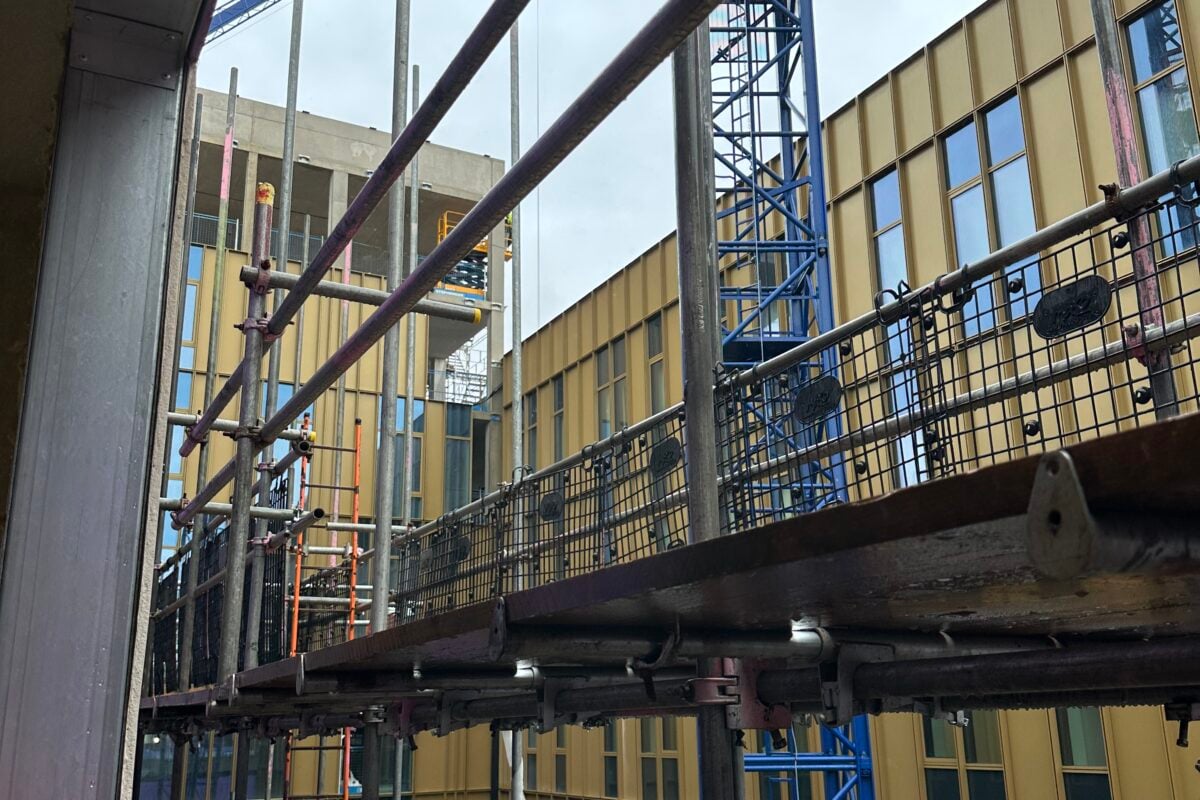
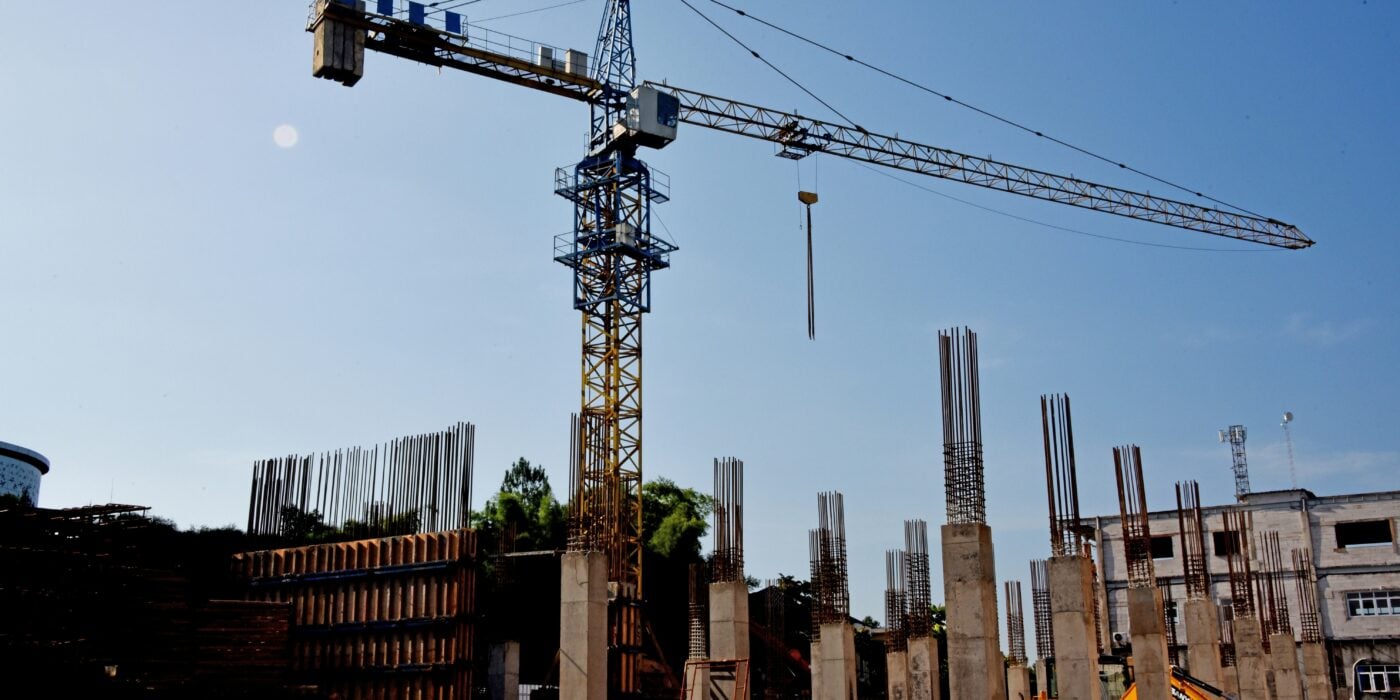
A Brookbanks construction site.

Explore how structural and building services design overlap across RIBA stages, why coordination matters, and how our integrated approach improves building engineering outcomes.

In this episode of the Brookbanks podcast, Lee Bowers and Lucy Wildesmith sit down to explore one of the most consistent challenges in building engineering: how structural design and building services design come together to create buildings that actually work in practice.
Their conversation offers an insight into the interfaces that shape every project, the nuances of coordinating across the RIBA stages, and the real‑world decisions that influence project delivery and success.
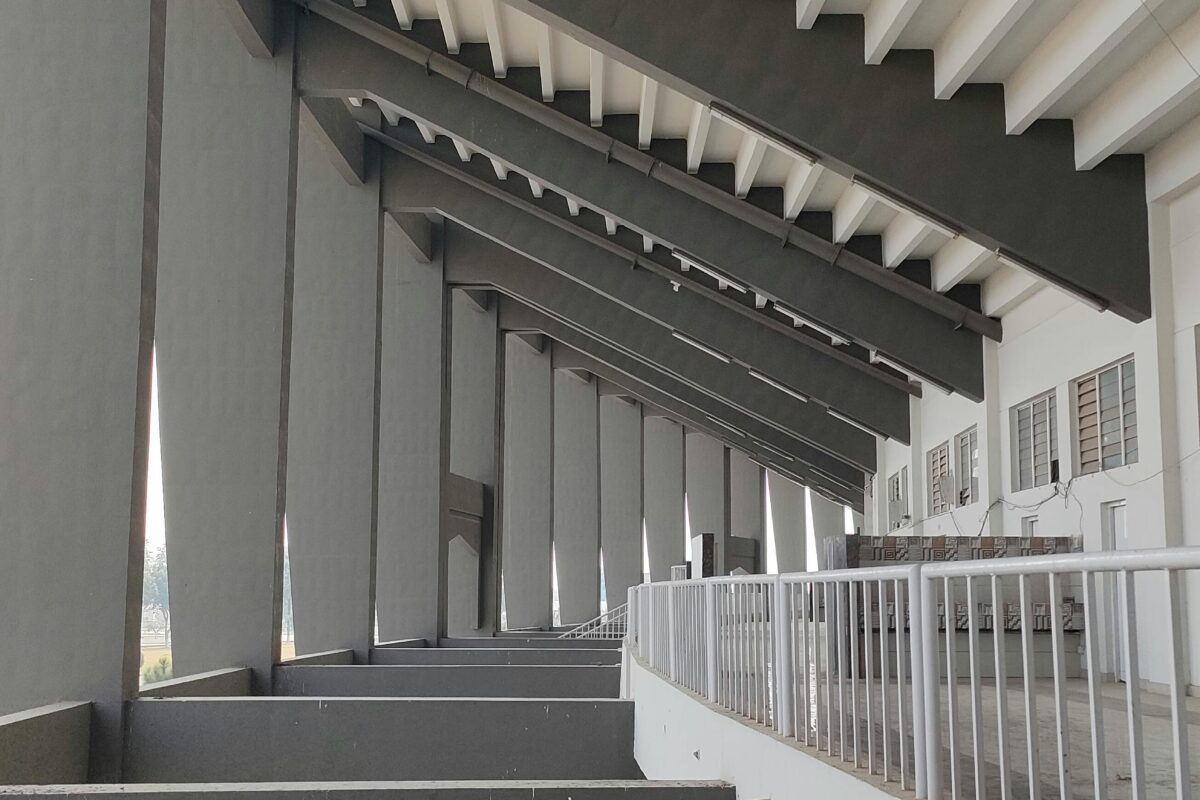
Concrete architecture with a geometric design featuring beams and angles, showcasing modern industrial style.

Understanding the Overlaps Between Structures and Building Services

Early in the episode, Lee and Lucy discuss the recurring points where their disciplines naturally crossover. Service penetrations, equipment loads, slab openings, BWIC considerations and the routing of mechanical and electrical systems all sit at the heart of the coordination challenge. They chat through how these elements influence each other and how small decisions, particularly around space and structural integrity, can have much bigger time and cost implications if they’re handled too late.

It’s clear that the relationship between structures and building services can’t be linear, it has to be a continuous dialogue between the two. Each discipline has its own priorities, constraints and design drivers, and meaningful coordination relies on understanding how these overlap rather than assuming they can be stitched together at the end.
When Should Coordination Begin? A Realistic Look Through the RIBA Stages

Timing is a key theme in this episode. “As early as possible” is of course the ideal for all designers, but Lee and Lucy explain why it is rarely that simple. During the early RIBA stages, many aspects of a building change, equipment may not have been chosen, structural zones may alter, and service distribution strategies may still be forming.

Instead of forcing certainty where it doesn’t exist, they outline a more practical approach: establishing which decisions must be fixed early to avoid disruption later on, while keeping other parts flexible for when the design develops. This helps maintain momentum while preventing premature commitments that could cause costly rework later on.

Their discussion highlights the value of setting realistic expectations, sequencing key decisions appropriately and having check-ins as designs develop.

A Brookbanks construction site.

How We Keep Designs Aligned as One Brookbanks Team

A key strength that comes through in this episode is the benefit of working as one team. With expertise spanning Engineering & Design, Planning, Environmental Services, Project Delivery & Management, Cost & Commercial Guidance and our broader Development Partner services, we approach building engineering in a joined‑up, practical way.

Lee and Lucy talk about how this collaborative environment helps shape better outcomes. By involving the right specialists at the right time, we are able to anticipate challenges earlier, prevent design conflicts and create engineering plans that stand up to the realities of construction. This coordinated approach reduces uncertainty for clients and contractors alike, supporting more confident and predictable delivery, that leads to success.

Catch Up Now!

This episode is ideal for anyone involved in building design, development or project delivery who wants a clearer understanding of how structural and building services design interact, and why thoughtful coordination across the RIBA stages is so important.

Watch the full episode now: Brookbanks Podcast Episode #12: How Coordination Shapes Building Success

Stay tuned for more episodes as we continue exploring the big issues shaping planning and infrastructure in 2026 and beyond.

Team members on the podcast

Lee Bowers, Structural Director at Brookbanks
Structural Director

Lee Bowers

Read Profile
Lucy Wildesmith an Mechanical and Electrical Engineering Director at Brookbanks
Director, Mechanical and Electrical Engineering Group

Lucy Wildesmith

Read Profile

More News

Brookbanks project at pre-build stage with diggers preparing the ground.

Why Foundation Strategy is a key for Infrastructure Delivery

April 3, 2026

Ground conditions remain one of the biggest sources of cost, carbon and programme risk in infrastructure delivery, yet foundation strategy is still too often considered too late. When layouts and levels are fixed before the ground is understood, projects lose the chance to shape efficient, predictable outcomes. This article explores why early, ground‑led design matters and how treating foundation strategy as a front‑end decision can unlock clarity, reduce risk and improve overall project performance.

Read More
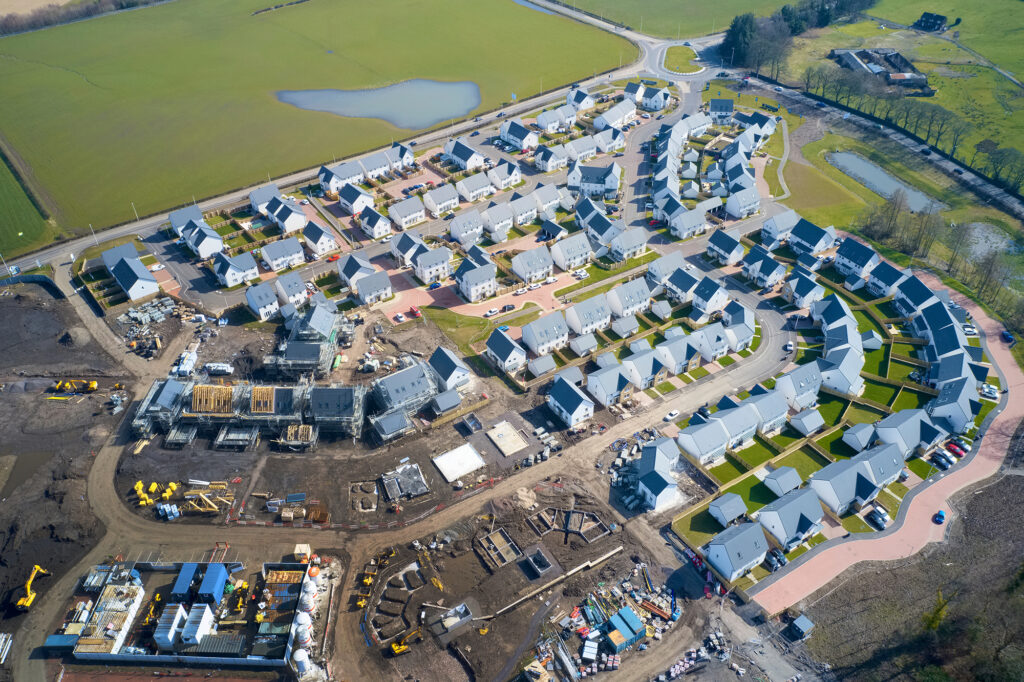
An aerial view of houses surrounding a road featuring a roundabout

Our March 2026 Newsletter

March 31, 2026

Welcome to our March 2026 newsletter. In this issue, we’ll tell you more about how we help SMEs prioritise what matters, avoid the common financial traps, and get projects moving, backed by our experienced team who have real housebuilding experience. We’re looking back on our March webinar, where Jack Kenny and Paul Rushmer gave an overview of how to optimise mechanical and electrical designs specifically for high-risk buildings. Plus, we’ll highlight this month’s podcasts! The first explored where structural engineering and building services design overlap, and why good coordination is so important to project delivery. In episode two, Hannah Simpson, Fran Walker, and Isabelle Latuszka spoke about their early-career experiences and how diverse backgrounds add real value to projects. Below, you’ll also get to hear about some exciting awards news and an event we’re co-hosting with the LPDF in Manchester.

Read More