



Skip to content
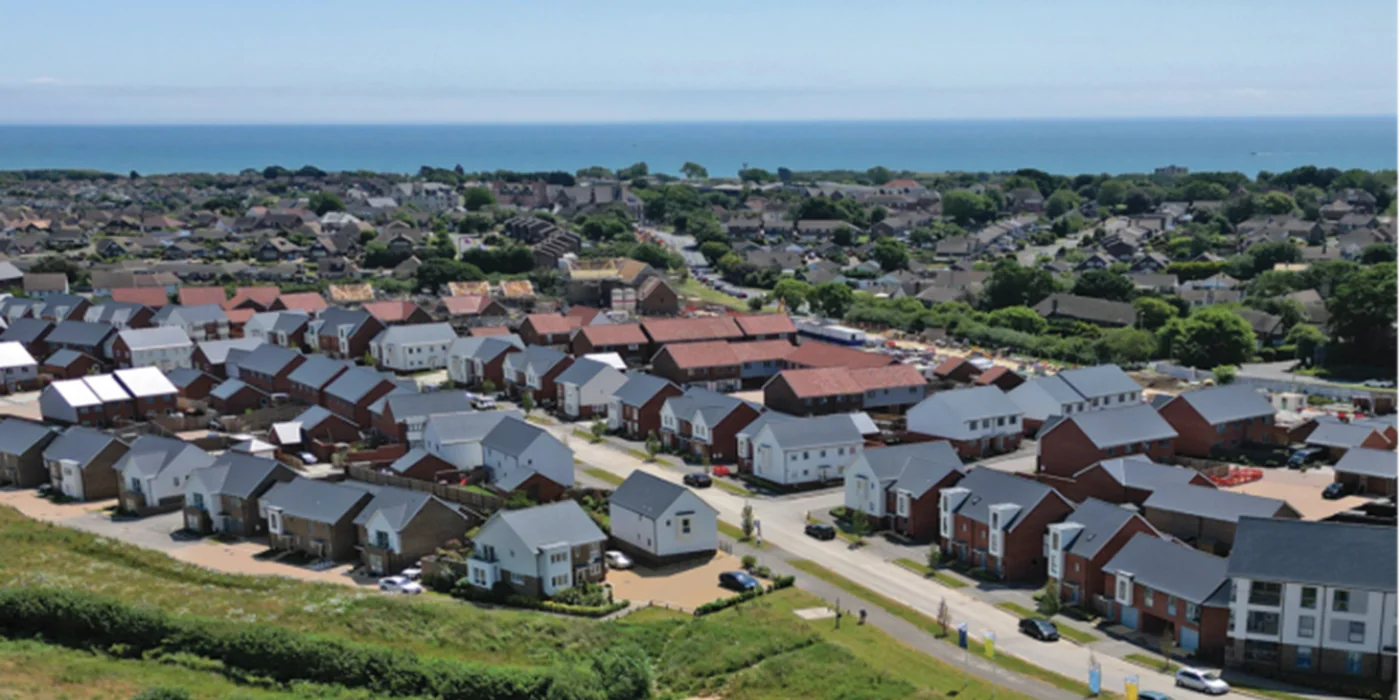
A street of Brookbanks residential houses

Explore how decades of UK housing policy, supply constraints, planning and affordability pressures created today’s housing crisis, and what lessons the past offers for future delivery.

In this episode of the Brookbanks Podcast, our Head of Cost & Commercial, Ben Wakeling, is joined by Paul Smith, Managing Director at The Strategic Land Group, to explore why we should be building homes at scale, how political and economic shifts have changed the country’s housing trajectory, and why today’s challenges are rooted in both historical decisions and modern pressures.

The discussion covers how decades of policy decisions, economic cycles and demographic changes have shaped the UK’s housing landscape, and why today’s issues cannot be understood without looking at the long-term relationship between supply, affordability and planning.

Is the Crisis Rooted in Supply Shortage?

Ben and Paul start the podcast by describing the scale of the UK housing crisis issue. Affordability has become increasingly stretched, with median house prices now around eight times median incomes, far exceeding what typical lending allows. But they note that this isn’t as simple as a pricing problem. Rising numbers of families are living in temporary accommodation, many fall into the category of concealed households, and delayed homeownership. All of these factors strongly suggest a deeper systemic shortage of homes.
The UK now builds far fewer homes per capita than many comparable countries, particularly across Europe, and falling rates of vacant homes offers further evidence to support that the market has remained persistently tight.


Why Today’s Delivery Falls Short

While the government’s ambition of 1.5 million homes this Parliament sets a target of approximately 300,000 per year, actual output remains below 200,000 a year. Paul explains that even if reforms are implemented today, the lag between policy change and completed homes, means delivery improvements take three to five years to materialise.
They discuss how housing delivery must be judged not on short-term numbers but on whether the system is shifting onto a more sustainable, long-term trajectory.

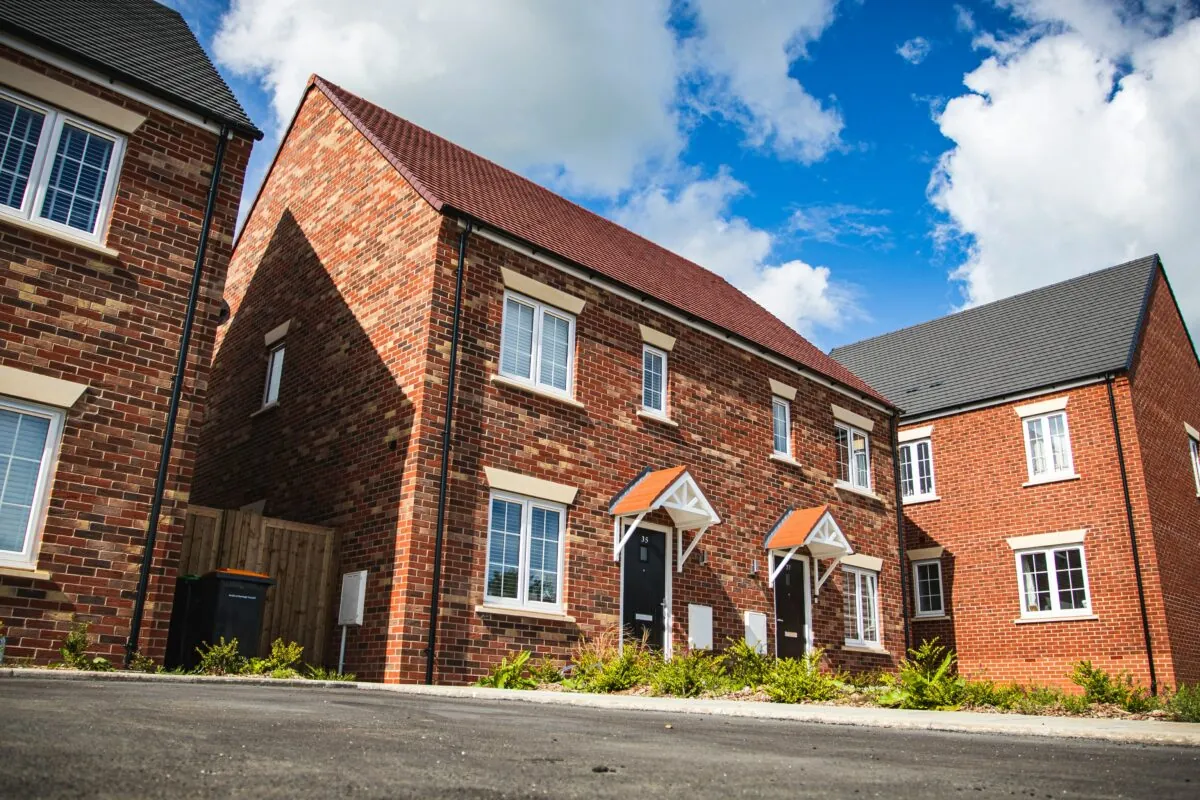
Two pale cream coloured dethatched houses, with grey roofs. Built by SME developers in the UK under the guidance of Brookbanks.

The Planning System’s Central Role

A key theme of this episode is the role of planning in shaping wider housing supply. Ben and Paul discuss evidence that suggests England’s planning constraints have significantly reduced housing availability and contributed to price growth. Whilst the solution is of course not to remove planning entirely, both highlight how slow, complex processes and limited land allocation restrict delivery.
They reflect on how long it takes to secure outline permission, clear conditions and begin construction, and why this makes planning reform essential to address the crisis, before they moved on to explore international examples where policy changes have increased supply without undermining quality or value.

Cities such as Austin in Texas and countries like New Zealand, demonstrate how modest but widespread zoning reforms can make a meaningful difference especially in urban areas. The discussion also touches on Croydon’s experience in the UK, where enabling more small-site redevelopment sparked a rise in delivery.

These examples underline that planning reform does not need to be extreme, but it must be consistent, predictable and work towards long-term goals.

Understanding Land, Development and Common Misconceptions

Moving on, Paul challenges the long-standing claim that housebuilders are “land banking,” referencing multiple investigations that found no evidence of systemic behaviour. Instead, the real constraint is land that is suitable for gaining permission. Local plans, under-allocation and overly narrow settlement boundaries all shape how much land is genuinely available for development, further adding to the challenge of housing delivery.
They discuss why private developers were never designed to replace the scale of public delivery that existed in the post-war decades, and why expecting them to do so misrepresents both the risk and market dynamics.

Looking Forward: What Needs to Change

The episode concludes by considering what the future might require: long-term planning certainty, modest densification, more flexible settlement boundaries and an approach that allows places to grow gradually rather than relying solely on infrequent large-scale allocations.
Ben and Paul frame these changes not as quick fixes, but as essential steps in building long-term resilience into the housing system.

Catch Up Now!

If you work in planning, policy, or housing development, or just want to understand why the system feels so stuck, this episode provides industry insights, socio-political context, and practical examples from housing markets around the world.

Watch the full episode now: Brookbanks Podcast Episode #14: The housing crisis, how did we get here?

Stay up to date with industry news and topics by subscribing to our YouTube channel.

Team members on the podcast

Ben Wakeling, Head of Cost and Commercial at Brookbanks
Head of Cost and Commercial

Ben Wakeling

Read Profile

More News

An aerial view of houses surrounding a road featuring a roundabout

Our March 2026 Newsletter

March 31, 2026

Welcome to our March 2026 newsletter. In this issue, we’ll tell you more about how we help SMEs prioritise what matters, avoid the common financial traps, and get projects moving, backed by our experienced team who have real housebuilding experience. We’re looking back on our March webinar, where Jack Kenny and Paul Rushmer gave an overview of how to optimise mechanical and electrical designs specifically for high-risk buildings. Plus, we’ll highlight this month’s podcasts! The first explored where structural engineering and building services design overlap, and why good coordination is so important to project delivery. In episode two, Hannah Simpson, Fran Walker, and Isabelle Latuszka spoke about their early-career experiences and how diverse backgrounds add real value to projects. Below, you’ll also get to hear about some exciting awards news and an event we’re co-hosting with the LPDF in Manchester.

Read More
Two pale cream coloured dethatched houses, with grey roofs. Built by SME developers in the UK under the guidance of Brookbanks.

The Real Challenges Facing SME Housebuilders

March 3, 2026

The UK’s housing delivery challenge is well-documented. Yet amid the national conversation about planning reform, infrastructure, and build-out rates, one group consistently punches above its weight: Small and Medium-Sized Enterprise (SME) housebuilders. SMEs are a vital part of the solution, but they face very real and persistent development hurdles.

Read More