
Podcast Episode #16: Material Matters, Cut and Fill
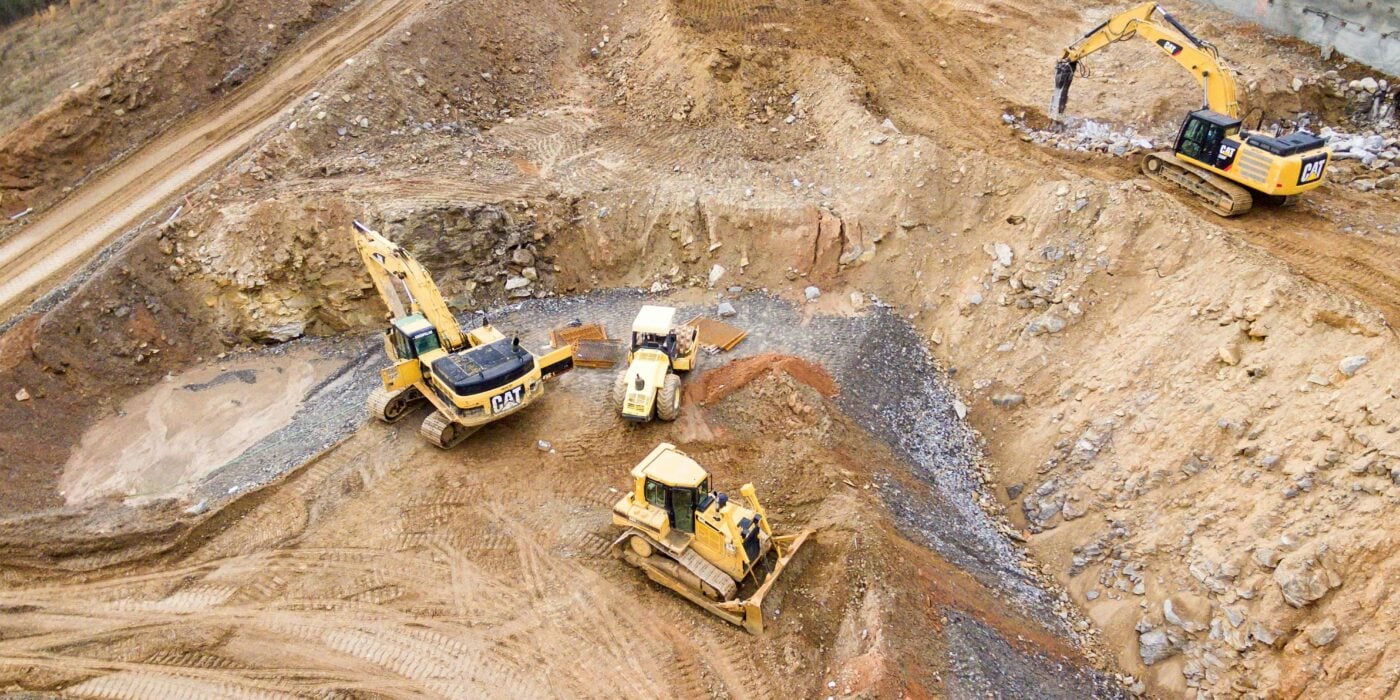
Explore how early cut and fill strategy, sequencing and on‑site material management shape cost, programme and environmental outcomes on development projects.
Cut and fill is often considered as a necessary early stage activity rather than a decision that can shape the success of a project. In reality, the way material is planned, sequenced and managed can have a lasting influence on cost certainty, programme delivery and environmental performance.
In this episode of the Brookbanks Podcast, Ben Wakeling is joined by Toby Crayden, Civil Engineering Technical Director at Brookbanks, to explore why cut and fill deserves more attention earlier in the development process and how informed material decisions can reduce risk once works are underway.
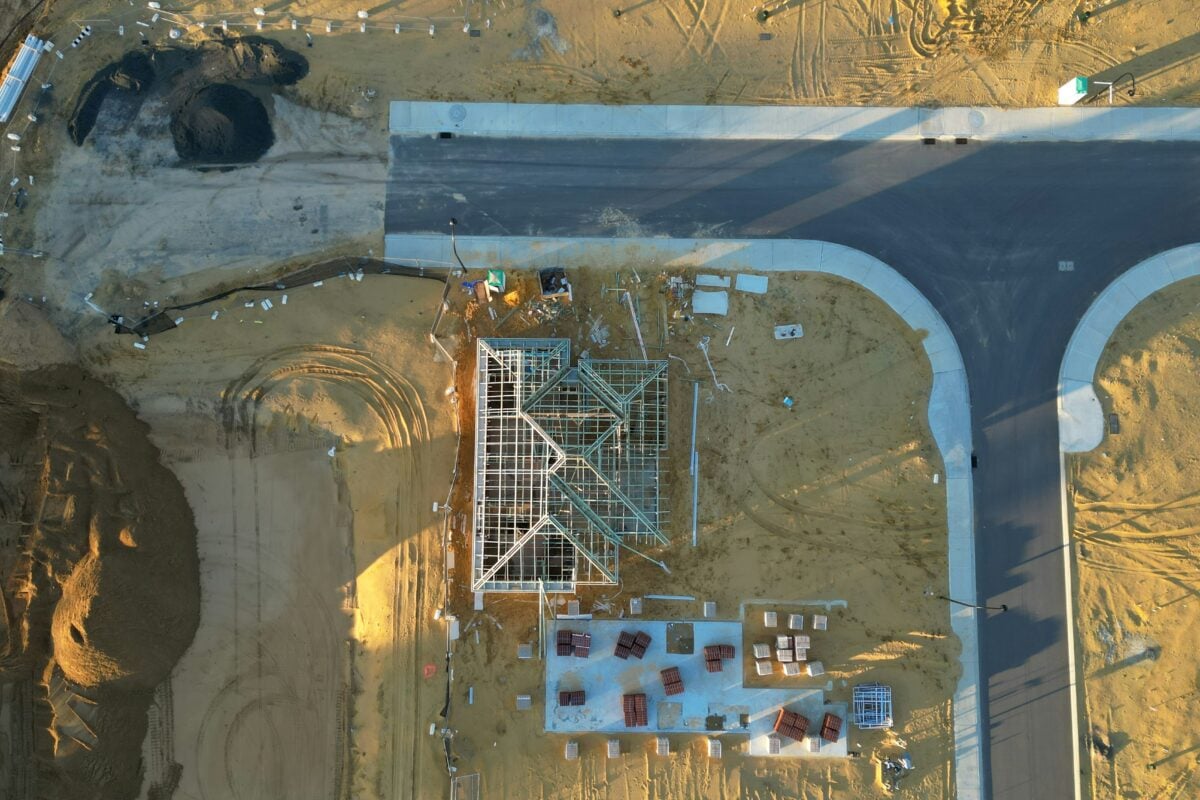
When should cut and fill be thought about?
A key theme of this episode is the importance of addressing cut and fill early in the design stages rather than allowing it to be determined once works on site has begun.
Toby explains that decisions made at the design stage around site levels, drainage strategy and access, often dictate whether material can realistically be reused within a site. When cut and fill is considered too late, opportunities to balance earthworks are lost and projects become more reliant on exporting material or importing additional fill.
The episode highlights that early engagement with cut and fill is not about optimisation alone but about avoiding constraint. When earthworks strategy is understood early it allows designers and developers to make more informed choices across the scheme.
What often gets missed?
One of the most common issues highlighted is sequencing. Even where a site appears balanced from a volume perspective problems can arise if excavation and placement are not carefully aligned. Material can be excavated before suitable areas are ready to receive it or before space has been allocated for storage. When this happens the result is often double handling unnecessary export or deterioration of material quality.
The conversation makes clear that sequencing is shaped long before works start on site. Early phasing decisions layout design and construction logic all influence whether material reuse is achievable in practice.
Material matters
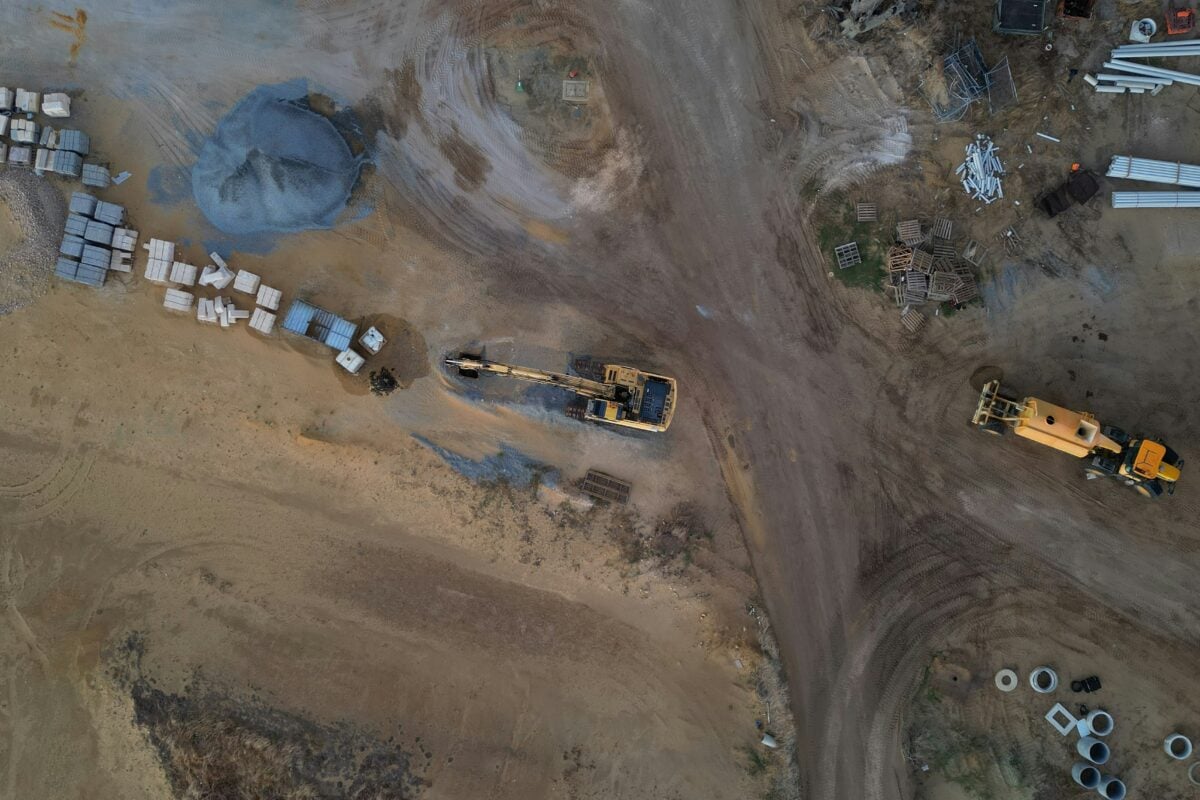
Once construction begins effective material management becomes critical. Ben and Toby discuss the importance of protecting material through apropiate sealing and binding so it remains suitable for use later in the programme. Where material is not properly managed it can quickly become unusable due to property changes, which drives waste volumes and cost up.
Clear planning around storage locations, access routes and protection measures allows excavated material to be treated as a resource rather than a problem to be removed.
Reusing topsoil and subsoil within a site
Toby and Ben also explore how excavated material can be reused across a development when thought of as part of the wider design strategy.
Topsoil is often required for landscaping and external works subsoil can support level changes but ensuring it has been treated correctly is critical. Identifying opportunities early on for this material to be treated and coordinated as part of the design programme makes delivery far easier and reduces associated cost risks.

When export can be avoided
There will always be circumstances where export is unavoidable whether due to ground conditions contamination or site constraints.
In these cases the discussion focuses on mitigation. Understanding likely export volumes early allows logistics to be planned more efficiently reduces risk to programme and avoids last minute decisions that drive up cost. Reducing unnecessary export also delivers environmental benefits by limiting vehicle movements and associated emissions.
Why early material decisions matter
Across the episode the message is consistent. Cut and fill is not just an earthworks exercise but a strategic decision with far reaching implications.
As projects face increasing cost pressure and greater environmental scrutiny, early material strategy plays a growing role in reducing risk and protecting viability. Treating cut and fill as an integrated part of early design rather than a construction issue can deliver tangible benefits across delivery.
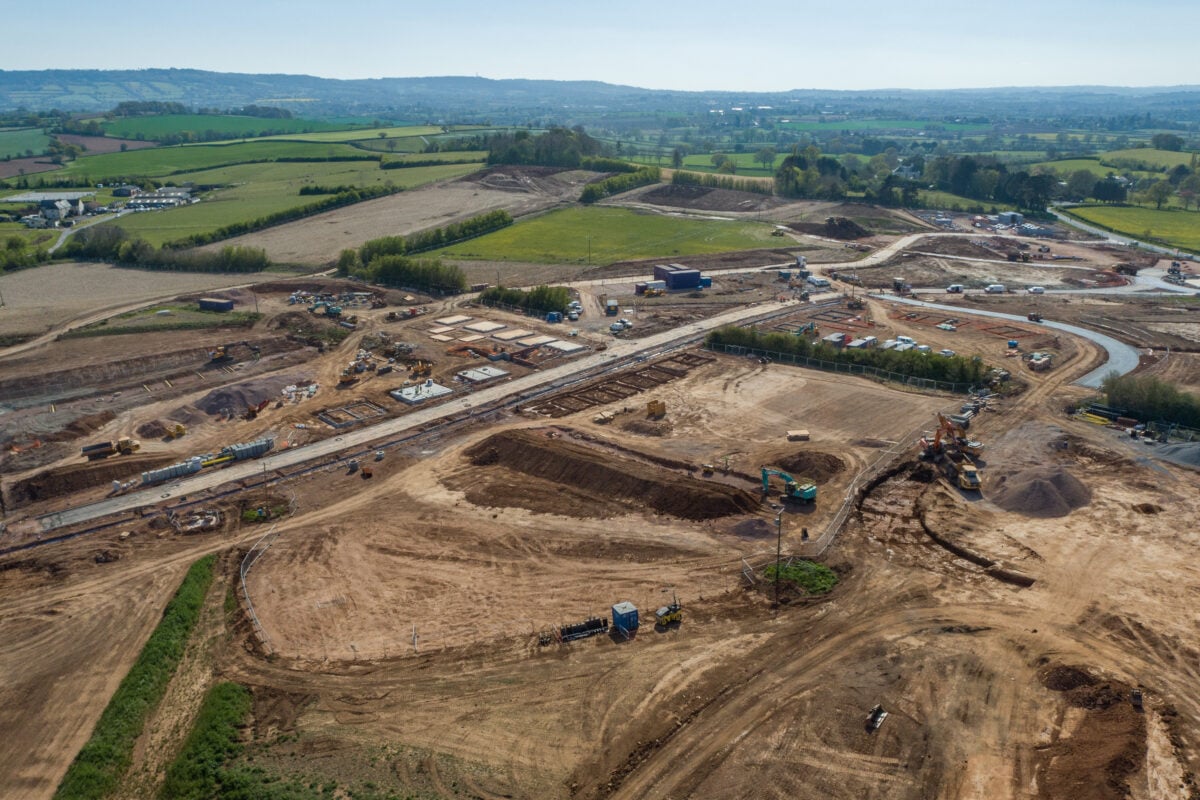
Catch Up Now!
Whether you are planning a new development or already progressing a scheme on site, this episode explores why cut and fill deserves early attention and how material decisions can influence cost programme and environmental outcomes.
Watch the full episode now: Brookbanks Podcast Episode #16: Material Matters, Cut and Fill
Stay up to date with industry news and topics by subscribing to our YouTube channel.
Team members on the podcast

Head of Cost and Commercial
Ben Wakeling
Read Profile
Civils Technical Director
Toby Crayden
Read ProfileMore News

Our July 2026 Newsletter
August 17, 2026
This month, we’ve continued to explore many of the key themes currently influencing the built environment, from sustainable drainage and climate resilience through to structural efficiency, site disposal and long-term project performance. A particular highlight from the past month was the publication of our new report, written in conjunction with the Home Builders Federation (HBF), examining Sustainable Drainage Systems and the opportunities we’ve identified in Wales to support greater consistency, certainty and efficiency ahead of guidance becoming legislation across England. This month, we also shared some exciting leadership news as we continue to grow and evolve following our recent partnership with CBPE. Plus, read on to take a look back at our latest thought leadership article covering development viability, as well as three podcast episodes from the past few weeks.