
Podcast Episode #2 – Post Contract Administration
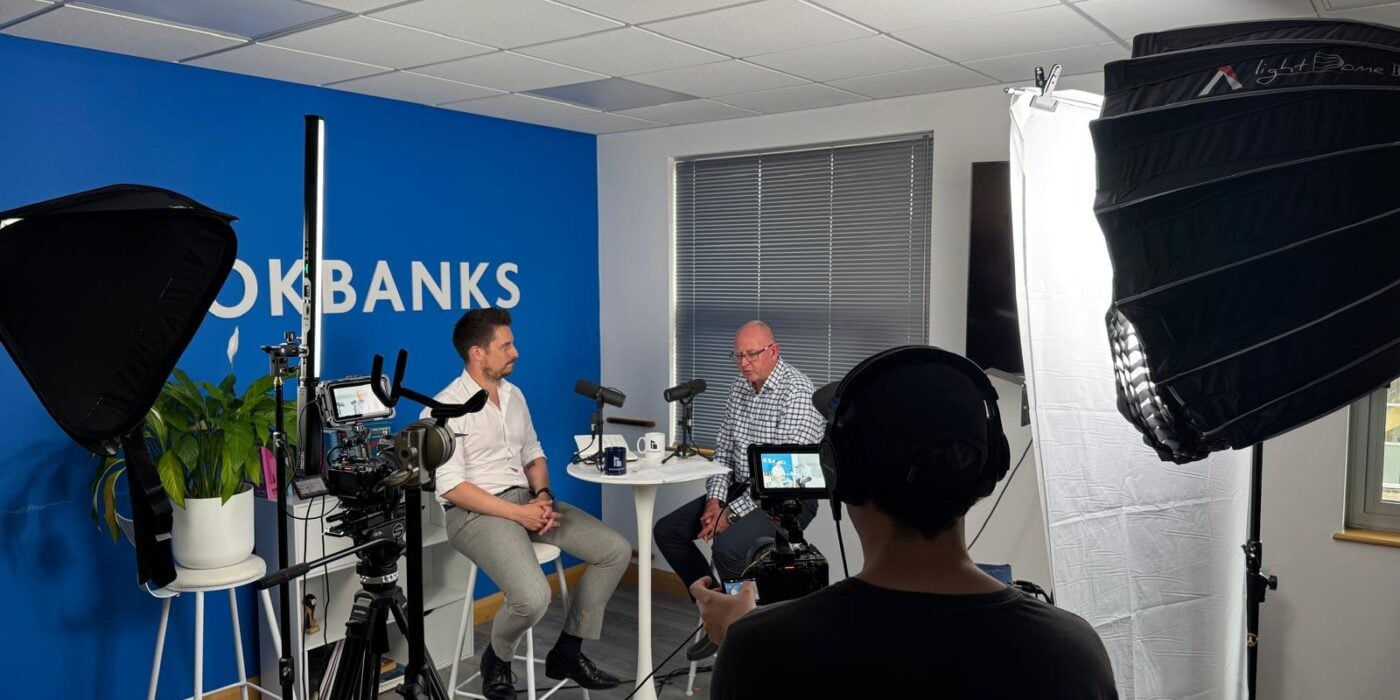
Ben Wakeling, Commercial Director, sits down with Mark Miller, Senior Associate Commercial Director, to unpack the importance of post-contract administration and share insights from their experience.
In the world of construction and infrastructure delivery, the signing of a contract is often seen as a major milestone. But in reality, it’s just the beginning. What follows is a critical phase known as post-contract administration-a process that ensures the contract is executed as intended and the project stays on track.
What Is Post-Contract Administration?
Post-contract administration refers to the management and oversight of a contract after it has been awarded and signed. It involves:
- Monitoring performance
- Managing changes
- Resolving disputes
- Ensuring obligations are met
As Mark puts it, “It’s about making sure what everyone signed up to from day one is being delivered-on time, on budget, and to the expected quality.”
Key Responsibilities
The post-contract administration team plays a pivotal role in ensuring smooth project delivery. Their responsibilities include:
- Monitoring Contract Performance
- Managing Changes
- Dispute Resolution
- Maintaining Records
- Ensuring Compliance
- Facilitating Communication
- Financial Management

Managing Change Effectively
Change is inevitable in any project. Whether it’s a design tweak or a scope adjustment, the key is to manage it without losing sight of the original contract.
You’re going to get design changes, scope changes-clients have the best intentions, but no one has a crystal ball,” . “It’s about managing the design team, tracking value changes, and issuing clear instructions.
Often, the design team is brought into play to address queries-most of which are design-related. These queries are reviewed from a cost and commercial perspective to ensure they don’t significantly deviate from the original scope. Once assessed, responses are returned to the contractor to keep the project moving.
90% of the work goes in before a spade hits the ground. If you start a job with only part of the information, things can go wrong quickly and that’s when the role of the post-contract administrator becomes crucial.”
Noting that early-stage tenders often lack full technical approval. “You always know there will be changes throughout the project lifecycle. The key is to track them, stay on top of them, and deliver.
Tips for Success in Post-Contract Administration
For those new to the field, Mark shares some practical advice:
- Communicate Early and Often
- Build Trust with Contractors
- Track Progress Religiously
- Keep Detailed Records
- Stay Proactive
- Understand the Contract, But Don’t Rely Solely on It

Want to Learn More?
To explore more about post-contract administration and the wider cost and commercial services offered by Brookbanks, check out the page links below. You’ll find detailed insights into our approach and how we support successful project delivery.
Meet Ben and Mark...

Head of Cost and Commercial
Ben Wakeling
Read Profile
Senior Associate Director, Cost and Commercial Group
Mark Miller
Read ProfileCheck out our Cost and Commercial Services...
Contract Administration

Cost & Commercial Group
Infrastructure/Abnormal/Site-Wide Cost Planning. We have vast experience in structuring, maintaining and managing budgets of hundreds of million pounds, en...
View More
Cost Planning
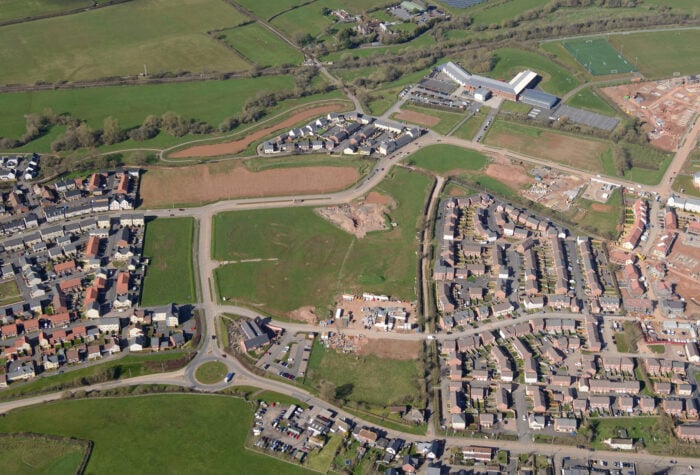
Being able to accurately estimate abnormal build costs and mitigate risk is crucial to the success of any development.
View More

Expert Witness
If you find yourself in a Commercial Cost Dispute, you might need to call upon the services of an Expert Witness.
View More

Procurement
We understand that engaging with the right contractors gives your project the best chance of success.
View More
More News

Brookbanks Webinar: Your First Home
October 9, 2026
In this webinar, we explore the Government's newly announced Your First Home scheme and what it could mean for first-time buyers, housebuilders, developers and the wider residential market. Using market evidence, industry data and lessons from the previous Help to Buy programme, Richard Moorcroft and Tori Hall explain how the scheme could influence housing delivery and where the key challenges remain.

Building Safety Reviews: Turning Technical Findings into Clear Decisions
October 8, 2026
Identifying a building safety concern is only the first step. The more important question is whether the proposed response is proportionate to the risk. The Building Safety Act (BSA) was introduced in response to the Grenfell Tower tragedy, creating a new regime for managing risk in higher-risk residential buildings. Responsibility for compliance sits with the Principal Accountable Person and Accountable Persons, who must demonstrate that building safety risks are being identified, assessed and managed effectively.

Brookbanks Webinar: Balancing Acoustics and Sustainability in Healthcare Design
September 30, 2026
In this webinar we explore where the two disciplines of acoustics and sustainability intersect in the healthcare sector. Using practical examples, Tom Quaife-Jones and Katie Glaze explain how early co ordination can improve improve performance, protect patient wellbeing and keep projects moving.