The Role of Structural Engineers in the Climate Emergency Webinar

As the climate emergency intensifies, the role of structural engineers is evolving rapidly. No longer confined to ensuring buildings stand strong, today’s engineers are being called upon to help shape a low-carbon, sustainable future.
In a recent webinar by Jack Barrow and Jacob James, the profession’s response to climate change was explored in depth, highlighting both the challenges and the transformative opportunities ahead.
Engineers Responding to the Climate Emergency
Presented by Jack Barrow (Project Structural Engineer) and Jacob James (Senior Structural Engineer), this session sets the stage for how structural engineers can take meaningful action in the face of the climate crisis. The discussion is framed around three core themes:
- Key Commitments & Institutional Response – How professional bodies like IStructE are driving climate action.
- What Structural Engineers Are Being Asked to Do – Practical steps and responsibilities for engineers.
- Challenges & Considerations – Navigating the complexities of sustainability, safety, and industry transformation.

Climate Emergency Task Group (CETG)
Established: October 2019
Formed to coordinate IStructE’s response to the climate emergency.
Purpose & Role:
- Embed climate-emergency actions across all IStructE activities.
- Engage with members, committees, and external bodies.
- Promote low-carbon, sustainable, and regenerative design practices.
Key Actions & Outputs:
- Developed Embodied Carbon Calculation Guidance & Structural Carbon Tool.
- Published Circular Economy & Reuse Guidance and The Regenerative Structural Engineer.
- Drives sustainability into membership standards, CPD, and policy influence (e.g. Part Z).
- Publishes annual progress reports to track industry change.
Impact:
- Embedding sustainability as a core duty of structural engineers.
- Supporting the profession to design for net-zero and circular economy goals.
Treating Sustainability Alongside Safety
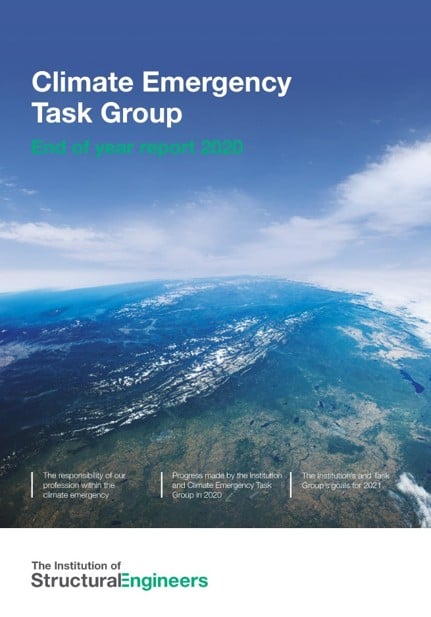
IStructE has redefined the role of structural engineers in the context of climate change, asserting that sustainability and climate action must be treated with the same importance as structural safety. This marks a significant shift in the profession’s ethical and practical priorities. Given that structural engineers influence approximately 10% of global carbon emissions through their design and material choices, they hold a unique position in driving the transition to net-zero and resilient, low-carbon infrastructure. As a result, sustainability is now embedded in professional standards, codes, education, and assessments, encouraging engineers to consider carbon impact, durability, and resource efficiency alongside traditional safety and serviceability criteria.

Institutional Publications and Guidance
To support climate action in structural engineering, IStructE has developed a comprehensive Climate Emergency Package consisting of five volumes of guidance and thought-leadership. These include Design for Zero, which outlines principles for achieving net-zero structures; Circular Economy & Reuse: Guidance for Designers, offering strategies for material reuse and circularity; The Regenerative Structural Engineer, which promotes ecosystem-enhancing design; The Future of Structural Design, envisioning sustainable approaches for the next generation; and How to Calculate Embodied Carbon (3rd Edition), providing practical tools for carbon quantification. Additionally, Will Arnold’s video resource, “The Institution’s Response to the Climate Emergency,” further articulates IStructE’s vision and actions toward a sustainable future.
How Structural Engineer Can Act?
- Get Informed & Accept Responsibility:
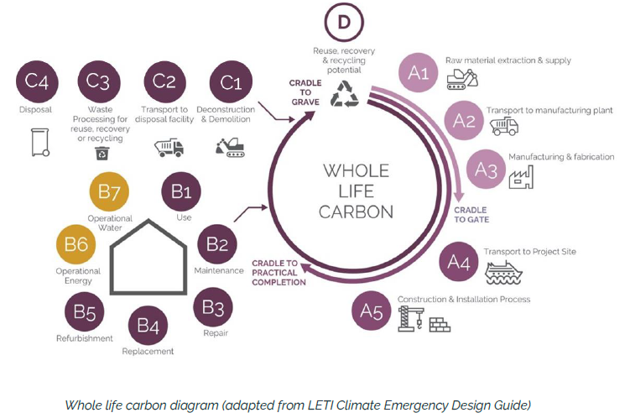
- Understand the science of climate change and systems impacts (embodied carbon, life cycle, etc.).
- Recognise the professional duty to act on climate change.
- Stay current with IStructE guidance, tools, and resources — e.g. Climate Jargon Buster.
- Minimise Carbon (Especially Embodied Carbon)
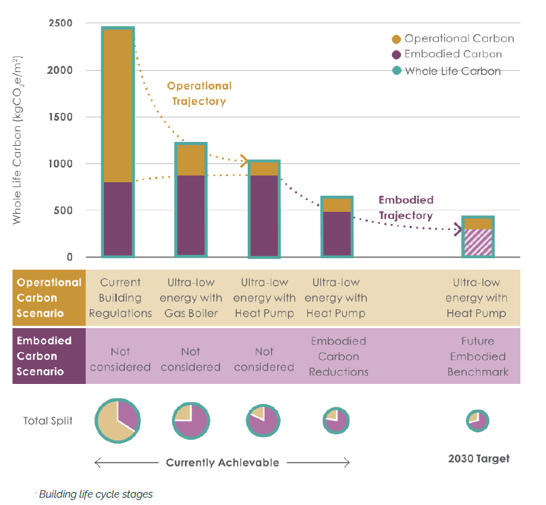
- Treat carbon as a core design criterion alongside safety, cost, and aesthetics.
- Measure and reduce embodied carbon using IStructE’s guidance and Structural Carbon Tool.
- Optimise material efficiency, use recycled and low-carbon materials and select lean structural systems.
- Design for Reuse, Circularity & Reduced Waste
- Reuse existing structures where possible; strengthen instead of demolish.
- Design for disassembly and material recovery.
- Guided by Circular Economy & Reuse: Guidance for Designers.
4. Influence the Brief, Project Team & Clients
- Shape project briefs to include carbon, resource, and biodiversity performance targets.
- Communicate clearly and advocate for low-carbon, minimal-intervention solutions supported by evidence.
- Innovation, Tools & Training
- Use of IStructE tools such as the Structural Carbon Tool to estimate and reduce embodied carbon.
- Regular training, webinars, and climate emergency conferences to upskill engineers.
- Promotes a culture of continuous learning and innovation in sustainable design.
- Set Goals, Track Progress, Collaborate & Lobby
- Commit to measurable targets — e.g. net zero carbon, progress tracking, and transparent reporting.
- Collaborate with architects, clients, contractors, and policy-makers for systemic change.
- Encourage firms to “declare” climate emergency pledges and publicly commit to action.
7. Broader Issues Beyond Carbon
Address wider sustainability themes:
- Biodiversity and ecosystem protection
- Resource efficiency and circular use
- Social equity and community wellbeing
- Resilience to climate impacts
Challenges
Structural engineers face several challenges in integrating sustainability into their work. One major concern is balancing low-carbon or lean design with safety and regulatory compliance. While it’s essential to reduce environmental impact, these efforts must never compromise structural integrity or violate building codes. Additionally, the cost implications of using sustainable materials or adopting reuse and retrofit strategies can be significant, requiring careful financial planning and client engagement.
Another challenge lies in the uncertainty of measurement and policy. Embodied carbon metrics and benchmarks are still evolving, and current regulations often lag behind best practices. Moreover, some materials lack robust or verified carbon data, making accurate assessments difficult.
Finally, the scale of change needed across the industry presents a capacity issue. Many engineering firms are small or resource-limited, which can hinder widespread adoption of sustainable practices. Achieving meaningful transformation will require stronger policy support, cross-sector collaboration, and increased demand from clients for climate-conscious design.
Meet Jack and Jacob

Project Structural Engineer
Jack Barrow
Read Profile
Senior Structural Engineer
Jacob James
Read ProfileCheck Out the Structures Services
Structural Engineering Group
More News
Why Foundation Strategy is a key for Infrastructure Delivery
April 3, 2026
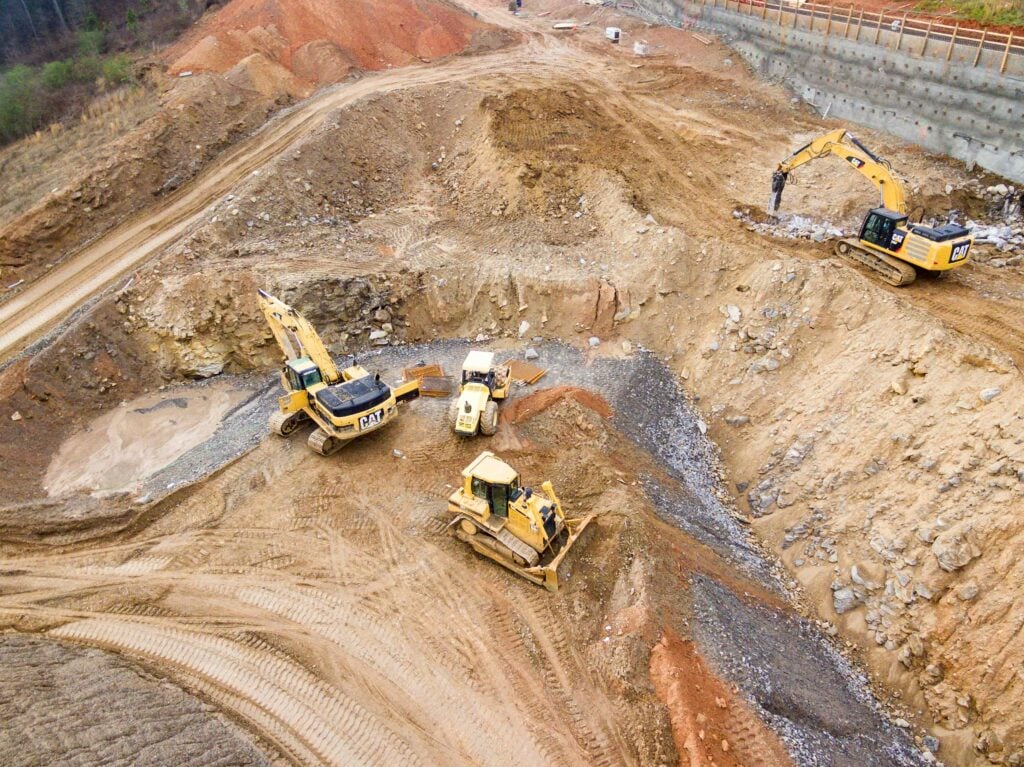
Ground conditions remain one of the biggest sources of cost, carbon and programme risk in infrastructure delivery, yet foundation strategy is still too often considered too late. When layouts and levels are fixed before the ground is understood, projects lose the chance to shape efficient, predictable outcomes. This article explores why early, ground‑led design matters and how treating foundation strategy as a front‑end decision can unlock clarity, reduce risk and improve overall project performance.
Podcast Episode #14: The Housing Crisis, How Did We Get Here?
April 2, 2026
Explore how decades of UK housing policy, supply constraints, planning and affordability pressures created today’s housing crisis, and what lessons the past offers for future delivery.
Our March 2026 Newsletter
March 31, 2026
Welcome to our March 2026 newsletter. In this issue, we’ll tell you more about how we help SMEs prioritise what matters, avoid the common financial traps, and get projects moving, backed by our experienced team who have real housebuilding experience. We’re looking back on our March webinar, where Jack Kenny and Paul Rushmer gave an overview of how to optimise mechanical and electrical designs specifically for high-risk buildings. Plus, we’ll highlight this month’s podcasts! The first explored where structural engineering and building services design overlap, and why good coordination is so important to project delivery. In episode two, Hannah Simpson, Fran Walker, and Isabelle Latuszka spoke about their early-career experiences and how diverse backgrounds add real value to projects. Below, you’ll also get to hear about some exciting awards news and an event we’re co-hosting with the LPDF in Manchester.