Commercial|
Industrial|
Mixed-use
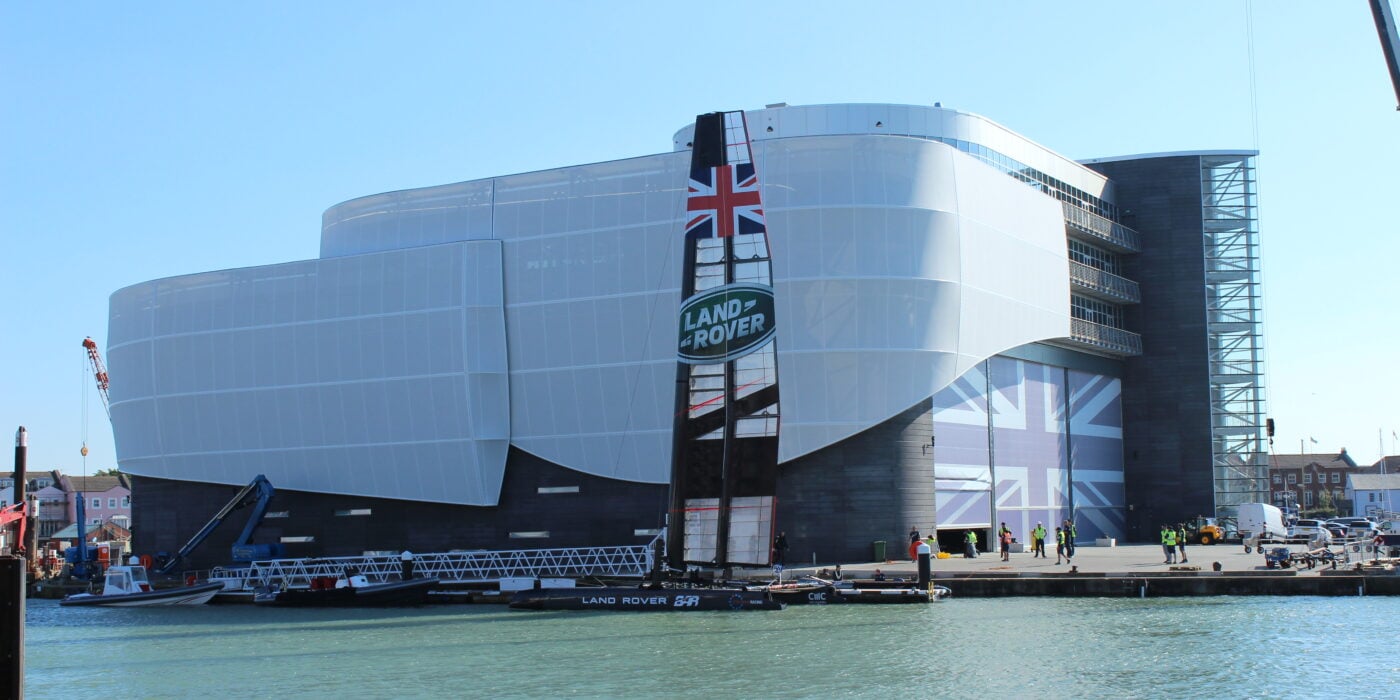
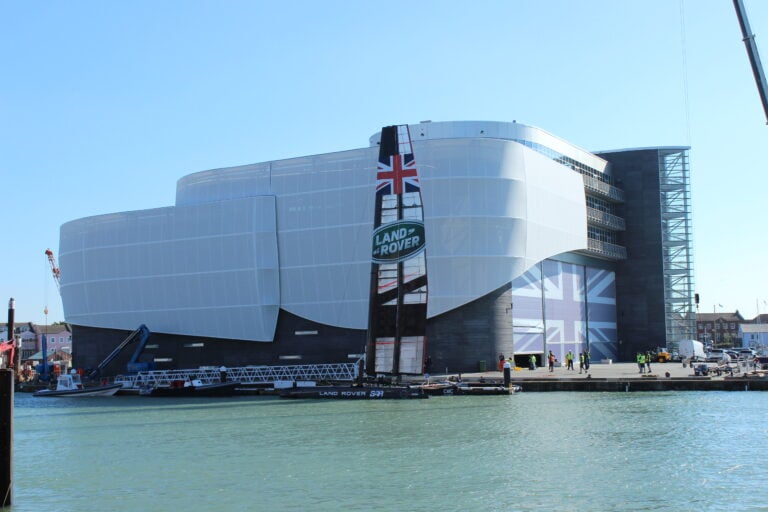
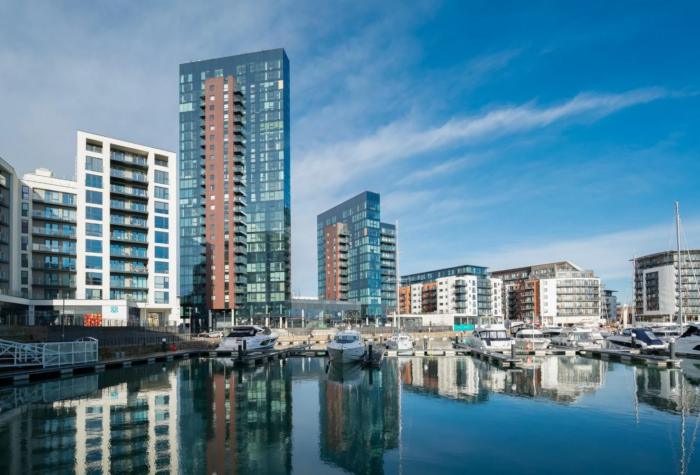
In the heart of Portsmouth Harbour, nestled on The Camber, stands a building that embodies ambition, precision, and sustainability the Ben Ainslie Racing Headquarters. Conceived as the nerve centre for Sir Ben Ainslie’s 2021 America’s Cup challenge, this prestigious facility is more than just a workplace; it’s a symbol of cutting-edge design and collaborative engineering.
The project began in mid-January 2014, when a multidisciplinary team was assembled to bring to life a headquarters that would house everything from boat manufacturing to crew facilities, offices, and a public visitor centre. With the site still undecided and the architectural concept in its infancy, the challenge was clear: deliver a world-class facility in just 17 months.
By March 2015, the manufacturing facility was operational. By June, the entire building was handed over on time and on budget. This feat was made possible by a unified team of architects, engineers, contractors, and specialists working toward a shared goal from day one.
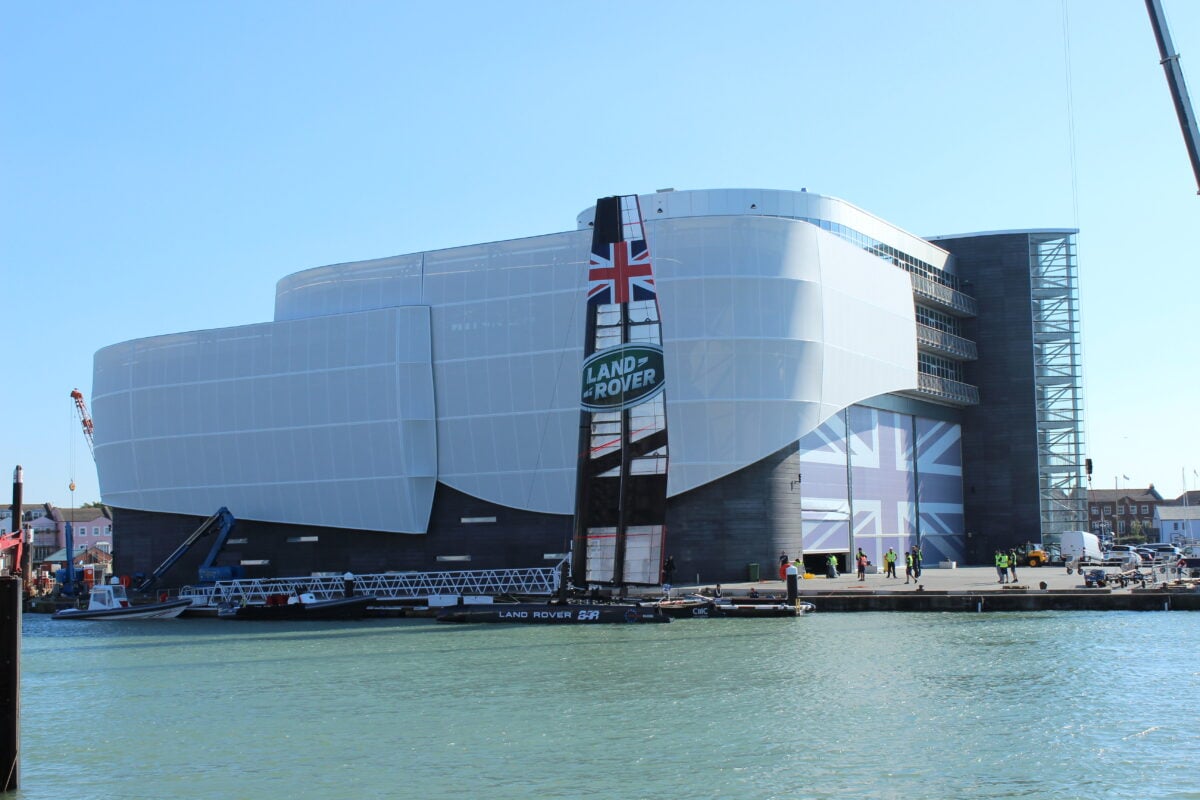
The building’s design was driven by the unique demands of the America’s Cup. The ground floor, tailored for boat manufacturing, features overhead cranes and high ceilings. Yet, the structure is far from utilitarian. The architect avoided a boxy form by tapering the north and south elevations and curving the eastern façade, creating a dynamic silhouette that reflects the elegance of sailing.
Each upper floor first, second, and third is uniquely shaped, reducing the building’s mass and offering expansive terraces. These open-plan spaces, flooded with natural light, are adaptable for future commercial use, ensuring the building’s longevity beyond its original purpose.
From the outset, the client aspired to achieve zero carbon status and a BREEAM Excellent rating. Thanks to the services consultant Couch Perry Wilkes, the building boasts an EPC A rating and complies with ISO 20121 for sustainable operations.
Key sustainability features include:
Photovoltaic installations for renewable energy
Rainwater harvesting systems
A sail-like fabric façade that provides solar shading and wind protection, enabling natural ventilation even in high winds
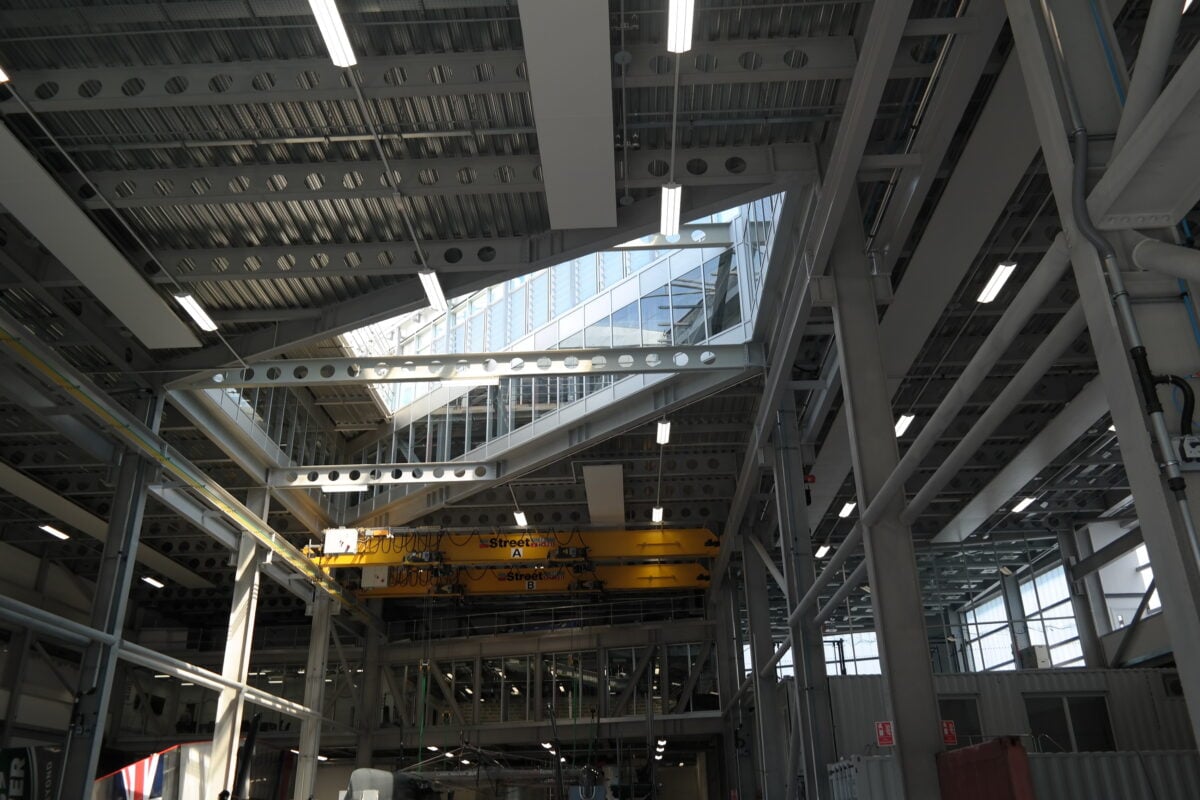
With only 3.5 months from concept to construction, off-site manufacturing was essential. A structural steel superstructure was chosen for its adaptability, speed, and minimal foundation load critical given underground obstructions.
The steel frame also allowed for late-stage design changes, including the addition of mezzanine floors and a verendeel truss to support a suspended mezzanine. These modifications were seamlessly integrated thanks to 3D Building Information Modelling (BIM), which enabled real-time collaboration and rapid design iteration.
Fire protection and corrosion resistance were meticulously planned. Using ISO12944 classifications, the team tailored a factory-applied coating system for each steel section, eliminating the need for on-site application and optimizing cost and performance.
Floor construction was another area of innovation. After evaluating various options, the team selected in-situ concrete on metal decking for its balance of cost, speed, and structural efficiency.
The Ben Ainslie Racing HQ is more than a building it’s a blueprint for how ambitious timelines, complex requirements, and sustainability goals can be met through collaboration, innovation, and precision. As Portsmouth continues to evolve, this landmark stands as a testament to what’s possible when vision meets execution.

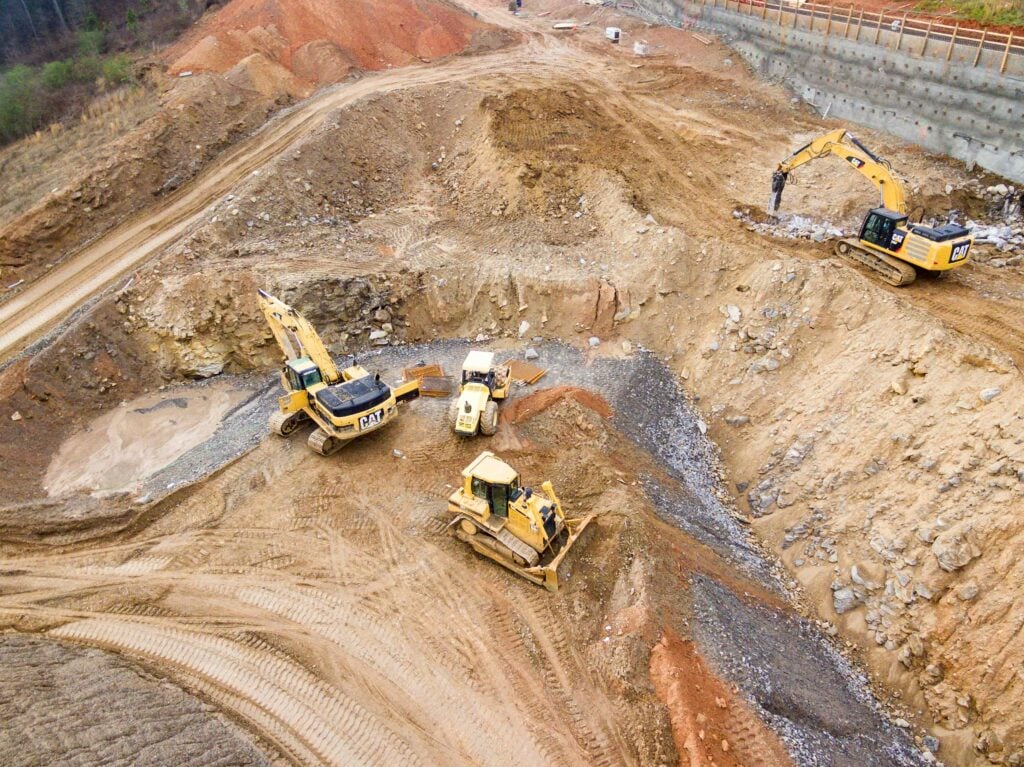
Ground conditions remain one of the biggest sources of cost, carbon and programme risk in infrastructure delivery, yet foundation strategy is still too often considered too late. When layouts and levels are fixed before the ground is understood, projects lose the chance to shape efficient, predictable outcomes. This article explores why early, ground‑led design matters and how treating foundation strategy as a front‑end decision can unlock clarity, reduce risk and improve overall project performance.
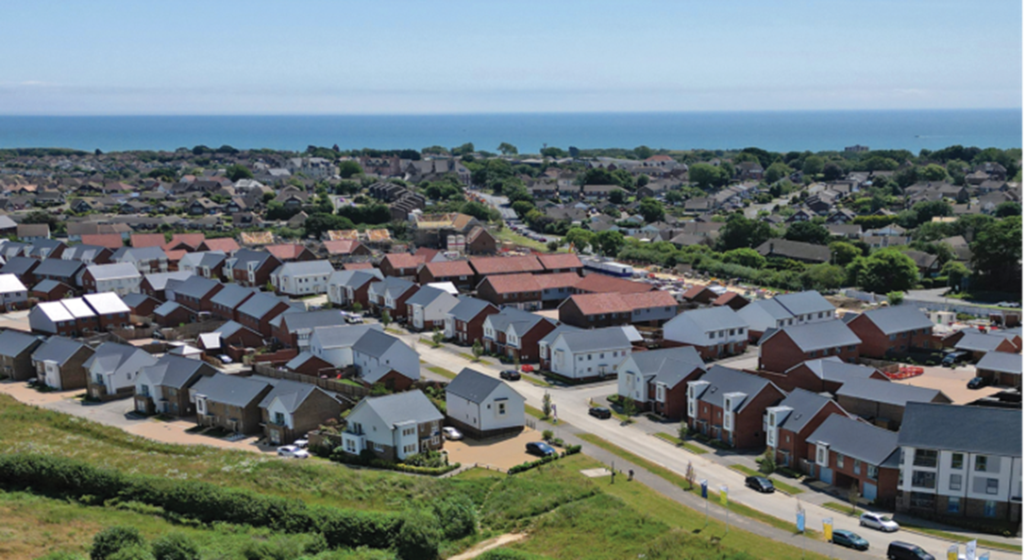
Explore how decades of UK housing policy, supply constraints, planning and affordability pressures created today’s housing crisis, and what lessons the past offers for future delivery.

Welcome to our March 2026 newsletter. In this issue, we’ll tell you more about how we help SMEs prioritise what matters, avoid the common financial traps, and get projects moving, backed by our experienced team who have real housebuilding experience. We’re looking back on our March webinar, where Jack Kenny and Paul Rushmer gave an overview of how to optimise mechanical and electrical designs specifically for high-risk buildings. Plus, we’ll highlight this month’s podcasts! The first explored where structural engineering and building services design overlap, and why good coordination is so important to project delivery. In episode two, Hannah Simpson, Fran Walker, and Isabelle Latuszka spoke about their early-career experiences and how diverse backgrounds add real value to projects. Below, you’ll also get to hear about some exciting awards news and an event we’re co-hosting with the LPDF in Manchester.