



Skip to content
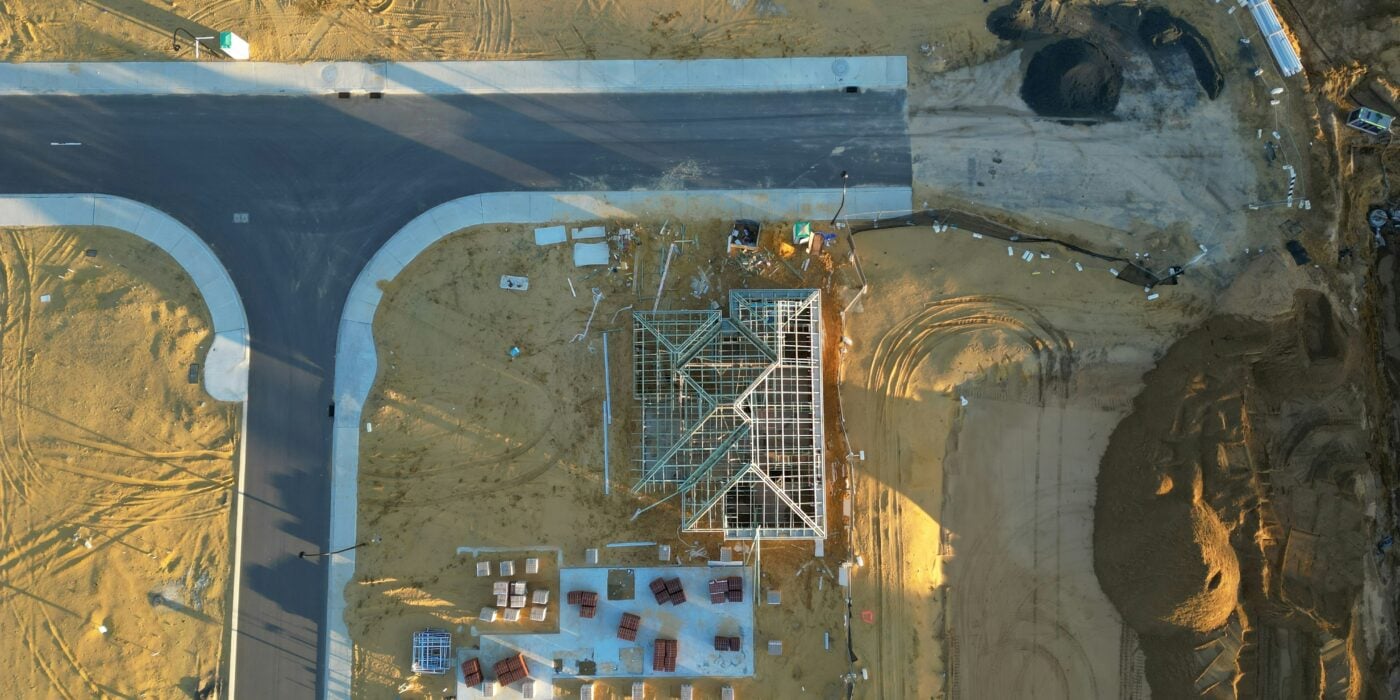
An aerial view of a Brookbanks construction site.

Earlier this month, we hosted a lunch-time webinar exploring how infrastructure design can be strengthened well before construction begins. Led by our Civil Engineering specialists Ryan Meade and Toby Crayden, the conversation focused on the practical steps that help to reduce uncertainty and make the transition from design to delivery smoother and more predictable. Their session looked at the real‑world challenges that commonly appear between early drawings and activity on site. Ryan and Toby shared their experience of how early awareness, clearer coordination and the right conversations at the right time can make a measurable difference to project outcomes.

Identifying Delivery Risks Through Early Gap Analysis

Ryan and Toby discussed how a structured gap analysis can help highlight potential risks while projects are still flexible enough to change. They explained that early design stages often bring together a mixture of assumptions, evolving information and constraints that aren’t always visible in the initial drawings. By taking time to examine where detail is missing, where interfaces are unclear or where buildability questions may arise later, project teams are able to address issues proactively rather than reactively. This early clarity helps avoid redesign, improves coordination with local authorities and supports more reliable planning for construction.


How Site Visits Add Essential Understanding

No matter how comprehensive digital information appears, visiting a project site still adds context that simply cannot be captured from data alone. Ryan & Toby described how physical walks often reveal details such as level changes, local drainage behaviours, overlooked access limitations or unrecorded features that influence the practicality of delivering the design. Even small discoveries at this stage can have a meaningful impact on sequencing, technical decisions and contractor requirements. The webinar highlighted how incorporating these observations early contributes to more robust and grounded design decisions.

A Brookbanks construction site.

Early Engagement That Builds Confidence Across Stakeholders

Another key message was the value of early engagement with those involved in approvals, delivery and operation. Ryan and Toby highlighted that when conversations with highway authorities, utilities providers, landowners or contractors happen later in the programme, assumptions may already be embedded in the design, creating friction, redesign or delay. When these discussions take place earlier, stakeholders gain reassurance that their requirements have been understood and incorporated, which in turn creates more confidence in the emerging design and reduces the number of iterations needed during detailed design or pre‑start stages.


Supporting Contractors Before They Get on Site

The webinar also explored how designers can better support contractors long before works begin. Ryan and Toby shared that many of the challenges contractors face early on, such as conflicting information, unclear buildability assumptions or sequencing uncertainties, can often be reduced earlier in the process. By anticipating these needs and involving contractors in early discussions where possible, project teams can create a smoother handover, fewer requests for information and more informed mobilisation planning. This early alignment helps maintain momentum and reduces the likelihood of avoidable disruption once on site.

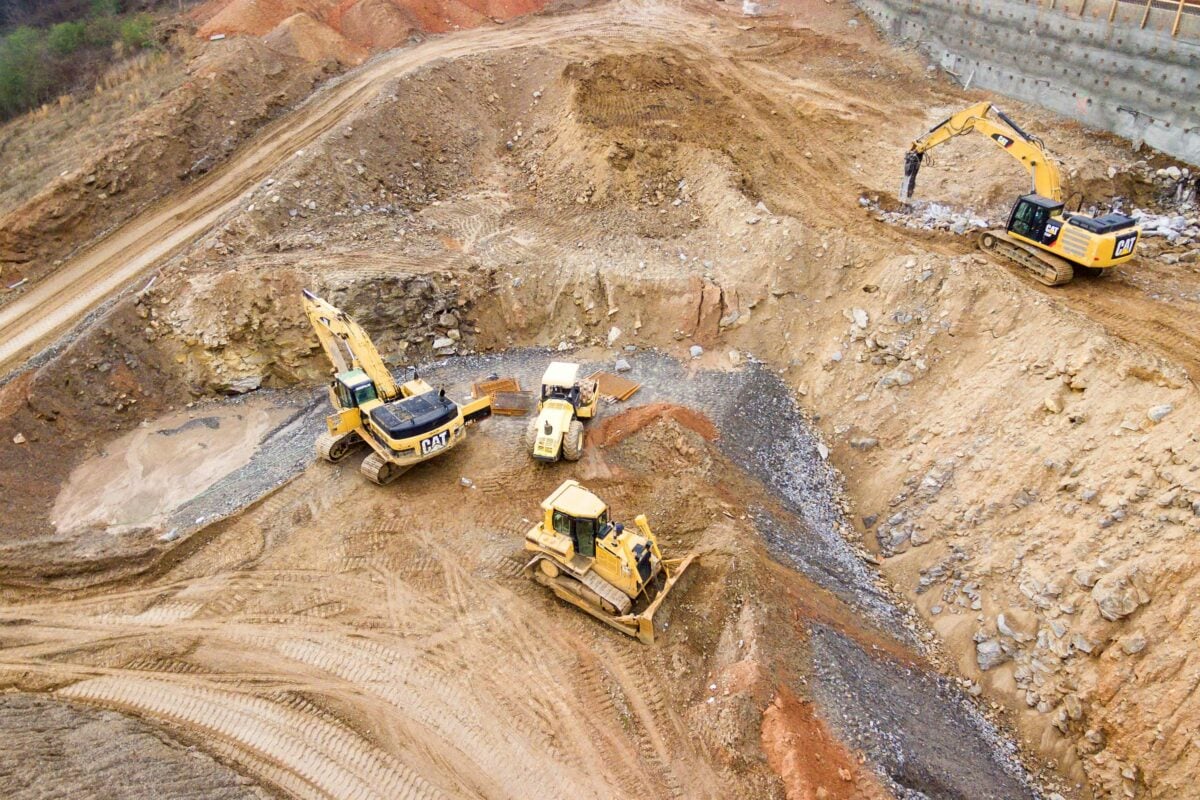
Brookbanks project at pre-build stage with diggers preparing the ground.

Making Pre‑Start Reviews More Meaningful and Efficient

They also spoke about the value of proportionate, well‑structured pre‑start drawing reviews. They explained that reviews sometimes become a formality; however, when handled properly, they provide an opportunity to confirm key interfaces, ensure that constraints have been fully reflected and confirm whether any final clarifications are needed before works commence. This step helps the whole project team, from planners to designers to contractors, begin the construction stage with a shared understanding of what is expected.


Creating an RFI Process That Supports Delivery Rather Than Slowing It Down

The discussion concluded with a focus on the importance of a clear and proportionate RFI process. Ryan and Toby explained how an effective approach to RFIs is less about volume and more about clarity, enabling project teams to resolve technical questions quickly, allowing construction to continue without avoidable delays. By approaching RFIs as a collaborative process rather than an administrative one, teams can support a more positive and efficient construction experience.

An aerial view of houses surrounding a road featuring a roundabout

Want to Learn More?

If you’re involved in planning, development or infrastructure delivery, the insights shared by Ryan and Toby offer a practical look at where early risks often emerge, and how small, early interventions can lead to more predictable and confident project outcomes

Watch the full webinar video above to hear the conversation and to see how this was put into practice in a real-world project case study.

Ryan Meade, Head of Civil Engineering at Brookbanks
Head of Civil Engineering

Ryan Meade

Read Profile
Civils Technical Director

Toby Crayden

Read Profile

More News

construction site, crane, construction machinery, construction work house construction, construction site, construction site, construction site, construction site, crane, crane, crane, crane, crane

Making High Rise Developments Deliverable

April 17, 2026

High‑rise developments rarely fail through lack of ambition, but through risks that are identified too late. When planning, infrastructure, fire strategy, servicing and buildability are treated as separate exercises, schemes often look strong in concept but weaken rapidly at delivery, leading to redesign, delays and value erosion. This article explores why early, joined‑up thinking is essential for tall buildings, and how front‑end due diligence and integrated strategy can reduce risk, protect viability and create schemes that are genuinely deliverable.

Read More
Brookbanks project at pre-build stage with diggers preparing the ground.

Why Foundation Strategy is a key for Infrastructure Delivery

April 3, 2026

Ground conditions remain one of the biggest sources of cost, carbon and programme risk in infrastructure delivery, yet foundation strategy is still too often considered too late. When layouts and levels are fixed before the ground is understood, projects lose the chance to shape efficient, predictable outcomes. This article explores why early, ground‑led design matters and how treating foundation strategy as a front‑end decision can unlock clarity, reduce risk and improve overall project performance.

Read More