Hintze Hall – Natural History Museum
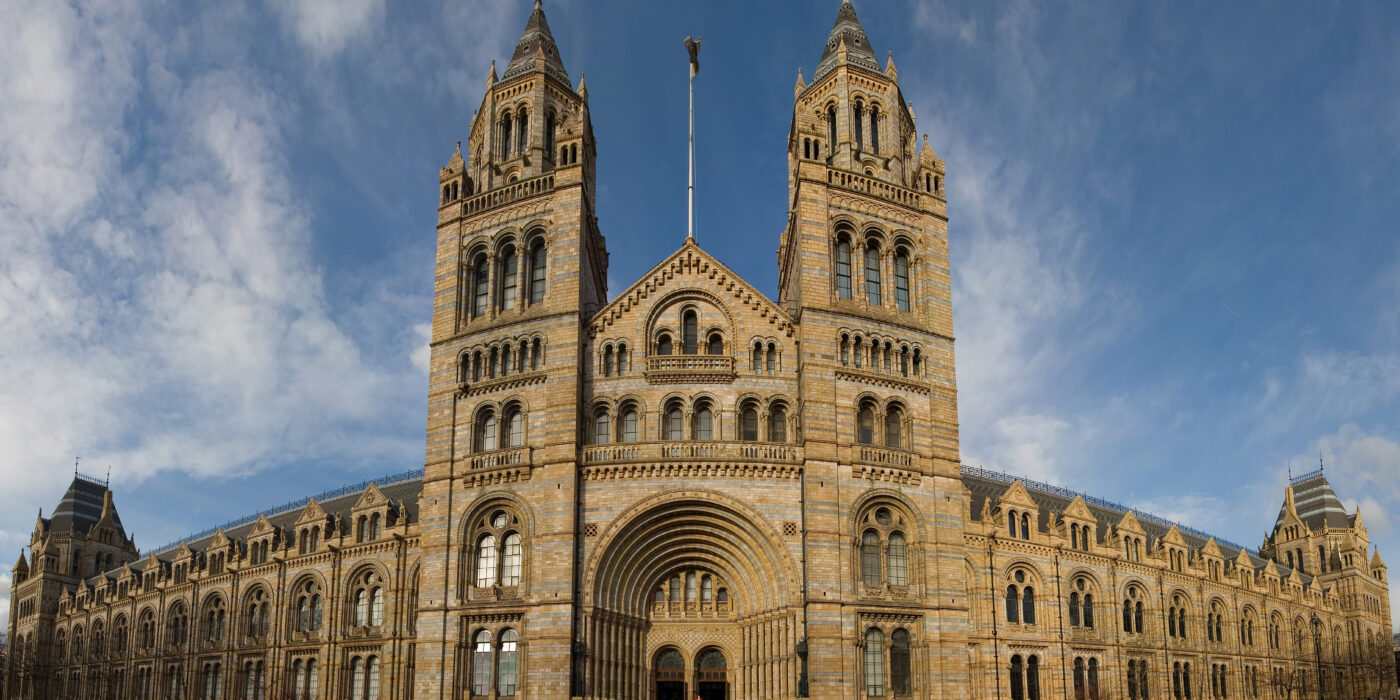
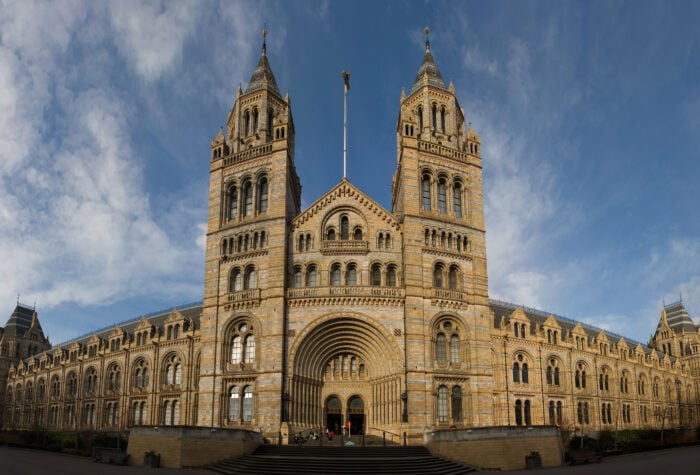
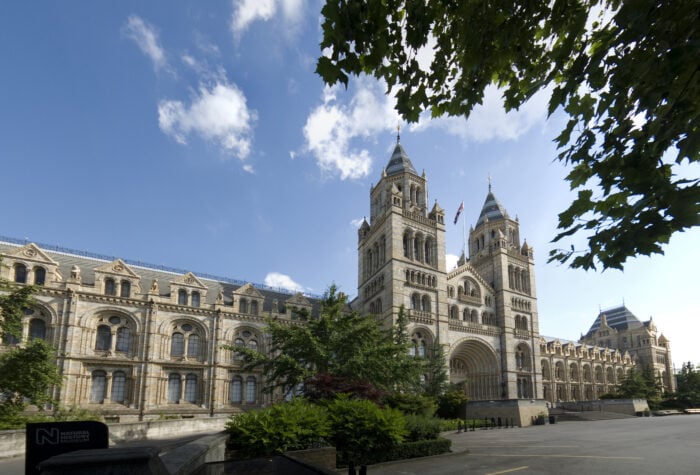
Brookbanks has delivered a series of technically complex and sensitive engineering projects at the Natural History Museum, supporting both iconic public galleries and critical back-of-house facilities. These schemes required a detailed understanding of conservation environments, heritage constraints and the demands of world-leading scientific collections. The programme spans several high-profile gallery refurbishments and a major collections infrastructure framework, all aimed at enhancing environmental performance, operational resilience and the visitor experience within one of the world’s most significant cultural institutions.
Our Role
We were appointed to provide mechanical and electrical engineering design services across multiple projects at the museum, ranging from public exhibition spaces to highly controlled storage environments.
Working closely with curators, exhibition designers, architects and specialist consultants, our role focused on delivering building services solutions that balance conservation requirements, sustainability objectives and the constraints of a historic estate.
A key aspect of our approach was integrating new systems within existing infrastructure wherever possible, ensuring minimal disruption to the building fabric and ongoing operations. This required careful coordination, detailed modelling and a strong emphasis on practical, maintainable solutions tailored to each project’s specific requirements.
The Outcome
Hintze Hall (£5.5m)
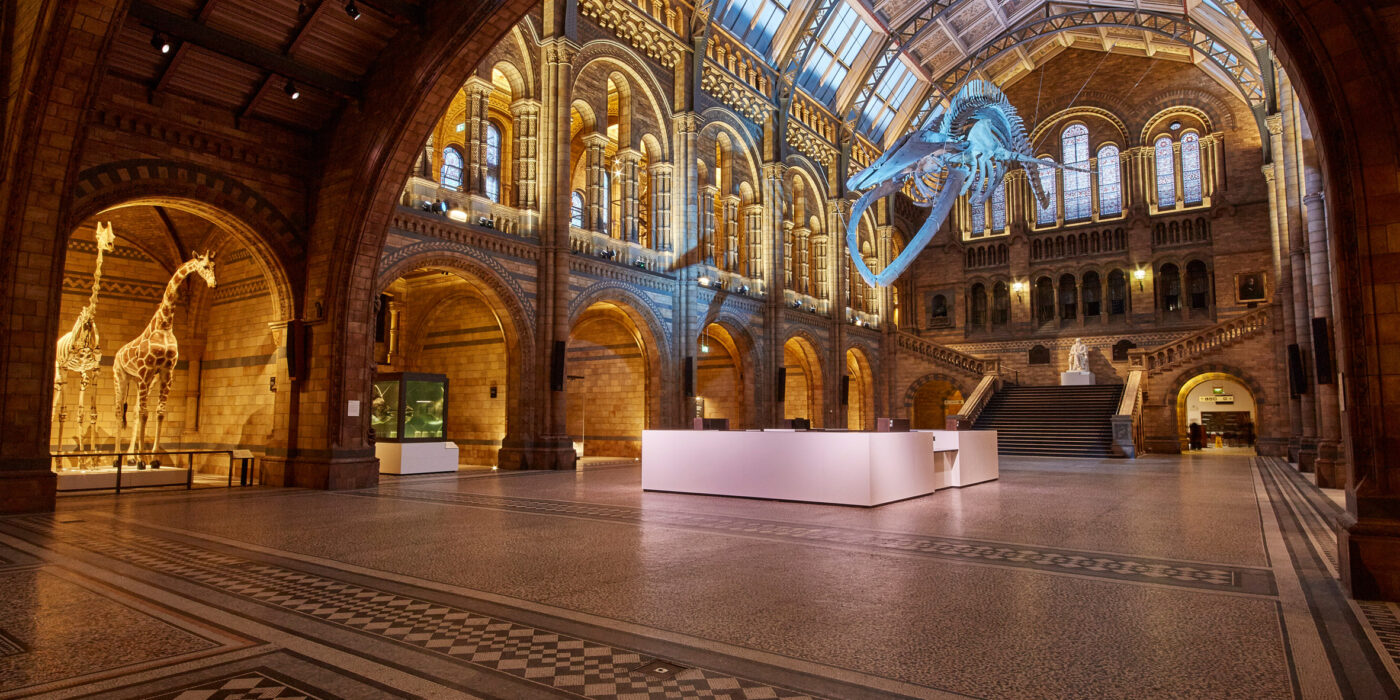
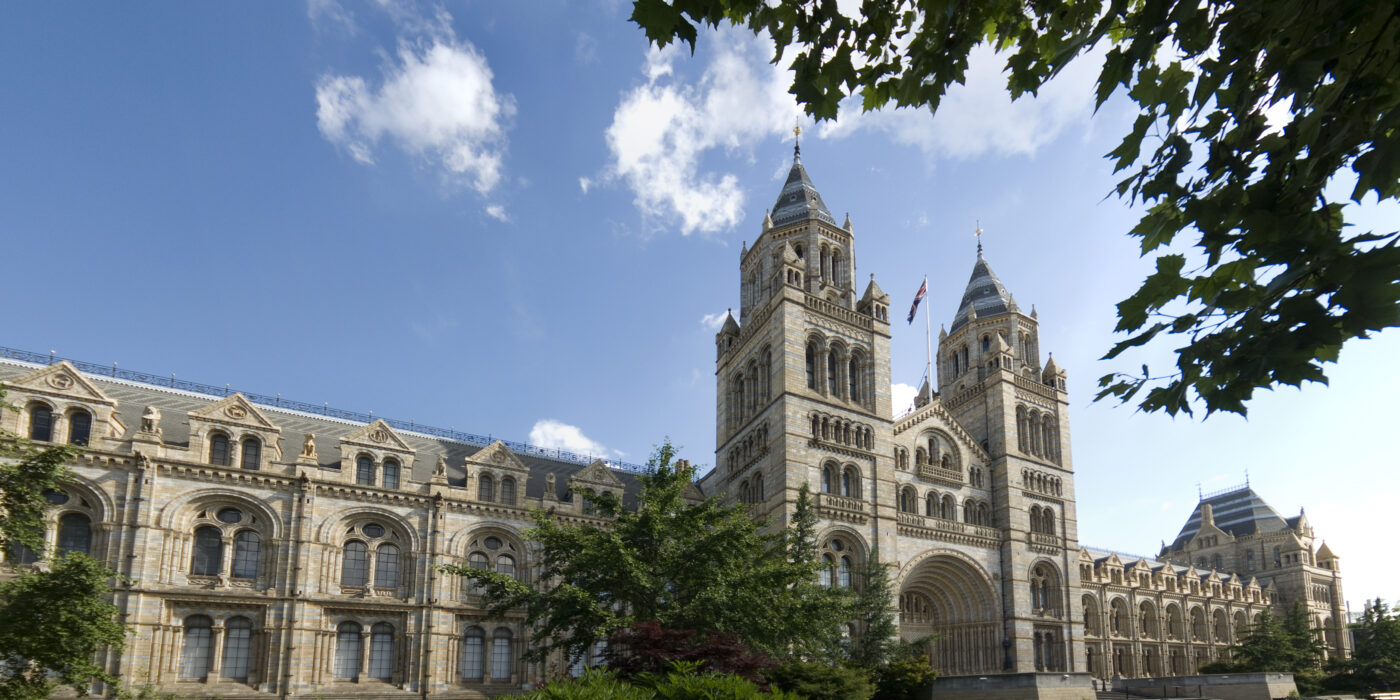
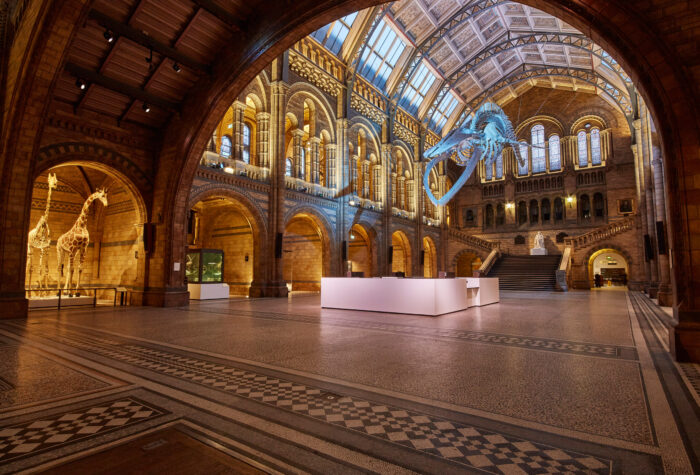
Hintze Hall is one of the museum’s most recognisable and historically significant spaces. We were appointed to deliver M&E base-build and exhibition fit-out works to support the reinstatement of the iconic blue whale skeleton.
Using advanced Computational Fluid Dynamics (CFD) modelling, we assessed airflow patterns and environmental conditions within the hall. This allowed us to sympathetically reinstate natural ventilation openings, improving internal environmental stability while minimising thermal extremes.
The result is a carefully balanced environmental strategy that enhances comfort for visitors while protecting the suspended specimen and preserving the architectural integrity of the Grade I listed space.
Waterhouse Gallery (£1.5m)
The refurbishment of the 800m² Waterhouse Gallery was designed to enable the space to host more complex and demanding exhibitions.
Our M&E designs focused on improving environmental control by integrating new systems with the existing air handling plant. This approach maximised the use of available infrastructure while introducing targeted upgrades to achieve the tighter temperature and humidity conditions required for sensitive exhibits.
The upgraded gallery now provides a flexible and adaptable environment capable of accommodating a wide range of exhibitions, supporting the museum’s evolving curatorial ambitions.
Treasures Gallery (£1.5m)
We were appointed to transform a 1,700ft² space into a self-contained gallery housing a collection of priceless artefacts spanning 7.5 billion years.
Working closely with exhibition designers, we developed an innovative and discreet services strategy that preserved the historic character of the space. A key feature was the bespoke cabling solution, where services were routed through copper sleeves designed to closely match the colour and texture of the museum’s listed terracotta brickwork.
This careful integration of modern infrastructure within a sensitive heritage setting ensured that the focus remains on the exhibits, while maintaining the visual integrity of the building fabric.
Collection Storage Infrastructure (£4m)
The Collections Storage Infrastructure framework comprised four specialist projects: the Large Vertebrate Store, Quarantine facilities, Molecular Collections Facility and BS5454-compliant Archives.
Each element required highly controlled environmental conditions tailored to the specific needs of different collection types.
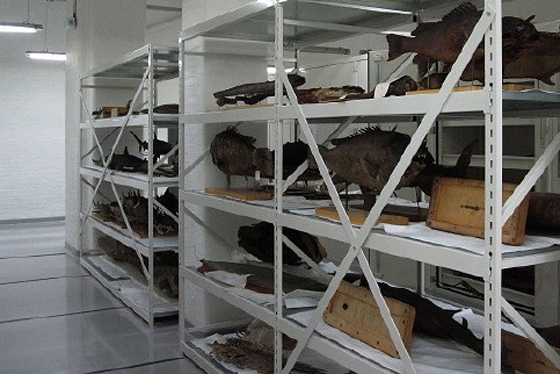
- Large Vertebrate Store: Upgrades focused on improving environmental stability and energy efficiency, including the introduction of low-UV LED lighting to support long-term specimen conservation.
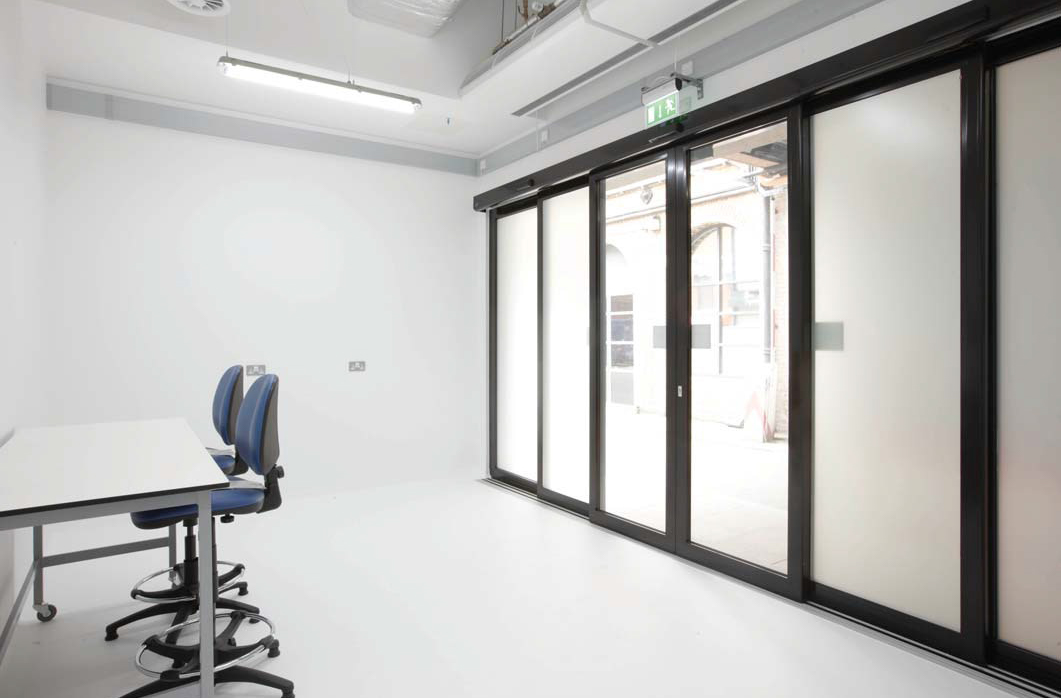
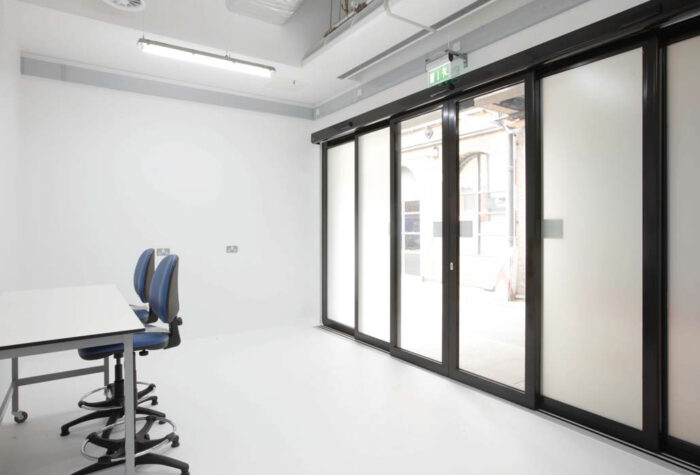
- Quarantine Facilities: New biosecure spaces were created for the safe handling, isolation and treatment of incoming specimens, designed to meet world-class laboratory standards.
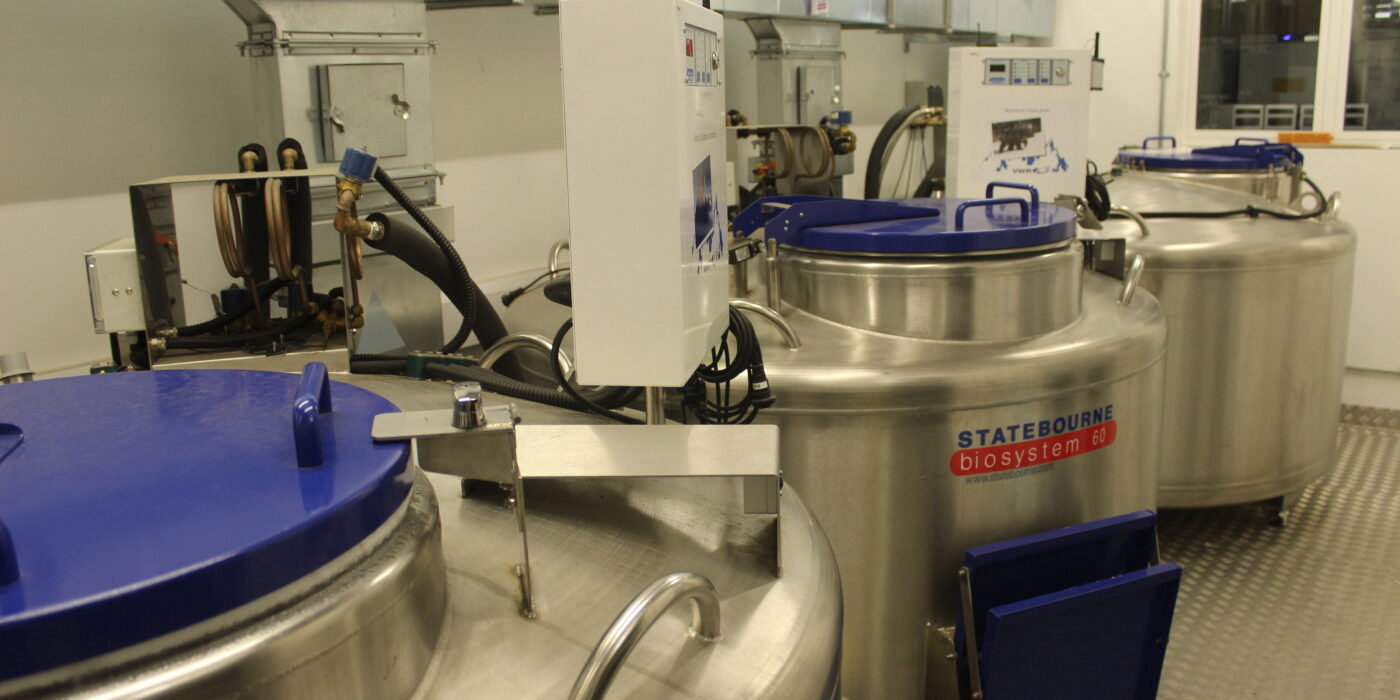
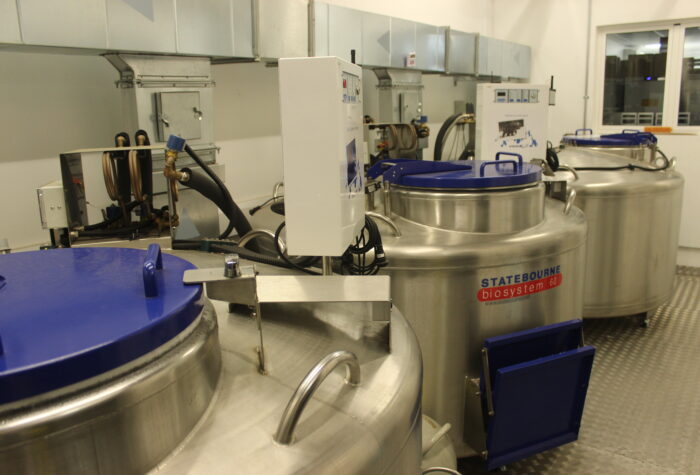
- Molecular Collections Facility: We developed a highly specialised storage environment incorporating cryogenic and liquid nitrogen systems, supported by robust risk assessments and system resilience strategies.
- Archives: A BS5454-compliant archive was delivered with tightly controlled temperature and humidity conditions, supported by low-energy and passive design measures to ensure long-term sustainability.
Together, these projects significantly enhance the museum’s capacity to manage, preserve and research its collections. Delivering multiple projects within a live museum environment required careful planning and coordination to minimise disruption to both visitors and staff.
Each space presented unique technical challenges, from integrating modern services into listed structures to achieving highly specific environmental conditions for sensitive materials. Balancing conservation requirements with energy efficiency and operational practicality was a consistent priority across all schemes.
The use of advanced modelling, innovative detailing and close collaboration with stakeholders enabled us to develop solutions that were both technically robust and sympathetic to the museum’s historic context.
Project Highlights
- CLIENT Natural History Museum
- Status Grade 1 Listed
- MECHANICAL ENGINEERING
- ELECTRICAL ENGINEERING
- PUBLIC HEALTH ENGINEERING
- ENERGY & LOW CARBON DESIGNS
Sectors
Brookbanks Groups
Key Team Members

Mechanical Engineer
Keith Belding
Read Profile
National Director for Building Engineering / Head of London Office
Paul Rushmer
Read ProfileRelated Case Studies