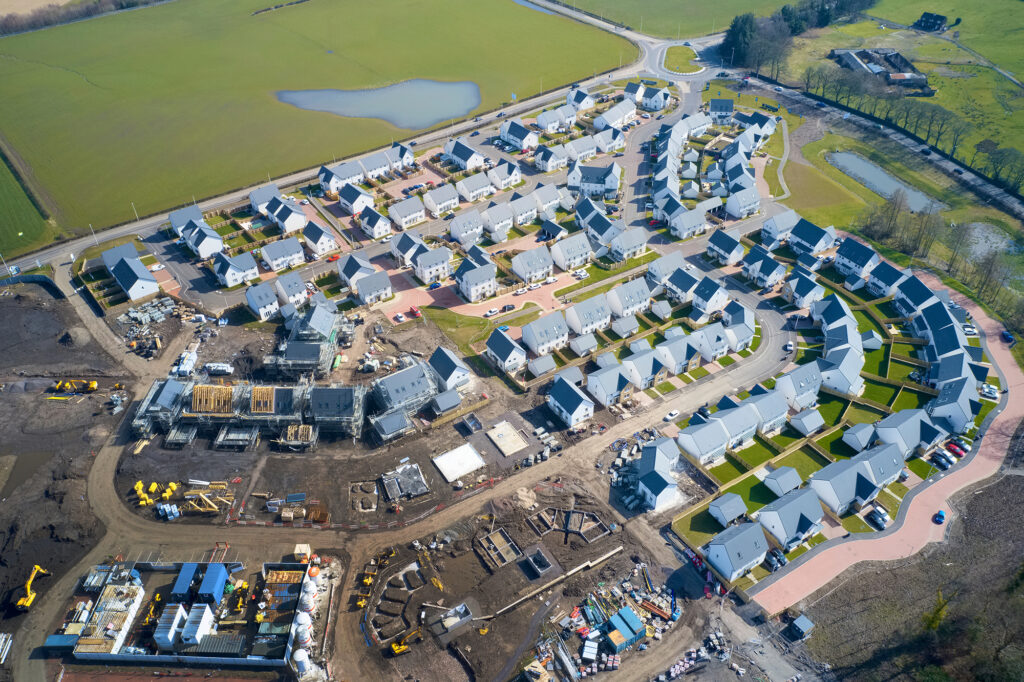
After the achievement of securing planning permission, often after years of hard work, it is this important stage where land disposals are made by land promoters and landowners, and site purchases and Reserved Matters applications are made by developers (commercial and residential). For homebuilders there is often an internal transition where the site moves from Strategic Land teams through to Business Unit development teams.
As with any period of change or ‘Transition’, it is this part of the development cycle where development programmes are often challenged/delayed and margins can be eroded. During these times of transition, careful management and review of information is also fundamental to great outcomes for project owners.
How we have listened to the needs of our clients and partners?
This is a role we have undertaken in many guises for a significant number of years.
We have now taken the step to formalise an established role within this growing section of our business and as such we have set up the new Transition Team, headed by David Nottingham. David and his team have blended skill sets across technical, planning, engineering, commercial and production disciplines with a drive to seek out risks, secure appropriate mitigation and find the most cost effective and deliverable solutions.
What is the role of our transition team?
The work often is initiated by reviewing and critiquing existing technical work undertaken through to a planning permission, making next stage recommendation to secure the programme and minimise development costs. Key areas of this work can include:
- Highways strategy and costs reviews.
- Utility strategy and supplier agreements.
- Foundations and earthworks recommendations.
- Drainage strategy review and recommendations.
The Brookbanks’ Transition team work closely with our clients/partners, and the Brookbanks’ land and development management teams to drive best value from the land disposal and site planning/implementation strategies.
Where the Transition team is working on our clients’ development projects as part of major development disposal strategies, the team produce focused site disposal packs, which offer clear technical strategies and associated costs for purchasers.
Please get in contact to find out more about the work of this team and how we can assist your scheme.