Skip to content
A serene forest path covered in autumn leaves, surrounded by vibrant fall foliage.

Welcome to our November newsletter. In this issue, we dive into the latest Planning & Infrastructure Bill updates, share insights on avoiding hidden site costs, spotlight new podcast episodes, and celebrate some fantastic team news. Plus we are looking ahead to what’s next, inviting you to our last webinar of the year. We hope you find these updates informative and inspiring as we work together toward smarter, sustainable development

Invite – Section 106 Contributions: Purpose and Recovery Webinar

Although the year is winding up, we’re not slowing down in sharing knowledge.

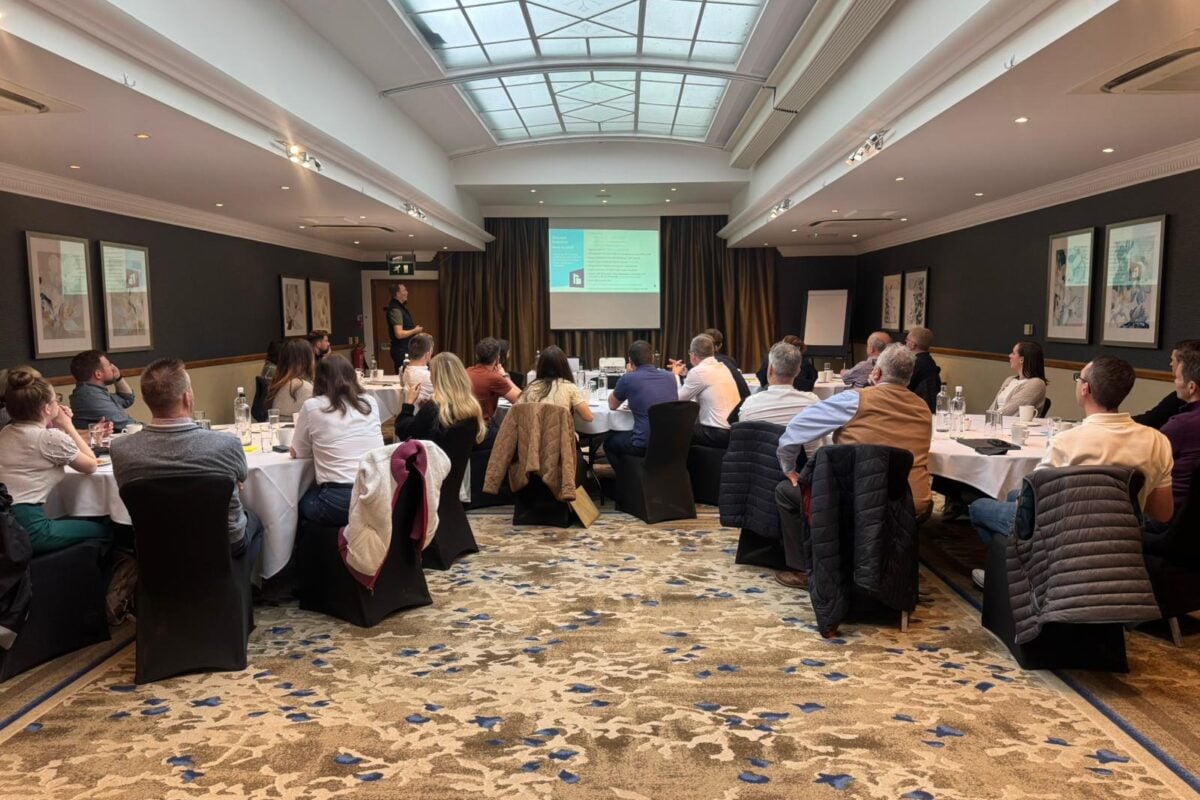
Our last webinar of the year will be hosted by our Head of Cost & Commercial, Ben Wakeling, focusing on strategies for Section 106 (S106) recovery, an area that can significantly affect development economics.

Date: Wednesday 10th December
Time: 12:30 – 13:00
Location: Online

This session will delve into how developers can navigate S106 obligations and crucially, reclaim or optimise costs where possible. We’d love for you to join us in exploring ways to help developers recover vital cash.

Why is this important for our clients

S106 obligations can tie up significant capital. This session will show developers how to identify unspent contributions, reduce unnecessary costs, and recover funds held by Local Authorities. In a challenging market, these insights can directly improve cashflow, viability and deliverability.

Industry Updates – Planning & Infrastructure Bill

The Government’s Planning & Infrastructure Bill progressed this month, with several proposals that could significantly impact the development sector.

1. Modernising Planning Committees
A new national framework would standardise what is decided by officers vs. councillors. More routine applications would be delegated to planning officers, with only major or sensitive schemes going to committee. This aims to cut delays and create consistency across local authorities.

2. Planning Fee Reform
Local authorities would be able to set their own planning fees, up to full cost recovery. Higher, ring-fenced fees are intended to strengthen under-resourced planning teams and speed up application determination times.

Why this means for our clients

If adopted, these changes could deliver a faster and more predictable planning process, with fewer political delays and better-resourced planning teams. We’ve also recommended further improvements to ensure the reforms drive real benefits for developers by reducing uncertainty, delays and carrying costs.

Read the full article

Podcast – Reuse, Retrofit & Sustainable Development

Catch-up on this month’s podcast episodes!

Our first podcast of the month was a great discussion on Sustainable Drainage Systems (SuDS), where Paul Coombs and Andrew Wilkinson explored the regulatory shifts, adoption challenges and why SuDS are quickly becoming essential for future-proofed development.

The second focused on the role of structural engineers and how they play a key part in reusing existing buildings, a theme gaining real momentum across the industry.

Have a watch to explore why adaptive reuse is increasingly the smarter, faster and more sustainable choice for many projects. The episode covers:

  • Carbon & Cost Savings – Learn how reuse avoids demolition, reduces the need for new materials and can shorten programmes.

  • Circular Economy in Practice – Hear how retaining structures dramatically cuts embodied carbon and aligns with IStructE climate principles.

  • Common Barriers & Solutions – Understand why many older buildings are more robust than expected and how they can meet modern standards.

  • Real Examples – See how offices, industrial units and mixed-use buildings have been successfully repurposed to deliver high-quality outcomes with lower environmental impact.

Why it matters for our clients

With rising carbon pressures, evolving regulation and growing investor demand for sustainable approaches, adaptive reuse offers genuine opportunities for both value elevation and carbon reduction. Many existing assets can be transformed rather than rebuilt, often delivering quicker, greener, more cost-effective results.


 

Team – New Leadership and Achievements

November has been an exciting month for our team, marked by growth and recognition within our ranks:

New Structures Director – Lee Bowers: We are thrilled to welcome Lee Bowers, who joined us this month as a Director of our Structural Engineering team. Based in Cambridgeshire, Lee is also heading up our new Cambridgeshire and East Anglia office. He brings over 18 years of design experience, strengthening our regional growth and ensuring we continue delivering top-tier structural solutions for our clients nationwide.

Jack Kenny wins CIBSE Award: A huge congratulations to Jack, Associate Director in our M&E Engineering team, for receiving a Certificate of Commendation for Services to the Chartered Institution of Building Services Engineers (CIBSE). His dedication to engineering excellence and innovation in building services has been rightly recognised by industry peers. We are proud of Jack’s achievement, highlighting the caliber of expertise we offer to our clients. His win is not just a personal milestone but a reflection of our commitment to leading the way in building services and sustainable design. Well done, Jack!

Meet Lee and Jack

Jack Kenny, Associate Director at Brookbanks
Associate Director, Mechanical and Electrical Engineering Group

Jack Kenny

Read Profile
Lee Bowers, Structural Director at Brookbanks
Structural Director

Lee Bowers

Read Profile

Looking Ahead

Thank you for taking the time to read our newsletter. We know how busy everyone gets as the year-end approaches (and festive parties begin!).

If you have questions or want to talk about an upcoming project, you can contact Rachel Appleby, our Group Business Director, via email at rachel.appleby@brookbanks.com, who will happily introduce you to any of our team.

Subscribe to our YouTube channel

Follow us on LinkedIn and Instragram


Sign up to our Newsletter to stay up to date

More News

A street of Brookbanks residential houses

Our February 2026 Newsletter

February 23, 2026

Welcome to our February 2026 newsletter. In this issue, we will be sharing what’s been happening over the past month, including our two new podcasts highlighting the common pitfalls around S278 and S38 highway approvals, and what the Planning & Infrastructure Bill means for developers in England and Wales, with special guest Mark Harris from HBF Wales. We’re also looking back on our latest article, which explored how unspent S106 and CIL funds create opportunities to review, challenge and optimise legacy obligations, and why combining planning expertise with commercial insight is key to unlocking value. Plus, we are rounding off by showcasing one of our team's achievements.

Read More
An aerial view of a Brookbanks construction site.

Brookbanks Webinar: De-risking Infrastructure Design

February 18, 2026

Earlier this month, we hosted a lunch-time webinar exploring how infrastructure design can be strengthened well before construction begins. Led by our Civil Engineering specialists Ryan Meade and Toby Crayden, the conversation focused on the practical steps that help to reduce uncertainty and make the transition from design to delivery smoother and more predictable. Their session looked at the real‑world challenges that commonly appear between early drawings and activity on site. Ryan and Toby shared their experience of how early awareness, clearer coordination and the right conversations at the right time can make a measurable difference to project outcomes.

Read More
A row of red brick houses with blue sky and a field in front of them.

Two Years On: Billions Still Sitting in Unspent Developer Contributions and What That Means for Developers

February 18, 2026

Two years after the Home Builders Federation (HBF) first highlighted the scale of unspent developer contributions, more than £8 billion in S106 and CIL remains unused across England and Wales, with a significant portion dormant for over five years. For developers, it raises a critical question: if infrastructure isn’t being delivered, are these obligations still proportionate or commercially justified? This article explores why the issue persists and how reviewing triggers, outdated requirements and opportunities for modification or claw-back can turn S106 from a fixed liability into an actively managed commercial tool that protects viability and unlocks value.

Read More