Skip to content
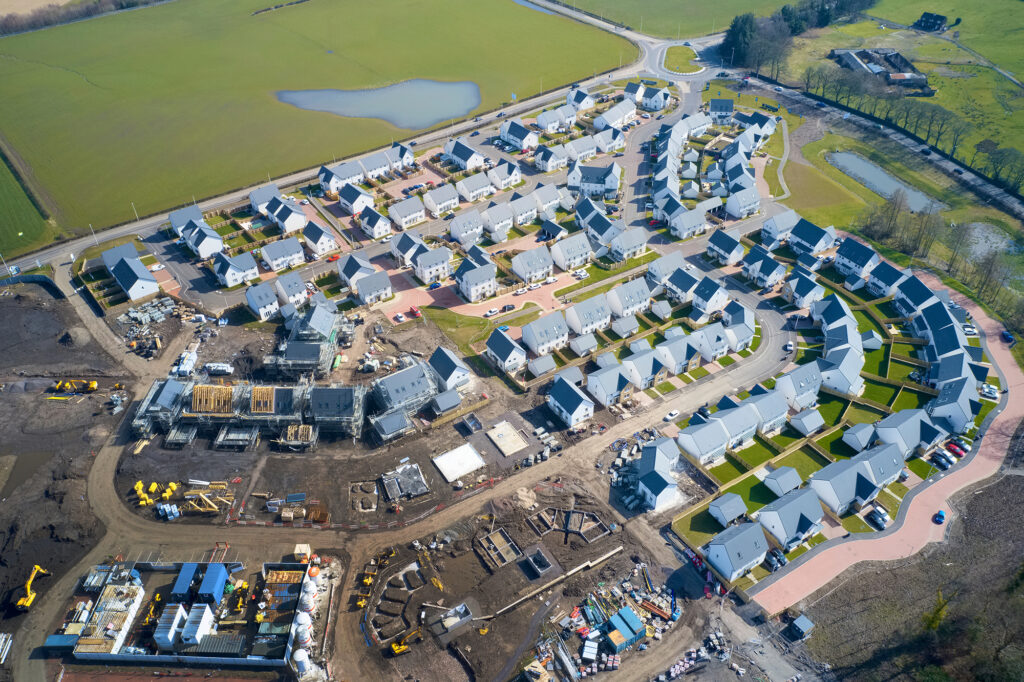
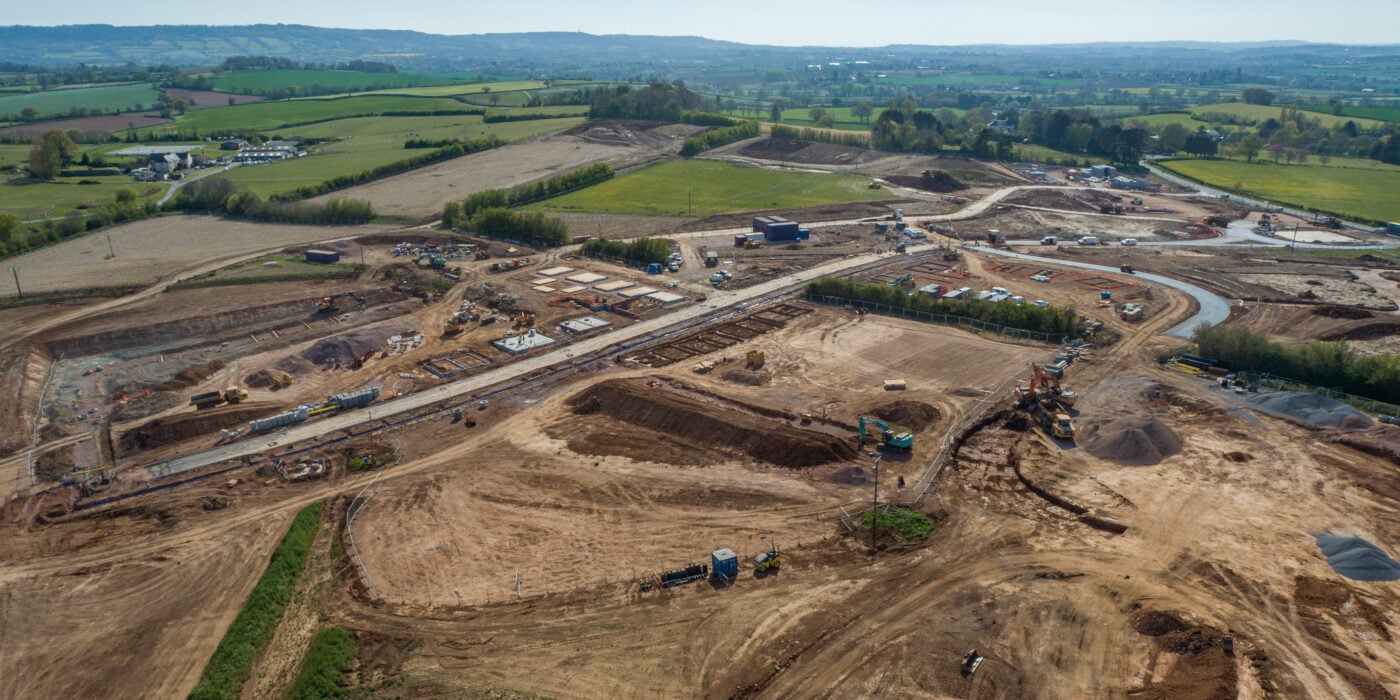
Brookbanks project at pre-build stage with diggers preparing the ground.

Ground conditions remain one of the biggest sources of cost, carbon and programme risk in infrastructure delivery, yet foundation strategy is still too often considered too late. When layouts and levels are fixed before the ground is understood, projects lose the chance to shape efficient, predictable outcomes. This article explores why early, ground‑led design matters and how treating foundation strategy as a front‑end decision can unlock clarity, reduce risk and improve overall project performance.

Why Early Foundation Strategy is the Most Overlooked Lever in Infrastructure Delivery

There is a persistent contradiction at the heart of UK infrastructure and development projects. The ground, often invisible to decision-makers, is one of the greatest sources of cost, risk, and carbon. Yet it is rarely treated as a primary design driver. Instead, substructure considerations are often deferred until layouts are fixed, levels established, and planning submissions underway. By this stage, the opportunity to influence design outcomes and optimise cost, programme, and sustainability has largely passed.

What follows is familiar to anyone working in the industry. Ground conditions begin to assert themselves late in the design process, forcing design teams into reactive solutions. Piling is introduced in areas that may not have required it. Retaining structures become more complex and material-intensive than necessary. Costs escalate, programmes extend, and teams are left resolving problems that could have been avoided through early engagement.

At Brookbanks, we see this pattern across residential, commercial, and infrastructure-adjacent projects. Our experience shows that the most effective substructure solutions are developed when foundation strategy is integrated at the earliest stages of a project, creating clarity and flexibility across the design.

The Cost of Delay

Treating ground as a downstream consideration inevitably turns it into a constraint rather than an opportunity. By the time a detailed ground investigation is undertaken, the design has often reached a level of maturity that makes meaningful change difficult. Architecture and site layout are fixed, levels have been set, and programme pressures leave little room for iteration.

In practice, this often results in reactive substructure solutions, engineered to make the scheme work rather than to make it efficient. At Brookbanks, we have seen projects where late-stage foundation redesigns have led to significant cost escalation, have disrupted coordination across multiple disciplines, and have removed opportunities to optimise the wider scheme.

Reactive approaches also introduce uncertainty into commercial decisions. Contractors respond to perceived risk by inflating cost estimates, programmes extend due to unforeseen redesign, and the client’s ability to make informed trade-offs is reduced. In effect, failing to consider ground early translates into higher cost, delayed delivery, and lost opportunity to create an overall more sustainable design.
Reframing the Role of Ground

We advocate for a totally different approach. We treat the ground not as a risk to be mitigated once defined, but as a system to be actively engaged with throughout the design process. Early-stage foundation strategy has the potential to influence far more than the substructure. It informs site zoning, building arrangement, level distribution, and infrastructure phasing. It also guides decisions on whether shallow or deep foundations are appropriate and whether retaining structures are required.

By considering ground as a strategic tool, rather than a problem to solve, we ensure that foundation design becomes a driver of better outcomes across cost, programme, and carbon. Substructure is transformed from a reactive exercise in compliance into a proactive, integrated element of project delivery.


Levels and Ground: Unlocking Efficiency

One of the clearest opportunities we identify on projects is the integration of ground conditions with a levels strategy. Levels are frequently dictated by planning, access, or drainage requirements, while ground conditions are considered separately by geotechnical engineers. This disconnect often leads to unnecessary retaining structures or overengineered foundations, adding cost, carbon, and programme pressure.

Even small adjustments in formation levels, identified through early intervention, can allow transitions from piled to shallow foundations, balance cut and fill to reduce material import, and remove the need for structural retaining altogether. These changes are not minor efficiencies; they are fundamental design improvements that materially affect deliverability, commercial outcomes, and sustainability.


Carbon: Designed In, Not Added Later

Substructure design carries a significant carbon footprint. Piling, ground beams, and retaining structures are inherently material-intensive. Once introduced, their environmental impact is difficult to mitigate. We address this challenge by embedding carbon-conscious decisions at the earliest design stage. This ensures that choices between piled or shallow foundations, and between retained or regraded sites, are considered before decisions become locked in.

A ground-led approach allows carbon implications to be surfaced, tested, and optimised when they have the greatest effect. By designing out carbon-intensive interventions early, schemes achieve material and sustainability efficiencies without compromising structural integrity.

Towards a Brookbanks Ground-Led Design Process

Adopting a proactive approach does not require a fundamental restructuring of project delivery; it requires reordering priorities. We engage with ground conditions at the earliest stages through desktop review, strategic foundation zoning, and targeted investigation.

This process allows us to:

  1. Understand where flexibility exists in layout and levels
  2. Align structural, civil, and commercial considerations
  3. Make confident, informed decisions that reduce risk and cost

Clients benefit from greater cost certainty, the reduced need for programme contingencies, and improved clarity for procurement and contractor engagement. By embedding ground strategy at the outset, we create a framework for efficient, predictable, and optimised project delivery.


Delivering Predictable, Optimised Outcomes

The advantages of this approach are measurable. Projects where we have applied early ground-led strategies consistently demonstrate greater cost certainty, fewer redesign cycles, more predictable delivery programmes, and lower embodied carbon.

These outcomes are not coincidental; they are a direct result of integrating ground strategy at the earliest possible stage.

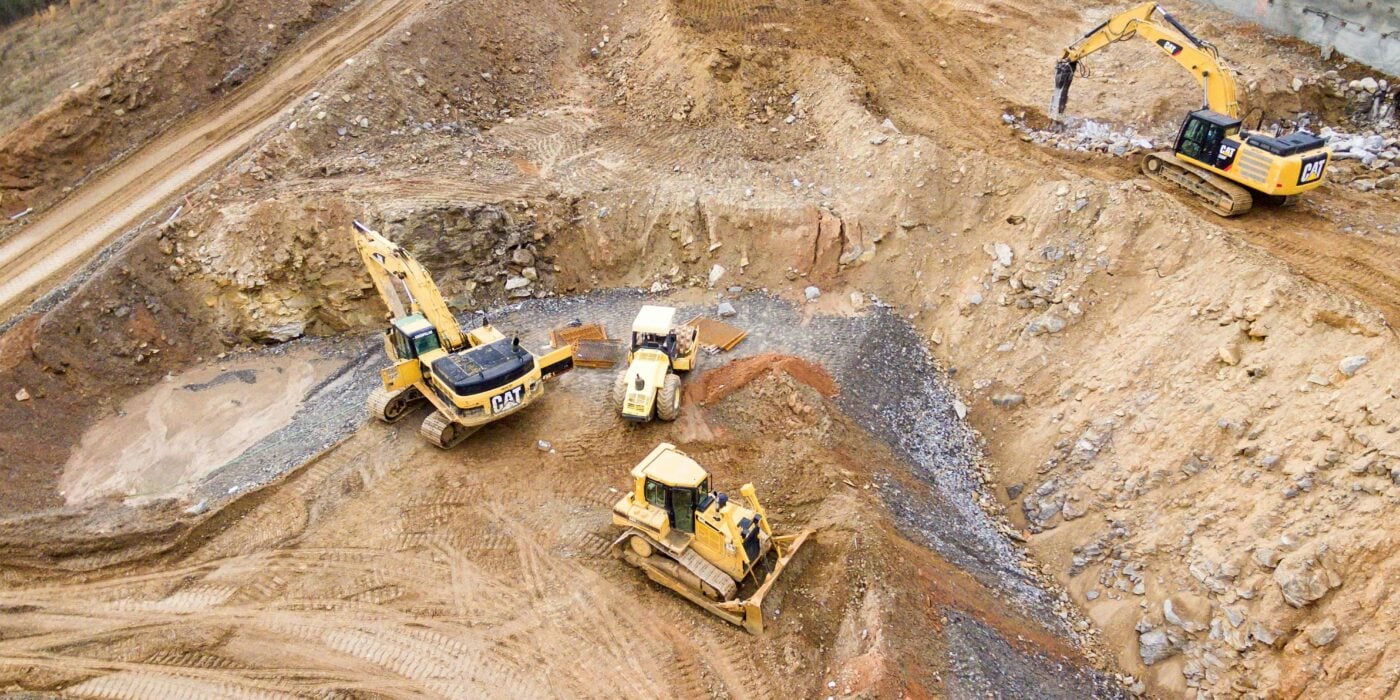
A Brookbanks construction site.

Conclusion

Ground will always carry uncertainty. The critical question is how to address that uncertainty. Treating foundation design as a downstream activity perpetuates reactive engineering, late-stage cost escalation, and missed opportunity. Our experience shows that reframing foundation strategy as an early-stage, planned consideration transforms the ground from a constraint into a design enabler.

The projects that perform best are not those that simply respond to ground conditions, they are the ones that begin with them.

If you’d like to talk about how we can support your project, we’d very much welcome the conversation.

Chris Vivian, Group Director at Brookbanks
Group Director for Structural Engineering

Chris Vivian

Read Profile

More News

A picturesque sunset over the lush, green countryside of Deganwy, Wales, capturing nature's beauty.

Brookbanks Webinar: Comprehensive Coordination for Environmental Impact Assessments

April 23, 2026

In this webinar we explore how Environmental Impact Assessments (EIAs) can be better coordinated to support clearer, more robust planning decisions. Annabel Le Lohé and Katherine Peers set out how EIAs are intended to function, before focusing on the practical considerations that influence how effective an assessment is in practice, from early briefing decisions through to long‑term delivery. The session was aimed at those working across planning, development and technical disciplines who are involved in preparing, coordinating or contributing to EIAs, particularly on large and complex schemes.

Read More
construction site, crane, construction machinery, construction work house construction, construction site, construction site, construction site, construction site, crane, crane, crane, crane, crane

Making High Rise Developments Deliverable

April 17, 2026

High‑rise developments rarely fail through lack of ambition, but through risks that are identified too late. When planning, infrastructure, fire strategy, servicing and buildability are treated as separate exercises, schemes often look strong in concept but weaken rapidly at delivery, leading to redesign, delays and value erosion. This article explores why early, joined‑up thinking is essential for tall buildings, and how front‑end due diligence and integrated strategy can reduce risk, protect viability and create schemes that are genuinely deliverable.

Read More