




Skip to content

Explore nutrient neutrality, EDPs, the Planning & Infrastructure Bill, legal timelines, mitigation challenges and how we help unlock housing delivery across England and Wales.

Nutrient neutrality continues to affect planning decisions and housing delivery across England and Wales. In our latest podcast episode, Planning and Infrastructure Bill: Are EDPs the Key?, our host Ben Wakeling is joined by Brookbanks specialist Dean Swann and Mark Harris from the Home Builders Federation Wales to unpack the issue, the legislation behind it, and the future role of Environmental Delivery Plans (EDPs).

What Nutrient Neutrality Is, and Why It Matters 

Nutrient neutrality prevents additional nitrogen and phosphorus from entering protected water bodies. Excess nutrients drive algal blooms and eutrophication, harming sensitive habitats. Though a planning issue since 2019, it stems from the Dutch Case (2018) and remains enforced via the Habitats Regulations.
Most loading comes from agriculture and the water industry, not new housing.

Even at significant build‑out rates, new homes contribute around 0.5%, falling to 0.07% when LURA 2023 measures are applied, yet housing cannot proceed without fully mitigating its share.


How Planning Decisions Are Impacted

LPAs cannot lawfully approve development that worsens conditions in failing catchments (targets set by the Environment Agency (EA) and Natural Resources Wales (NRW)). Applicants therefore need evidence‑based mitigation to demonstrate neutrality.

Mitigation remains challenging: credits are scarce and geographically limited; on‑site measures reduce but don’t remove impact; developers cannot influence the largest contributors directly. Result: stalled permissions and delayed delivery.

Are EDPs the Solution?

The Planning & Infrastructure Bill proposes Environmental Delivery Plans as a strategic route: developers would calculate impact, fund the EDP and, in principle, be deemed to have met requirements so development can proceed. Natural England has indicated EDPs for 16 nutrient areas in England, with activity stepping through winter 2025 and spring/summer 2026 (stakeholder engagement, guidance, user testing, consultations and secondary legislation).

Timelines feel ambitious, and EDPs apply to England only, with no equivalent route in Wales. It’s also unclear whether levy funds will keep pace with housing demand in each catchment.

How we support clients

Whether EDPs arrive next month or next year, success will still depend on accurately measuring and reducing impact, then submitting clear, robust evidence. As one team of experts, we help by:

  • Calculating nutrient impacts and identifying reduction opportunities
  • Preparing strong submissions for LPAs, Natural England and NRW
  • Navigating conditions, approvals and appeals
  • Aligning today’s approach with the emerging EDP framework

Our experience across planning, environmental assessment and infrastructure delivery means we can guide projects through complexity with clarity and confidence.

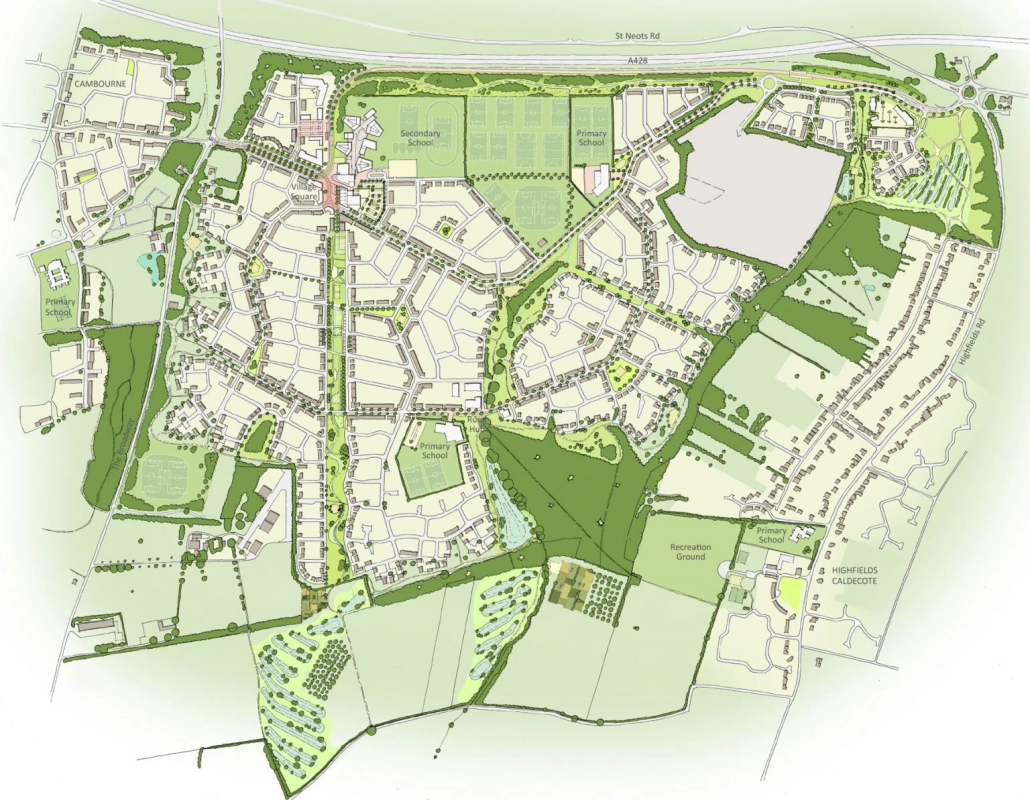
A Brookbanks site plan of the Bourn Airfield development

Catch Up Now!

This episode is essential listening for anyone involved in planning, infrastructure delivery, or housing development. Whether you’re a developer, policymaker, local authority planner or simply interested in how the sector is evolving, you’ll find practical insight and clear explanations.

Watch the full episode now: Brookbanks Podcast Episode #11: Planning and Infrastructure Bill, are EDPs the Key?

Stay tuned for more episodes as we continue exploring the big issues shaping planning and infrastructure in 2026 and beyond.

Team members on the podcast

Ben Wakeling, Head of Cost and Commercial at Brookbanks
Head of Cost and Commercial

Ben Wakeling

Read Profile
Dean Swann, Group Technical Director at Brookbanks
Technical Director, Land, Development and Communities Group

Dean Swann

Read Profile

More News

construction site, crane, construction machinery, construction work house construction, construction site, construction site, construction site, construction site, crane, crane, crane, crane, crane

Making High Rise Developments Deliverable

April 17, 2026

High‑rise developments rarely fail through lack of ambition, but through risks that are identified too late. When planning, infrastructure, fire strategy, servicing and buildability are treated as separate exercises, schemes often look strong in concept but weaken rapidly at delivery, leading to redesign, delays and value erosion. This article explores why early, joined‑up thinking is essential for tall buildings, and how front‑end due diligence and integrated strategy can reduce risk, protect viability and create schemes that are genuinely deliverable.

Read More
Brookbanks project at pre-build stage with diggers preparing the ground.

Why Foundation Strategy is a key for Infrastructure Delivery

April 3, 2026

Ground conditions remain one of the biggest sources of cost, carbon and programme risk in infrastructure delivery, yet foundation strategy is still too often considered too late. When layouts and levels are fixed before the ground is understood, projects lose the chance to shape efficient, predictable outcomes. This article explores why early, ground‑led design matters and how treating foundation strategy as a front‑end decision can unlock clarity, reduce risk and improve overall project performance.

Read More