
Podcast Episode #15: Energy Pressures in Industrial & Logistics Projects

Explore how rising energy demand, grid capacity constraints and changing requirements are shaping industry and logistics developments, and what developers can do to manage energy risk and future‑proof schemes.
Electricity demand has become one of the most influential factors shaping industry and logistics developments in the UK. From regulatory change to electrification of fleets and buildings, securing sufficient power is now central to whether schemes are viable, fundable and deliverable.
In this episode of the Brookbanks Podcast, we explore how electricity demand is evolving, why network capacity is becoming increasingly constrained, and how developers can respond to this shifting landscape.
Ben Wakeling, Head of Cost and Commercial at Brookbanks, is joined by Mat Capper, Director of Utilities at Brookbanks, Jack Kenny, Associate Director of Mechanical and Electrical Engineering at Brookbanks, and external guest Tom Park, Associate Development Director at Caddick Developments.
Together, they bring utilities expertise, engineering insight and developer knowledge to a challenge that is impacting projects across the sector.
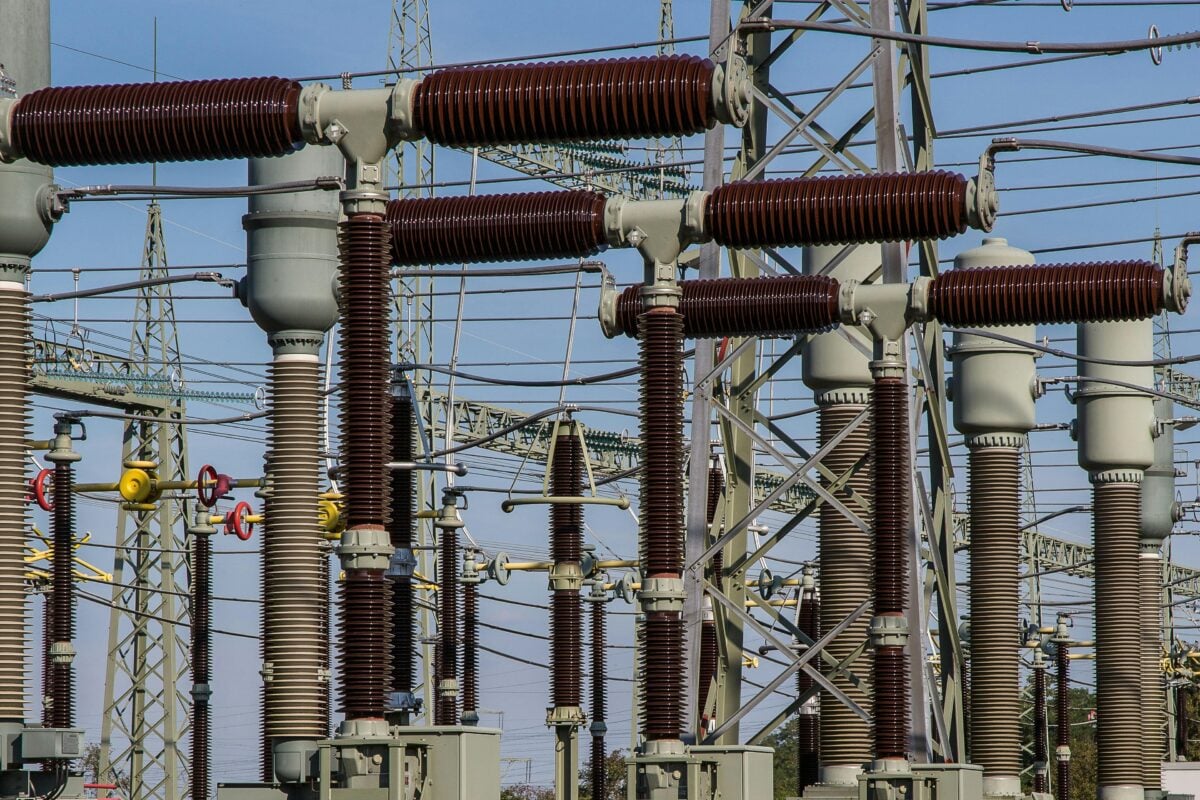
Why is Energy Demand Rising?
A key driver of rising electricity demand is the gradual move away from gas‑based systems within industrial base‑builds. Jack explains how compliance with Part L has shifted heating and hot water provision towards fully electrified solutions, with electric heating, VRF systems and electric hot water now commonplace across new developments.
Alongside this, implementing EV charging infrastructure has rapidly changed from an optional extra to an expected deliverable. Many schemes now include active EV chargers across a starting proportion of parking spaces, with passive provision built-in to the remaining spaces for future expansion. Compared to developments delivered a decade ago, the cumulative impact of these changes on power demand is significant.
Network Capacity and Grid Constraints
From a utilities perspective, Mat outlines how demand from industrial, residential and commercial developments is stacking up against a constrained electricity network. Greater demand, combined with infrastructure lead‑in times and uncertainty around funding, is resulting in longer timescales, higher costs and less certainty for large connections.
Recent and ongoing connection reform has tried to improve efficiency in the system, but in practice they have introduced further unpredictability around queue position, delivery and liability for reinforcement works, challenges that are disproportionately effecting large demand connections.

The Developer View: Power as a Key Asset
Tom moves on to explain why electricity has become one of the most valuable commodities in the industry and logistics market. Occupiers are increasingly demanding higher levels of power to support automation, EV fleets and advanced operational processes, and the availability of capacity can directly influence a site’s attractiveness and value.
One of the key highlights is how in reality, occupiers often request more capacity than they expect to use, partly to future‑proof operations and partly because retained capacity holds long‑term value. Funders typically expect that secured power remains connected to an asset, even if underutilised, as part of its investment appeal.
The Role and Limits of Renewables
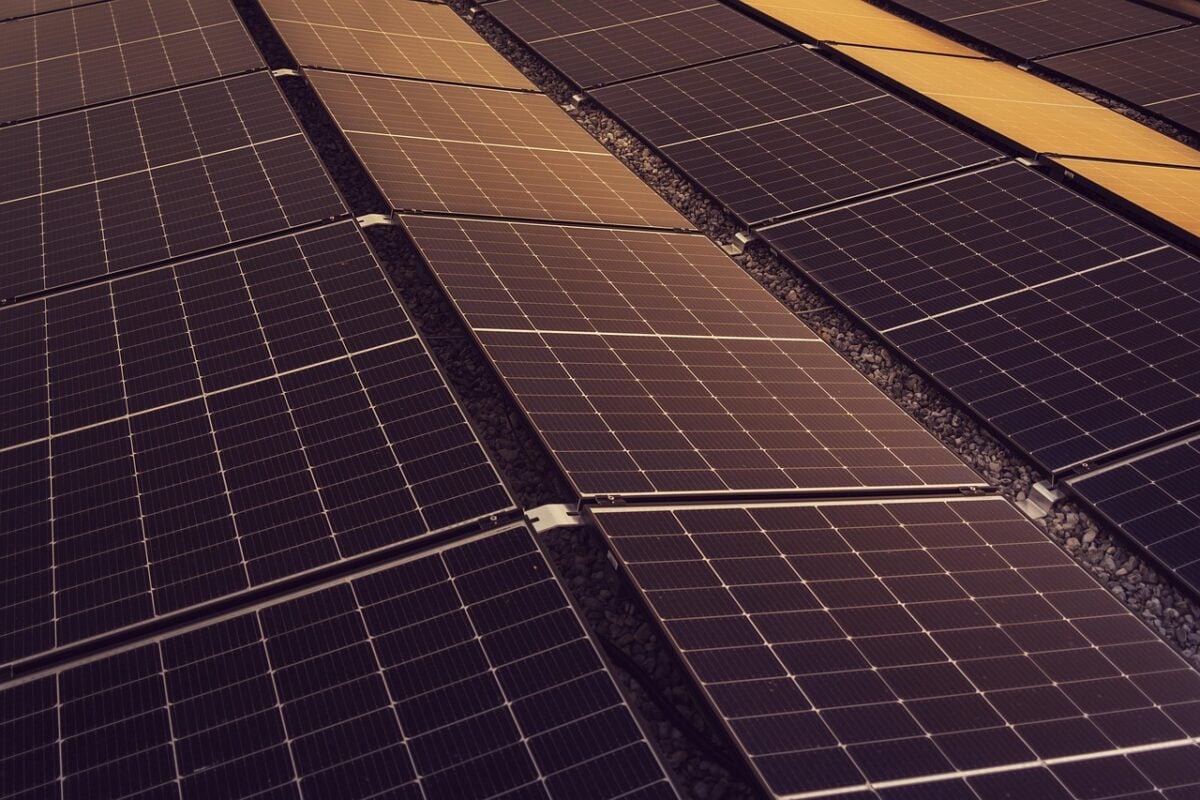
On‑site renewables, particularly PV, now form a standard part of modern industrial developments. While Jack, Tom and Mat all agreed that rooftop PV can make a meaningful contribution to reducing operational energy costs, they also stressed that PV cannot yet be relied upon as a substitute for traditional grid connection or capacity.
Battery storage was highlighted as a potential future solution, but the current cost, scale and space requirements limit its role in being a solution to be able to offset major capacity shortfalls. For now, renewables are best viewed as cost‑saving and sustainability measures, rather than core supply solutions.
Data Centres and Emerging High‑Demand Uses
In this episode also covers the growing prominence of data centres and other non‑traditional industry occupiers who have very large power requirements. While headline land values can be attractive, the reality is that many sites are unable to support the level of power required without major upfront investment and long‑term uncertainty.
Beyond data centres, increasing demand for fleet EV charging hubs is becoming a more frequent consideration for developers, particularly with the growth of electrified delivery fleets. These uses can be both land‑ and power‑intensive, adding further pressure to constrained networks.
Securing Capacity Early
One of the recurring themes in this episode is the mismatch between how the system is designed and how developments are delivered in practice. While early capacity reservation is discouraged in policy terms, developers often have little choice but to secure power early to provide certainty for planning, funding and delivery.
Without clarity on power availability, schemes simply cannot progress, making early commitment a necessary risk despite the financial exposure it can bring.

Looking Ahead
Looking to the future, Jack, Mat and Tom discuss how emerging technologies may help relieve pressure in the coming years. Hydrogen, particularly for industrial and logistics uses, may play a role alongside electrification, though significant challenges remain to be able to implement this technology in a safe and efficient manner.
In the nearer term, developers are likely to continue relying on a blend of electrification, PV, batteries, interim generation solutions and smarter energy management to bridge gaps while the grid catches up. Technology will evolve, but the need for early, integrated energy strategy is unlikely to reduce any time soon.
Catch Up Now!
Whether you work in the industry and logistics sector, or simply want to understand why energy pressures have become such a complex challenge for industry, this episode brings sector context and the best suggestions of tailored project solutions.
Watch the full episode now: Brookbanks Podcast Episode #15: Energy Pressures in Industrial & Logistics Projects
Stay up to date with industry news and topics by subscribing to our YouTube channel.
Team members on the podcast

Head of Cost and Commercial
Ben Wakeling
Read Profile
Associate Director, Mechanical and Electrical Engineering Group
Jack Kenny
Read Profile
Director of Utilities
Mat Capper
Read ProfileMore News

Our July 2026 Newsletter
August 17, 2026
This month, we’ve continued to explore many of the key themes currently influencing the built environment, from sustainable drainage and climate resilience through to structural efficiency, site disposal and long-term project performance. A particular highlight from the past month was the publication of our new report, written in conjunction with the Home Builders Federation (HBF), examining Sustainable Drainage Systems and the opportunities we’ve identified in Wales to support greater consistency, certainty and efficiency ahead of guidance becoming legislation across England. This month, we also shared some exciting leadership news as we continue to grow and evolve following our recent partnership with CBPE. Plus, read on to take a look back at our latest thought leadership article covering development viability, as well as three podcast episodes from the past few weeks.