

Skip to content
A row of red brick houses with blue sky and a field in front of them.

Two years after the Home Builders Federation (HBF) first highlighted the scale of unspent developer contributions, more than £8 billion in S106 and CIL remains unused across England and Wales, with a significant portion dormant for over five years. For developers, it raises a critical question: if infrastructure isn’t being delivered, are these obligations still proportionate or commercially justified? This article explores why the issue persists and how reviewing triggers, outdated requirements and opportunities for modification or claw-back can turn S106 from a fixed liability into an actively managed commercial tool that protects viability and unlocks value.

Two years after the Home Builders Federation (HBF) first highlighted the scale of unspent developer contributions, the picture has not materially changed. In its refreshed analysis looking at the position into late 2025, the data still points to a significant backlog of funds sitting with local authorities rather than being deployed into infrastructure.

Latest figures indicate that more than £8 billion of developer contributions remain unspent across England and Wales. This includes over £6 billion secured through Section 106 agreements and close to £2 billion collected through the Community Infrastructure Levy.

A sizeable proportion of this money has now been sitting unspent for more than five years. While these funds are often technically allocated to projects, the reality is that delivery delays, changing priorities and programme slippage mean large sums remain dormant.

For developers, this raises an important strategic question. If infrastructure is not being delivered in line with original assumptions, are the obligations themselves still appropriate, proportionate and commercially justified?

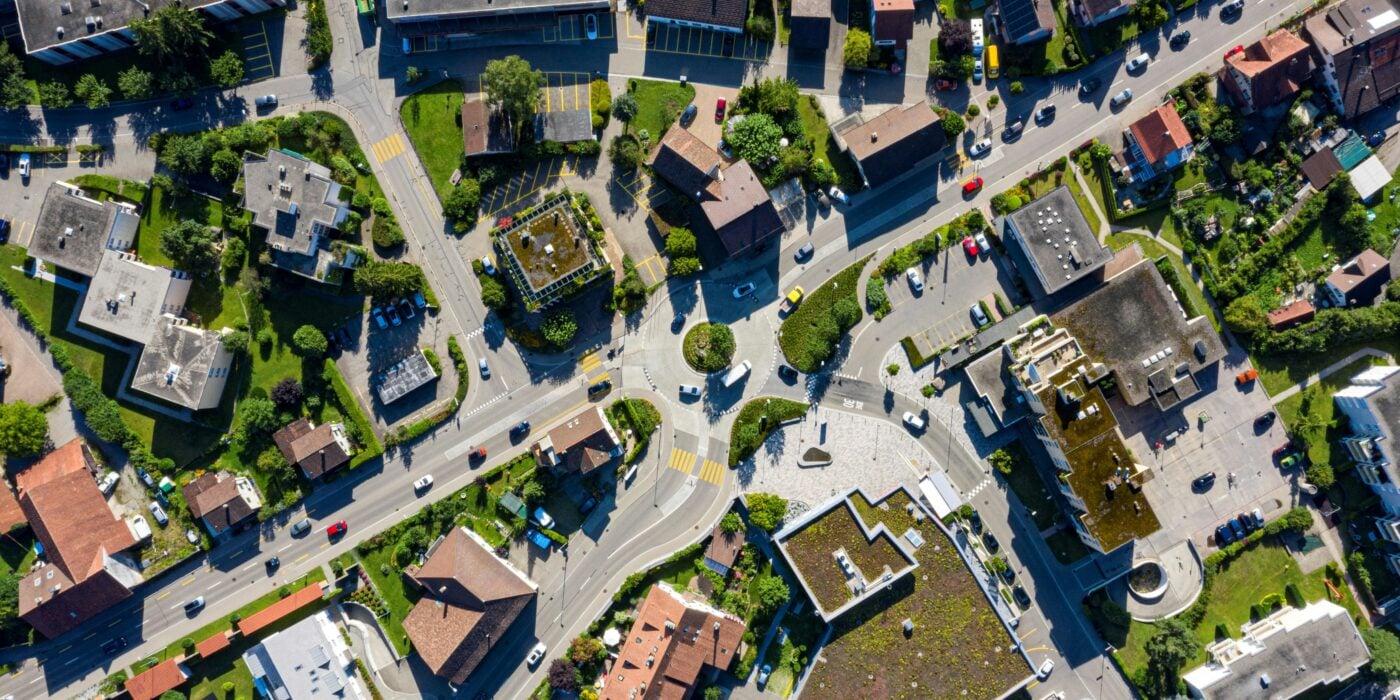
An aerial view of houses surrounding a road featuring a roundabout

The Shift From Compliance to Commercial Strategy

Many live S106 agreements were negotiated under very different market conditions. Since then, the sector has seen major shifts in build cost, funding cost, sales rates and policy direction. Yet agreements are often still treated as fixed cost commitments rather than commercial positions that can be actively managed.

In practice, we regularly see:

  • Infrastructure triggers that no longer align with real build programmes
  • Contributions secured for infrastructure that has since been funded through other routes
  • Viability assumptions that no longer reflect current market reality
  • Overlap between S106 and CIL requirements
  • Legacy drafting that creates unnecessary cost or delivery risk

Across multi site portfolios, these inefficiencies can translate into millions of pounds of avoidable cost.


Why the HBF Refresh Matters

The fact that the HBF has revisited this issue two years on is significant. It reinforces that this is not a short term reporting anomaly. It is a structural issue within the system.
If billions of pounds are still sitting unspent years after collection, it strengthens the case for developers to revisit existing obligations and test whether they still meet the legal tests of necessity, proportionality and direct relationship to development.

It also strengthens the commercial argument in negotiations with authorities who are under increasing pressure to demonstrate delivery.

Claw-back: The Overlooked Opportunity

One of the most underused areas of S106 value recovery is claw-back.

Many agreements contain mechanisms that allow funds to be returned if they are not spent within defined timeframes or if specified infrastructure is not delivered. However, these clauses are often poorly understood, inconsistently monitored or simply not activated.

This is a core area we specialise in.

Our work includes:

  • Identifying dormant or approaching expiry contribution pots
  • Auditing agreements to confirm claw-back eligibility
  • Building evidence to support repayment or reallocation
  • Managing engagement with authorities to secure return of funds
  • Integrating claw-back recovery into wider commercial strategy

For clients, this can unlock immediate capital recovery alongside longer term obligation optimisation.


Planning Expertise Plus Commercial Insight

  • Unlocking value from S106 is not just a legal or planning exercise. It requires a combined approach.
  • Planning expertise is needed to navigate modification routes, policy positioning and negotiation strategy.
  • Commercial insight is needed to understand funding structures, viability pressure points, cashflow timing and delivery risk.
  • By bringing both together, S106 moves from being a fixed cost line into an actively managed commercial lever.
A Brookbanks site plan of the Bourn Airfield development

The Opportunity for Developers

With policy shifting, authorities under pressure to deliver and evidence now showing long term under deployment of contributions, there is a clear window for proactive review.

Developers who audit and challenge legacy obligations now are typically achieving:

  • Direct contribution savings
  • Improved payment timing and cashflow
  • Removal of redundant obligations
  • Reduced delivery risk
  • Capital recovery through claw-back

The key point is simple. S106 should not be treated as static. It is a live commercial instrument that, when properly reviewed, can unlock real value.

Get in touch with Tori Hall our Development Management Group Director or Ben Wakeling our Head of Cost & Commercial, if you’d like to talk through any of your projects and how we can assist with gaining claw-back.

Ben Wakeling, Head of Cost and Commercial at Brookbanks
Head of Cost and Commercial

Ben Wakeling

Read Profile
Tori Hall, Group Director at Brookbanks
Group Director for Development Management / Head of Yorkshire and North East Office

Tori Hall

Read Profile

We’re always happy to share further insight and lessons learned across a wide range of project types. For more specific information on S106 Agreements have a look back on our webinar.

Section 106 Contributions: Purpose & Recovery

More News

An aerial view of a Brookbanks construction site.

Brookbanks Webinar: De-risking Infrastructure Design

February 18, 2026

Earlier this month, we hosted a lunch-time webinar exploring how infrastructure design can be strengthened well before construction begins. Led by our Civil Engineering specialists Ryan Meade and Toby Crayden, the conversation focused on the practical steps that help to reduce uncertainty and make the transition from design to delivery smoother and more predictable. Their session looked at the real‑world challenges that commonly appear between early drawings and activity on site. Ryan and Toby shared their experience of how early awareness, clearer coordination and the right conversations at the right time can make a measurable difference to project outcomes.

Read More
A Brookbanks site plan of the Bourn Airfield development

Bourn Airfield: Delivering Commercial Certainty for a New Community in Cambridgeshire

February 14, 2026

At Brookbanks, we understand that large‑scale new settlements only succeed when commercial thinking, engineering insight and planning strategy are fully aligned from the outset. On sites such as Bourn Airfield, the scale with challenging ground conditions, major infrastructure requirements, extensive SuDS networks and long‑term planning pathways, every technical decision has a financial, phasing and delivery implication. This article explores how our one integrated Brookbanks team managed those interdependencies across this large multi‑phase development, and how our cost & commercial specialists in particular helped maintain certainty on such a complex project.

Read More