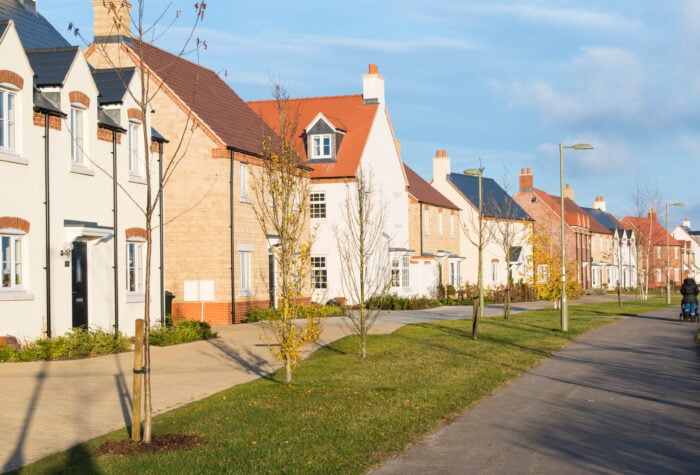
Affordable Housing: A Positive Outlook with Challenges to Navigate
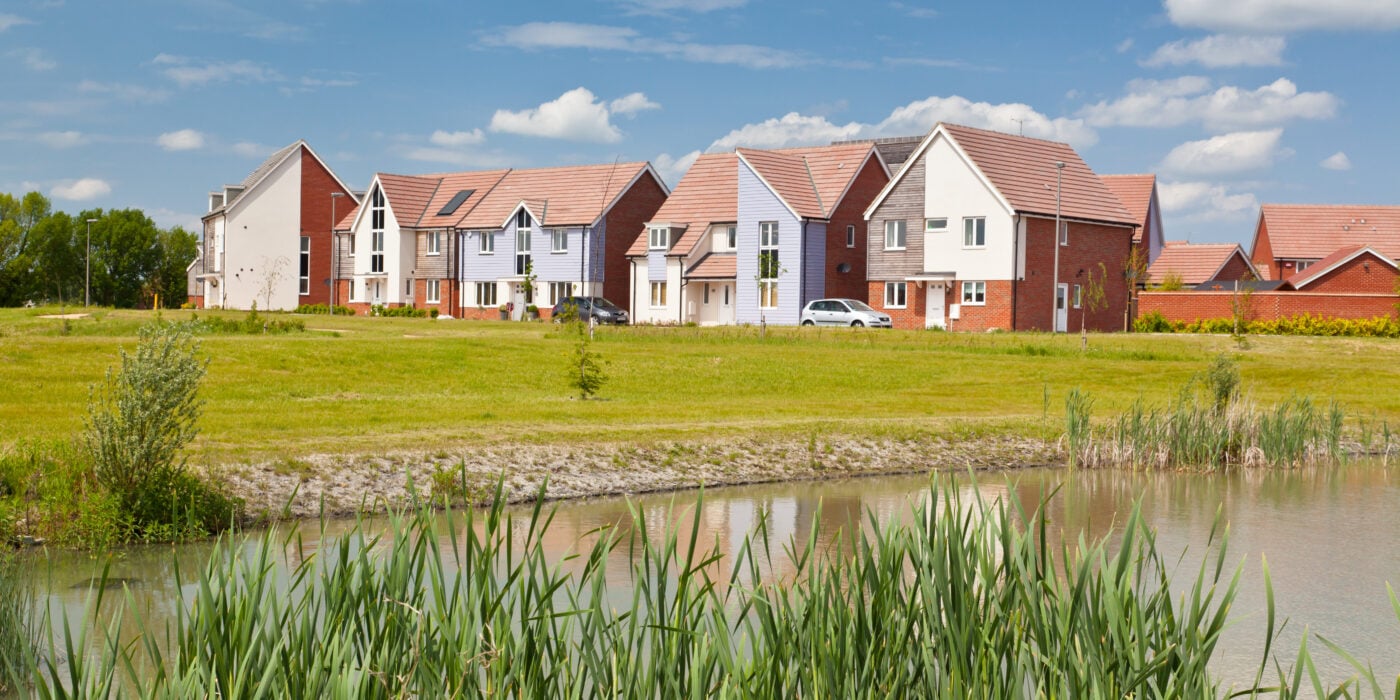
As many Housing Associations and Registered Providers are taking stock of housing completions and future development plans, it's a fitting moment to reflect on the evolving landscape of the affordable housing sector—one that presents both opportunities and ongoing challenges.
A Welcome Boost from Government:
The Government’s recent commitment of £2bn to accelerate the delivery of 18,000 affordable homes has provided a much-needed injection of confidence and momentum. It’s a significant step forward that could unlock a wave of progress for the sector.
Positive Signals for Investment:
Amid wider economic turbulence—particularly from recent tariff-related shocks—the affordable housing sector is increasingly viewed as a stable and attractive destination for institutional investment.
Additionally, planning reforms under the new Planning and Infrastructure Bill aim to simplify and streamline the development process, creating further opportunities for housing delivery.

Key Challenges Remain
Despite this positive backdrop, several headwinds persist:
- High Construction Costs: While build cost inflation has eased since the post-Covid peak, global economic and political pressures suggest further increases are likely. Some short-term relief may come from improved access to construction materials from Asia.
- Viability Pressures: The combination of rising construction costs and borrowing rates continues to challenge scheme viability for many Registered Providers.
- Labour & Material Shortages: Structural issues in the construction supply chain, particularly in residential development, persist. While Modern Methods of Construction (MMC) offer solutions, recent setbacks have highlighted the risks.
- Section 106 Schemes: Ongoing concerns around the viability of S106 agreements are contributing to a slowdown in affordable housing delivery.
- Legacy Costs: Providers are also contending with major financial commitments around damp and mold remediation, sustainability upgrades, and fire safety compliance—diverting funding away from new developments.

Brookbanks Services
Looking Ahead...
At Brookbanks, our multidisciplinary residential team is here to help affordable housing providers navigate these challenges and unlock new opportunities. We support our clients at every stage of the development lifecycle, offering expertise in:
What we offer…
We also offer access to off-market site opportunities and can facilitate joint ventures to bring complex developments to life.
If you’re looking to maximise your affordable housing delivery in the year ahead, our team is here to help.
Reach out to Richard Quarry, our Affordable Housing Lead, at Richard.Quarry@brookbanks.com to start a conversation or take a look at our Cost and Commercial Group for more information.

Check out our team!
Cost & Commercial Group
Speak to our team of experts!

Group Director of Cost and Commercial
Anthony Brown
Read Profile
Head of Cost and Commercial
Ben Wakeling
Read Profile
Senior Cost Consultant
Ismail Ali
Read Profile
Principal Commercial Consultant
Jaskaran Singh
Read Profile
Graduate Cost Consultant
Shiv Raja
Read ProfileMore News
Podcast #18: Design of Transfer slabs and efficient structures
June 2, 2026
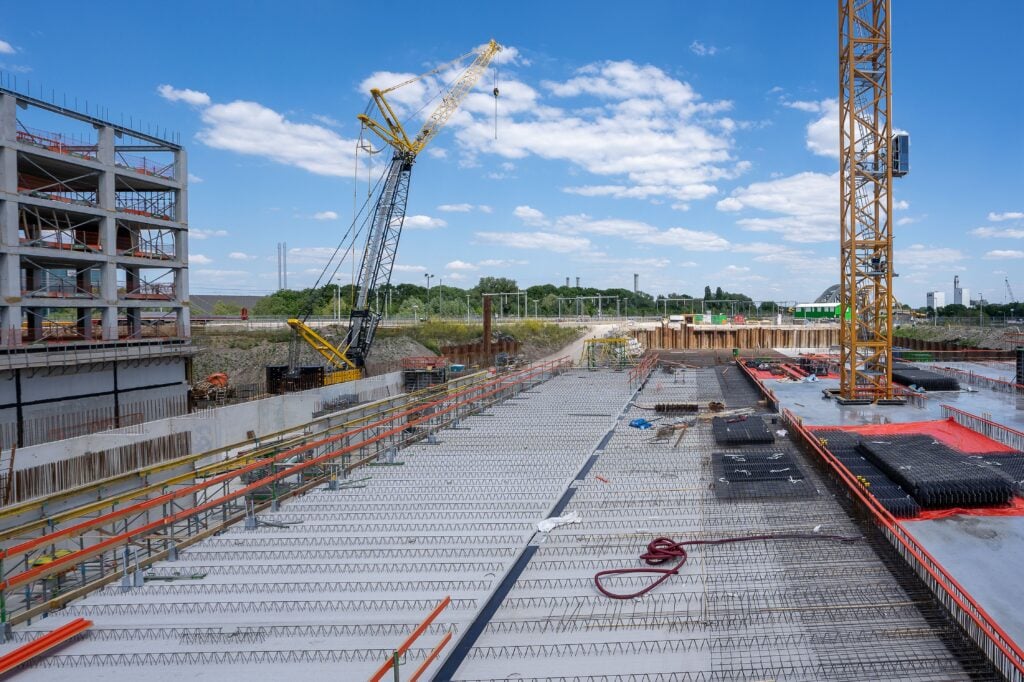
As development sites become more constrained and expectations around multi-use building designs continue to rise, structural engineering choices are playing an increasingly important role in successful delivery. In our latest podcast, “Design of Transfer slabs and efficient structures,” Ben is joined by Chris Vivian and Devi Varatharajan to explore current industry trends in concrete design. The discussion focuses on how transfer slabs impact construction efficiency, carbon footprints, and why early-stage engagement is critical to optimizing building design.
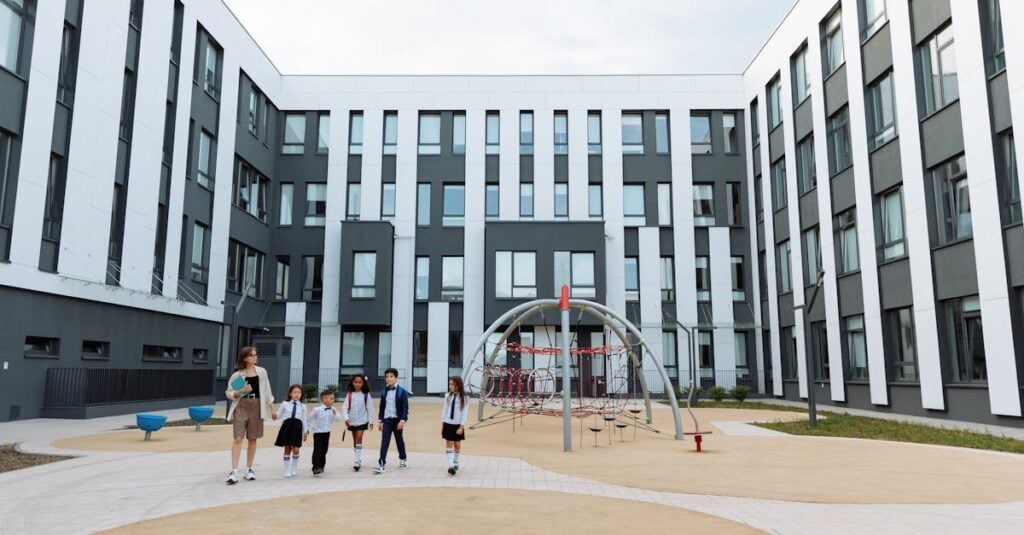
Delivering Education Infrastructure: Direct Delivery or Section 106 Contributions?
May 22, 2026
Education facilities play a vital role in shaping successful residential communities. Alongside providing essential school places for growing populations, they help create well-connected neighbourhoods, support long-term community wellbeing and contribute positively to placemaking outcomes. For developers bringing forward significant housing schemes, deciding how education infrastructure obligations should be delivered is rarely straightforward. In most cases, this involves either directly delivering a new education facility as part of the development, or making a financial contribution through a Section 106 Agreement to support provision elsewhere. Each approach carries implications for cost, programme, planning strategy and the long-term success of the development.