Skip to content
Close-up photo of red and green Monopoly game houses on a reflective surface.

When it comes to large-scale development, policy is the easy part. The real challenge? Turning planning requirements into deliverable masterplans that survive detailed design and actually work on the ground. That was the focus of our recent webinar, where we shared practical insights from the Brightwell Lakes project near Ipswich, a 2,000-home scheme shaped by complex ground conditions, mineral extraction, and sensitive transport corridors.

The Challenge

Big sites often fall into the same trap: technical teams are brought in too late, assumptions harden, and redesign loops eat time, money, and credibility. Our goal was to show how early integration of technical strategy can cut risk and unlock value.

The best schemes do three things: 

  • The development vision and the technical strategy are set together, not months apart.
  • Transport, drainage, utilities, ground, noise and air quality are looked at as one system, not seven separate reports.
  • Every big decision is tested against one question: “Will this actually work on the ground and survive detailed design?”


labyrinth, freedom, orientation, communication, confusion, challenge, decision, way out, labyrinth, labyrinth, labyrinth, labyrinth, labyrinth, confusion, confusion, challenge, decision

Case Study: Brightwell Lakes

This wasn’t about writing reports. It was about structuring a new community that could actually be built. Three key moves made the difference:

  1. Challenge Assumptions Early
    By testing traffic assumptions upfront, we avoided over £8 million in unnecessary off-site highway upgrades. A clear movement strategy tied to the masterplan kept mitigation focused and proportionate.
  2. Turn Constraints into Advantages
    Working with Brett Aggregates, we aligned mineral extraction with housing phases. This saved millions in re-landworking and shaved months off the programme-housebuilders arrived to serviced, build-ready platforms.
  3. Design for Delivery from Day One
    We shaped streets, parcels, and utilities around real constraints, ensuring the outline consent translated smoothly into detailed design. For housebuilders, that meant fewer surprises and faster starts.

Four Rules for Your Next Scheme

  • Challenge assumptions early, don’t accept worst-case traffic models.
  • Integrate minerals and ground strategy into your phasing plan.
  • Make your technical team own the whole picture, avoid siloed reports.
  • Bake detailed design thinking into the outline stage to prevent costly redesigns.

Follow these rules and you’ll protect capacity, value, and credibility, while giving LPAs confidence in your scheme.

A strategic arrangement of colorful pawns connected on a game board, symbolizing networking and teamwork.

Want to Learn More?

If you’re wrestling with off-site costs, complex ground conditions, or delivery risks, Brookbanks can help. We know where the big wins are, and how to make policy work on the ground.

Watch the full webinar to learn more.

A picture of Holly Welch. A woman in her 30s with straight brown hair and brown eyes, wearing a brown jumper.
Associate Director

Holly welch

Read Profile
Lee Witts, Group Director at Brookbanks
Group Director for Land, Development and Communities

Lee Witts

Read Profile

More News

three electric vehicle chargers attached to a red brick wall in an outside car park

Delivering EV Charging Infrastructure: Helping Developments Meet Today’s Demands and Tomorrow’s Expectations

February 25, 2026

At Brookbanks, we know EV charging becomes far more manageable when it’s approached as part of a wider development picture rather than an isolated task. Rising regulatory demands, limited capacity, cost pressures and the realities of underground or enclosed parking all interact in ways that can affect programme, viability and long‑term performance. This article looks at the recurring challenges we see across residential, commercial and mixed‑use projects and the practical steps that help developments meet Part S requirements, manage grid limitations, integrate load‑balancing and smart‑charging systems, and plan for solar PV and battery storage. The aim is to provide clear, grounded insight that helps teams design EV strategies that genuinely stand up to modern development demands.

Read More
A street of Brookbanks residential houses

Our February 2026 Newsletter

February 23, 2026

Welcome to our February 2026 newsletter. In this issue, we will be sharing what’s been happening over the past month, including our two new podcasts highlighting the common pitfalls around S278 and S38 highway approvals, and what the Planning & Infrastructure Bill means for developers in England and Wales, with special guest Mark Harris from HBF Wales. We’re also looking back on our latest article, which explored how unspent S106 and CIL funds create opportunities to review, challenge and optimise legacy obligations, and why combining planning expertise with commercial insight is key to unlocking value. Plus, we are rounding off by showcasing one of our team's achievements.

Read More
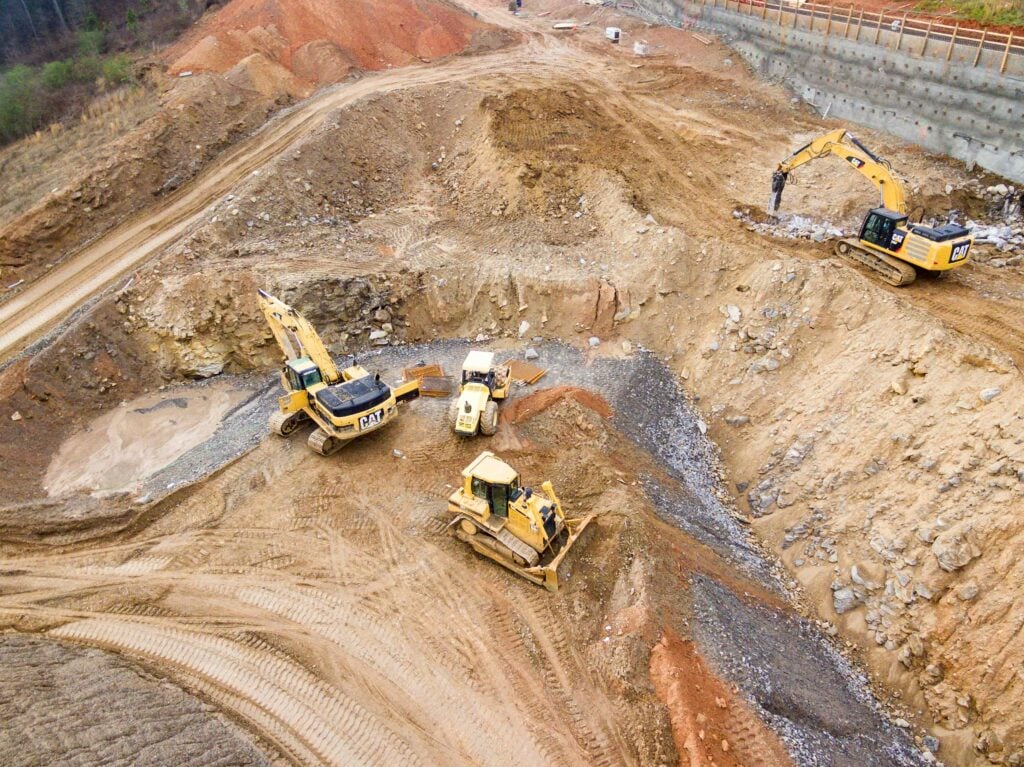
An aerial view of a Brookbanks construction site.

Brookbanks Webinar: De-risking Infrastructure Design

February 18, 2026

Earlier this month, we hosted a lunch-time webinar exploring how infrastructure design can be strengthened well before construction begins. Led by our Civil Engineering specialists Ryan Meade and Toby Crayden, the conversation focused on the practical steps that help to reduce uncertainty and make the transition from design to delivery smoother and more predictable. Their session looked at the real‑world challenges that commonly appear between early drawings and activity on site. Ryan and Toby shared their experience of how early awareness, clearer coordination and the right conversations at the right time can make a measurable difference to project outcomes.

Read More