Skip to content
channel, watercourse, drainage, nature, bach, forest, trees, stream, fall, drainage, drainage, drainage, drainage, drainage

In this episode of the Brookbanks Podcast hosted by Ben Wakeling, guests Paul Coombs, Senior Civils Engineer and Andrew Wilkinson, Director, share their experience and reflections on the evolving landscape of Sustainable Drainage Systems (SuDS).

Understanding SuDS: What, Why & Where

SuDS are designed to replicate natural drainage processes, offering a more sustainable alternative to traditional underground systems. Andrew encourages listeners to explore the evolving regulations such as the National Standards for SuDS (updated July 2025), and compares England’s position to the journey already travelled in Wales, with concepts such as SuDS Approval Bodies (SABS) being in place.

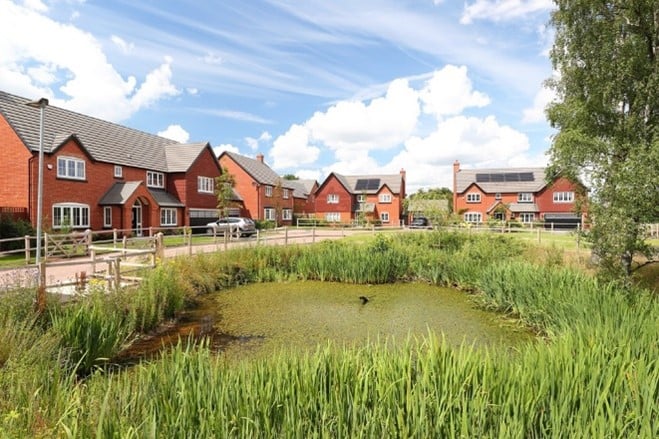
Guidance highlights how SuDS can deliver multiple benefits, improving water quality, enhancing amenity, and supporting biodiversity, while managing flood risk. Essentially, Engineers/Designers want to mimic nature in providing flood protection through use of SuDS, rather than defaulting to concrete or underground “traditional” drainage in order to provide multiple benefits to water quality and amenity and not just dealing with water volumes.

Commuted Sum Costing: A Persistent Challenge

One of the key barriers to SuDS adoption is the commuted sum, the financial value assigned to assets handed over for long-term maintenance. Paul notes that while designers have tools to cost schemes, inconsistent rates and under-utilisation of software often leave this task to commercial teams. He proposes the development of an online calculator to provide consistent, realistic values for SuDS assets, potentially linked to carbon costing tools to support sustainable decision-making.
Adoption & Maintenance: Bridging the Gap

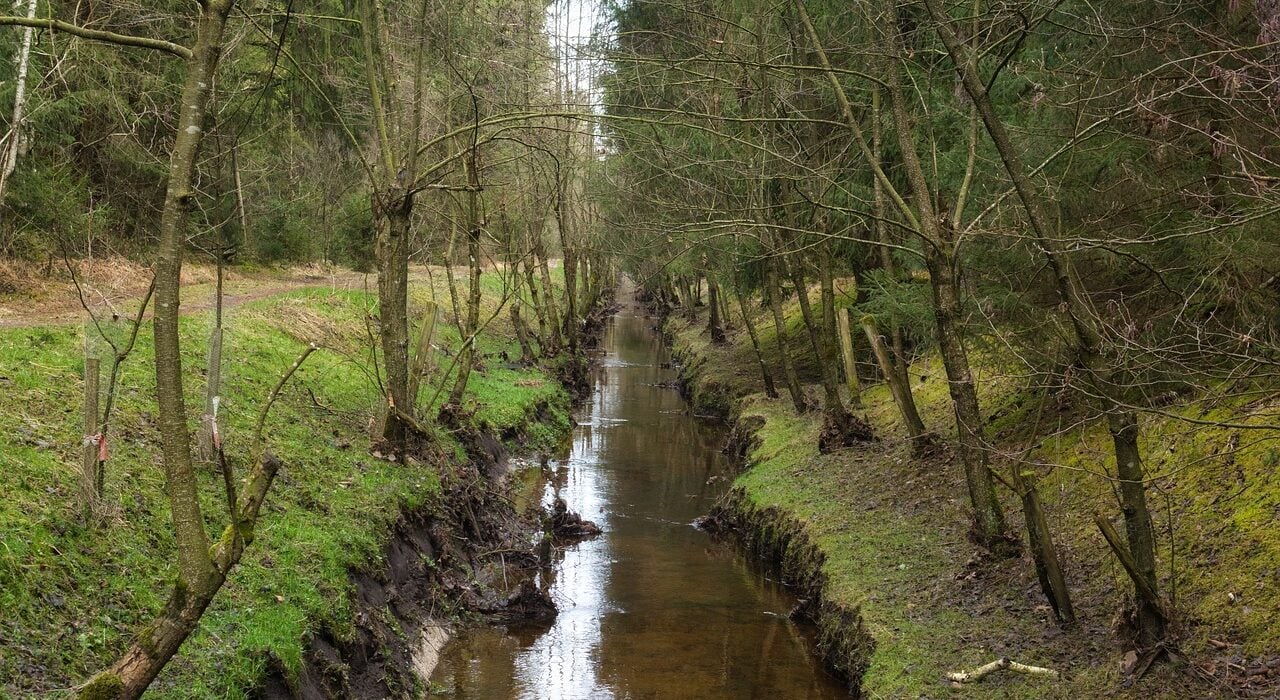
SuDS offer clear benefits to communities and ecosystems, having well maintained watercourses that convey water through catchments allows for wildlife to flourish and improved water quality. But their maintenance requirements can be a sticking point. Traditional drainage systems are easily serviced with standard equipment, whereas SuDS features like swales require different approaches. This can create friction during design reviews, particularly with local authority highways teams accustomed to conventional methods. Education and greater adoption will make these challenges easier to face, as new tools and methods are used.

Looking Ahead: Industry Change & Innovation

While this podcast isn’t a comprehensive training session, it offers valuable insights into the practical realities of SuDS design and adoption. Paul and Andrew’s reflections underscore the need for innovation, collaboration, and consistency in how SuDS are implemented and maintained.

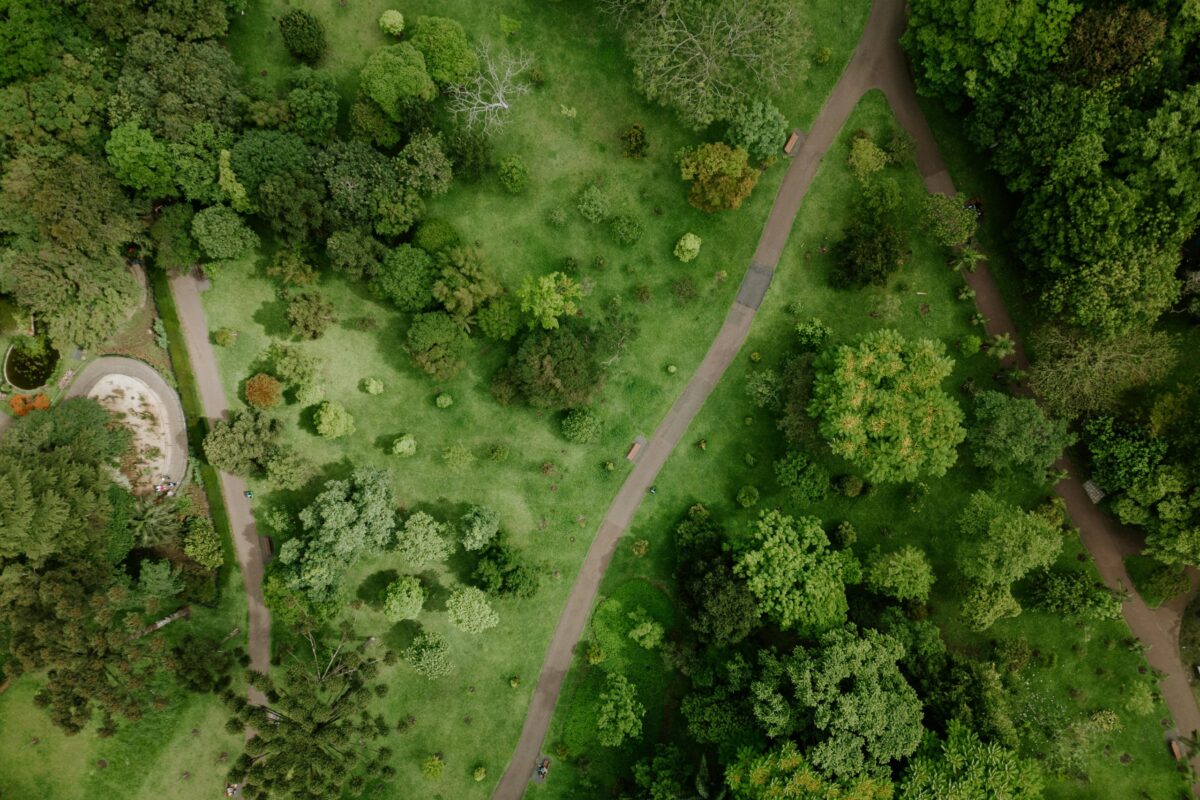
Top view of vibrant foliage and winding paths in a park in Curitiba, Brazil.

Listen Now!

Whether you’re a drainage engineer, developer, or simply interested in sustainable infrastructure, this episode offers practical insights and forward-thinking ideas from two of Brookbanks’ leading experts.

Members on the Podcast

Andrew Wilkinson, Director and Head of Wales Office at Brookbanks
Director

Andrew Wilkinson

Read Profile
Ben Wakeling, Head of Cost and Commercial at Brookbanks
Head of Cost and Commercial

Ben Wakeling

Read Profile
Senior Civil Engineer

Paul Coombs

Read Profile

More News

The Risk of Stalling Healthcare Projects

May 12, 2026

The Risks Stalling Healthcare Projects There's a version of every healthcare project that looks deliverable on paper. The site sits within the right catchment. It's in the strategic outline case. The ICS has signed off on the clinical model, the architects have done something genuinely thoughtful with the brief, and the project team is cautiously optimistic about hitting the OBC submission window. Then the ground investigation comes back… or the highways authority raises a junction capacity objection that nobody reviewed thoroughly during site selection. Or the drainage strategy is finalised two weeks before the planning committee, and the mitigation required has discreetly added seven figures to a capital budget that is already full of assumptions. This might be “just how things are”, but it’s important to remember that healthcare projects carry specific consequences that a delayed commercial scheme may not have.

Read More

Mitigating the Impact of Global Uncertainty

April 30, 2026

Rising geopolitical tension does not affect development viability in isolation, but through increasing pressure on energy prices, supply chains and the cost of energy‑intensive materials. Where schemes are progressed on assumptions made under more stable conditions, these pressures can quickly challenge margins, appraisals and deliverability, particularly in a flat housing market. Our article looks at how developers can respond to build cost volatility in a more informed and proportionate way. Drawing on our specialists' experience, it explores how early coordination, design‑led value engineering and integrated decision‑making can help manage cost risk, protect scheme viability and avoid short‑term measures that compromise long‑term quality and value.

Read More