






Skip to content
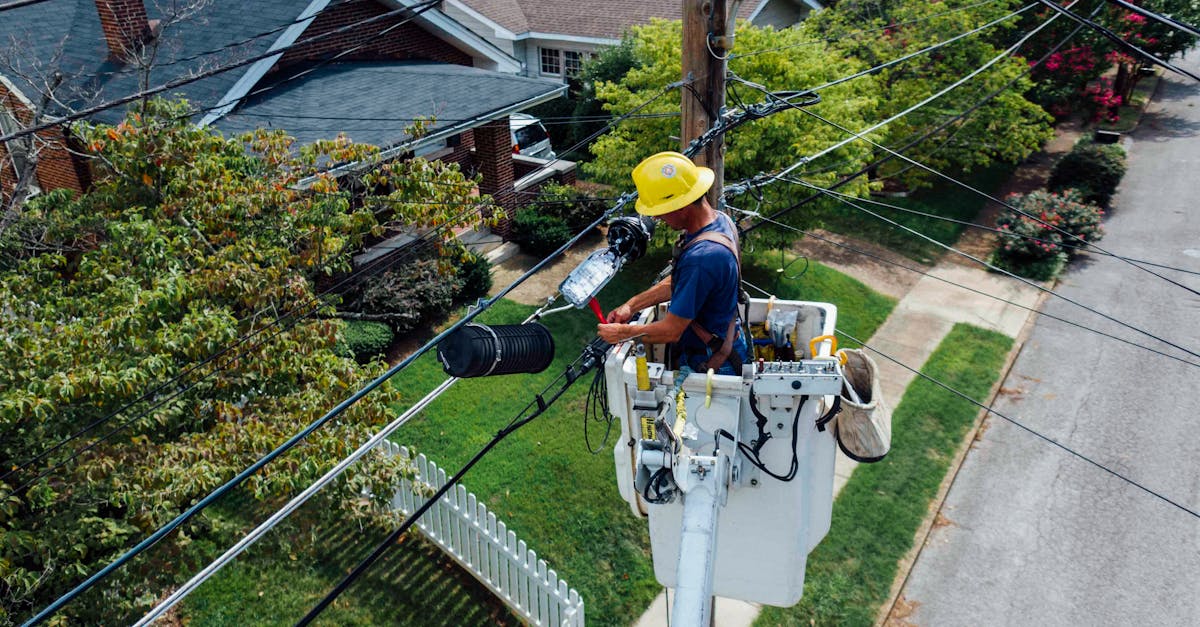
Electrician in a bucket lift repairing power lines from a utility pole in a suburban neighborhood.

Utility infrastructure is a critical component of any development project, yet it’s often one of the most complex and time-sensitive elements to manage. To help clients navigate this challenge, we asked members of the Brookbanks team to share their top tips for ensuring successful integration of utilities into development sites. Here’s what they said...

Engage with us Early

Nicole Harrison, Principal Utilities Consultant

“Engaging with us early will allow us to advise on the existing utilities infrastructure across a site. This will feed into the masterplan and identify any constraints, such as HC send off distances. It also put costs against any required diversions due to the existing infrastructure.”


Engage Early with Utility Providers

Caroline Gavin, Principal Utilities Consultant
“Early engagement with utility providers is essential. Establishing points of connection at the outset helps avoid costly delays and ensures that your development programme stays on track. The sooner you start these conversations, the better prepared you’ll be to manage time and cost risks.”

Male and female construction workers talking with safety gear at an outdoor site.

Build Strong Relationships with ICPs and IDNOs

Danny Lloyd-Jones, Associate Utilities Director
“Independent Connection Providers (ICPs) and Independent Distribution Network Operators (IDNOs) can offer competitive solutions for new infrastructure. Building strong relationships with these partners ensures you achieve best value and identify the most efficient options during tendering.”


Manage Utility Contracts Throughout the Lifecycle

Mat Capper, Director of Utilities
“Utility integration doesn’t end once contracts are signed. Continuous management is vital to ensure costs and capacities are effectively distributed across development parcels and remain aligned with the original appointment. Ongoing oversight helps maintain control and avoid surprises.”


Close-up of a handshake between two professionals in a modern office setting, emphasizing partnership and agreement.

Start Utility Work Early

Tobi Heng, Associate Utilities Director
“Starting utilities work early around the masterplan stage is great at helping de-risk a site. This also allows consideration of new technologies like micro-grids and district heating.”


Undertake Detailed Surveys

Robert Batsford, Principal Utilities Engineer
“Undertaking detailed surveys, such as information on GPRs and Trial holes, is important to make sure services are where they say they are.”


Look at Available Capacity

Adam Melia, Senior Utilities Consultant
“There are often many constraints in capacity, so looking at all available capacity will help get more accurate timescales for projects while reinforcement works are being undertaken.”

How Brookbanks Can Help

Our team specialises in utility strategy and delivery, working closely with clients to integrate infrastructure seamlessly into development plans. From early engagement and searches to contract management and stakeholder coordination, we provide end-to-end support to keep your project moving.

Want to learn more? Get in touch with one of our utilities specialists to discuss how we can help you optimise integration for your next development.

Team Members Featured

Senior Consultant – Utilities

Adam Melia

Read Profile
Danny Lloyd-Jones, Associate Utilities Director at Brookbanks
Associate Utilities Director

Danny Lloyd-Jones

Read Profile
Mat Capper, Director of Utilities at Brookbanks
Director of Utilities

Mat Capper

Read Profile
Principal Utilities Consultant

Nicole Harrison

Read Profile
Associate Utilities Director

Tobi Heng

Read Profile

More News

construction site, crane, construction machinery, construction work house construction, construction site, construction site, construction site, construction site, crane, crane, crane, crane, crane

Making High Rise Developments Deliverable

April 17, 2026

High‑rise developments rarely fail through lack of ambition, but through risks that are identified too late. When planning, infrastructure, fire strategy, servicing and buildability are treated as separate exercises, schemes often look strong in concept but weaken rapidly at delivery, leading to redesign, delays and value erosion. This article explores why early, joined‑up thinking is essential for tall buildings, and how front‑end due diligence and integrated strategy can reduce risk, protect viability and create schemes that are genuinely deliverable.

Read More
Brookbanks project at pre-build stage with diggers preparing the ground.

Why Foundation Strategy is a key for Infrastructure Delivery

April 3, 2026

Ground conditions remain one of the biggest sources of cost, carbon and programme risk in infrastructure delivery, yet foundation strategy is still too often considered too late. When layouts and levels are fixed before the ground is understood, projects lose the chance to shape efficient, predictable outcomes. This article explores why early, ground‑led design matters and how treating foundation strategy as a front‑end decision can unlock clarity, reduce risk and improve overall project performance.

Read More