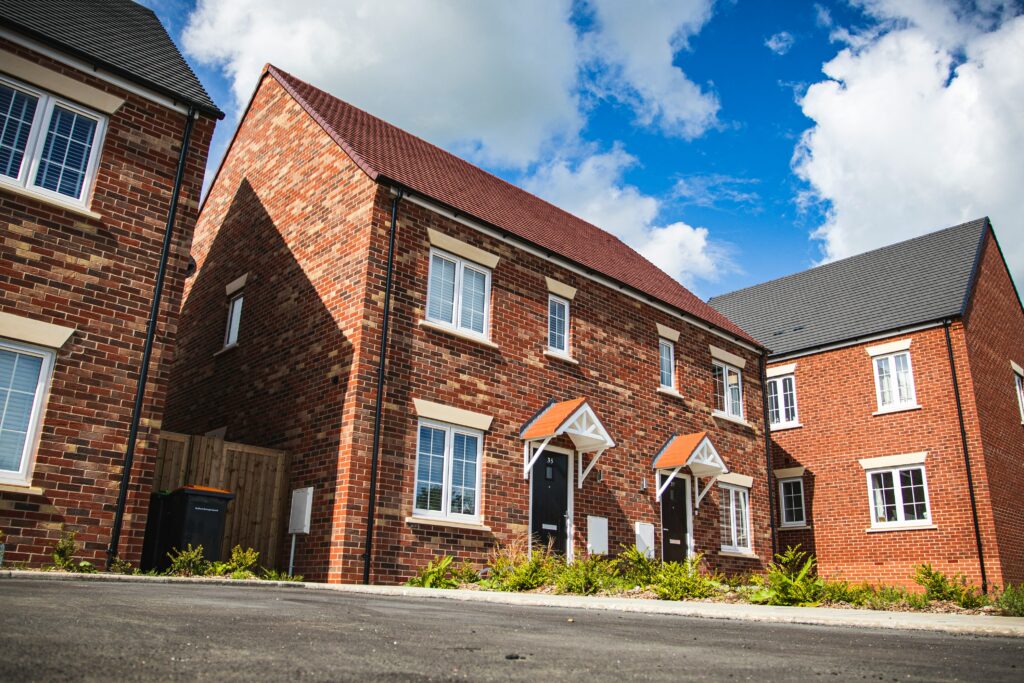
BREEAM New Construction v7 – What You Need to Know

The Building Research Establishment (BRE) is preparing to launch BREEAM New Construction v7 in Summer 2025 — the most significant update in recent years. The changes strengthen the focus on whole-life carbon, resilience and operational performance, while better aligning with international sustainability frameworks.
For developers, planners and project teams, understanding these updates early will be critical to securing the right rating and avoiding rework.
Why the change?
BREEAM has long been the leading method for assessing building sustainability, influencing planning outcomes and investment decisions. With climate targets tightening and new demands for resilience, v7 aims to ensure projects deliver real performance — not just compliance — over their lifecycle.
Headline changes in BREEAM NC v7
-
“Simple Buildings” assessment type removed – all projects will now follow a full pathway.
-
Embodied carbon front and centre – Mat 01 weightings increased and applied more widely across schemes.
-
Predictive energy modelling required – new standards in Ene 01 & Ene 02 raise the bar for design-stage analysis.
-
Outstanding rating tougher – Shell-Only projects can no longer achieve Outstanding due to operational energy uncertainty.
-
Water use carries a carbon factor – linking water efficiency to whole-life carbon.
-
Revised weightings and rating boundaries – thresholds for Pass and Good lowered slightly; greater focus on energy and carbon performance.
What this means for your project
The changes will likely require more front-loaded planning. Early design decisions on structure, energy strategy and materials will be essential to meet higher credit thresholds. Coordination between architects, engineers, contractors and sustainability consultants will need to start earlier to avoid missed opportunities.
Our perspective
At Brookbanks, we see v7 as an opportunity to embed sustainability deeper into the development process. Our experience shows that early BREEAM AP involvement not only protects ratings but can also unlock cost savings, planning advantages and reputational benefits. As we are licensed by BRE to deliver BREEAM assessments and advice, we are perfectly placed to support your projects.

Meet our LDC Team

Technical Director, Land, Development and Communities Group
Dr Richard Boyle
Read Profile
Group Director for Land, Development and Communities
Lee Witts
Read Profile
Director of Utilities
Mat Capper
Read ProfileMore News

Our July 2026 Newsletter
August 17, 2026
This month, we’ve continued to explore many of the key themes currently influencing the built environment, from sustainable drainage and climate resilience through to structural efficiency, site disposal and long-term project performance. A particular highlight from the past month was the publication of our new report, written in conjunction with the Home Builders Federation (HBF), examining Sustainable Drainage Systems and the opportunities we’ve identified in Wales to support greater consistency, certainty and efficiency ahead of guidance becoming legislation across England. This month, we also shared some exciting leadership news as we continue to grow and evolve following our recent partnership with CBPE. Plus, read on to take a look back at our latest thought leadership article covering development viability, as well as three podcast episodes from the past few weeks.