








Skip to content
bridge, stone bridge, bordeaux, coat of arms, napoleon, france, vacations, blue hour, evening atmosphere

At Brookbanks, we know that time and budget are often the defining factors in any project. That’s why we focus on delivering timely, value-driven outcomes through smarter design strategies.

Here are four key decisions you can make early in a project to help avoid costly delays and overruns later down the line:

1. Early Site Investigations 

Early investigations, like geotechnical surveys and ecology assessments, are essential for understanding site conditions from the start. They allow us to: 

  • Identify risks and constraints early 
  • Understand the engineering properties of the site 
  • Develop accurate, efficient designs that avoid over-engineering 

Getting this right from day one can save significant time and rework down the track. 

Two workers in safety vests and hard hats walking on a sandy construction site.

2. Early Council Engagement 

Every project will eventually need council approval. Engaging with councils early allows you to: 

  • Understand their expectations and requirements 
  • Align designs across the client, designer, and local authority 
  • Reduce delays in the review and approval process 

Many councils now offer pre-application services, which we’ve successfully used to save our clients both time and money.

Take a look at our real-world example below! 

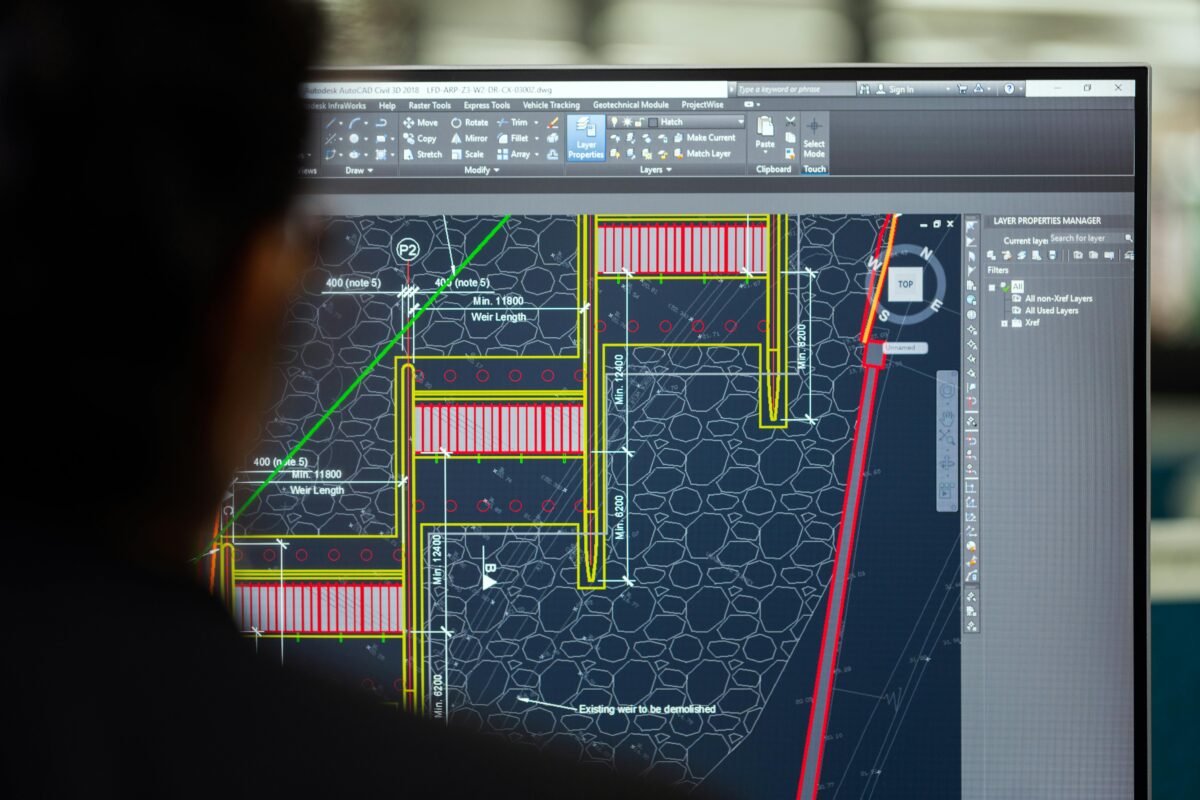
A civil engineer working on a weir design using CAD software on a computer screen in an office setting.

3. Preliminary 3D Modelling 

A preliminary 3D model doesn’t just help visualise the final outcome, it also: 

  • Supports faster, more accurate design development 
  • Helps plan material balance and on-site logistics 
  • Informs smarter construction sequencing 

This early step brings major benefits to both design and delivery phases. 

Webinar - Value Enhancement in Civil Engineering
A close-up image of a freshly plowed farmland in springtime, ready for new crops.

4. Early Principal Contractor Engagement 

Bringing your Principal Contractor into the project early offers insight into constructability and logistics. This can: 

  • Minimise costly RFIs and redesigns later 
  • Inform site access, material storage, and build sequencing 
  • Support a smoother and more efficient construction phase 

We explored the benefits of early engagement in our recent Value Enhancement in Civil Engineering webinar.

Watch the Webinar
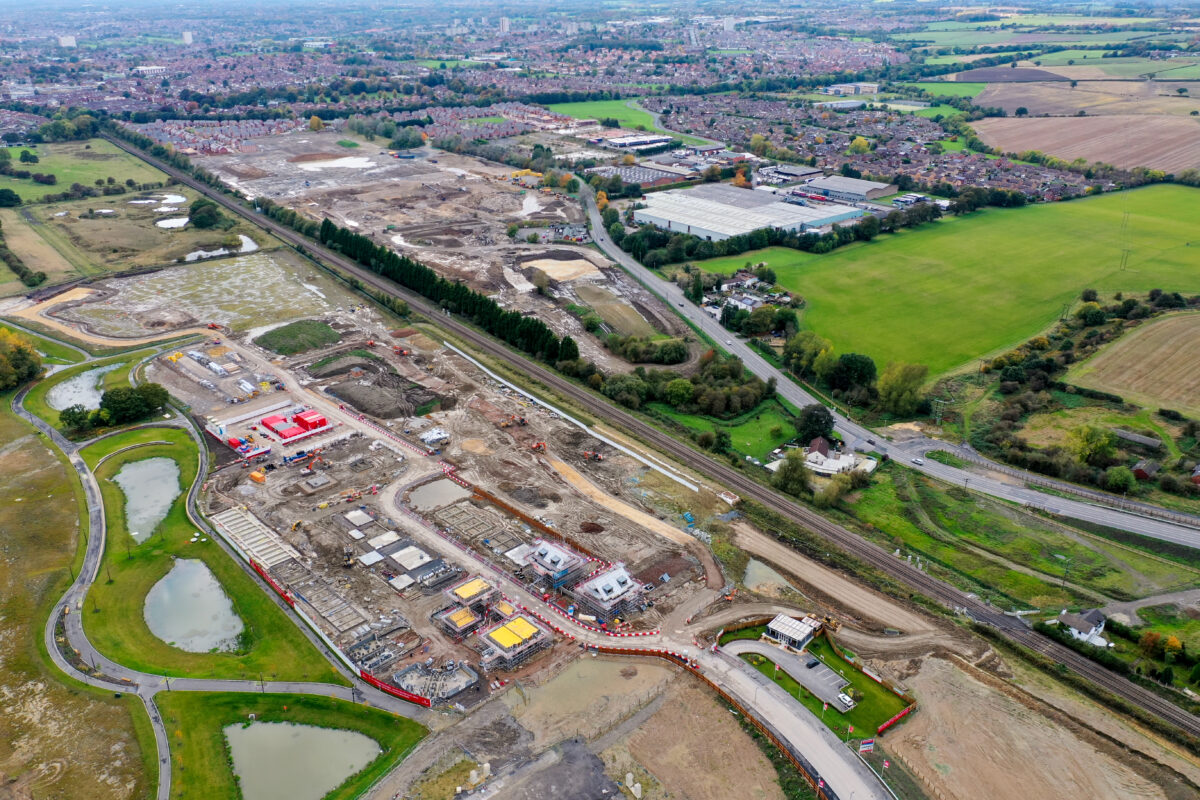
An aerial vie of a building site in its early stages with roadways and machinery on a mud base

Real-World Example: Saving Time Through Early Council Engagement 

We were appointed to design a future access road under a Section 278 scheme. Rather than waiting until later in the process, we created a preliminary layout early on focused on high-level design elements without overcomplicating the detail.

This allowed us to: 

  • Identify key issues which would require council input 
  • Arrange a site meeting between the council and client 
  • Present our vision and walk through the design rationale on-site 

By helping the council visualise the proposed scheme, we reached early agreement on adoption boundaries and design standards. We also aligned expectations for the formal submission process. 

Result: A fully approved detailed design, in just one submission, saving the client significant time and cost. 

Meet our Civil Engineering team

Principal Engineer

Christian McArdle

Read Profile
Principal Engineer

Phillip Baker

Read Profile
Richard Moorcroft, Group Technical Director at Brookbanks
Group Technical Director

Richard Moorcroft

Read Profile
Ryan Meade, Head of Civil Engineering at Brookbanks
Head of Civil Engineering

Ryan Meade

Read Profile
Siobhan McGlynn, Principal Engineer at Brookbanks
Principal Engineer

Siobhán McGlynn

Read Profile
Siobhan Murphy, Technical Director at Brookbanks
Technical Director

Siobhan Murphy

Read Profile
Tom Mitchell, Technical Director at Brookbanks
Technical Director

Tom Mitchell

Read Profile

More News

Brookbanks project at pre-build stage with diggers preparing the ground.

Why Foundation Strategy is a key for Infrastructure Delivery

April 3, 2026

Ground conditions remain one of the biggest sources of cost, carbon and programme risk in infrastructure delivery, yet foundation strategy is still too often considered too late. When layouts and levels are fixed before the ground is understood, projects lose the chance to shape efficient, predictable outcomes. This article explores why early, ground‑led design matters and how treating foundation strategy as a front‑end decision can unlock clarity, reduce risk and improve overall project performance.

Read More
An aerial view of houses surrounding a road featuring a roundabout

Our March 2026 Newsletter

March 31, 2026

Welcome to our March 2026 newsletter. In this issue, we’ll tell you more about how we help SMEs prioritise what matters, avoid the common financial traps, and get projects moving, backed by our experienced team who have real housebuilding experience. We’re looking back on our March webinar, where Jack Kenny and Paul Rushmer gave an overview of how to optimise mechanical and electrical designs specifically for high-risk buildings. Plus, we’ll highlight this month’s podcasts! The first explored where structural engineering and building services design overlap, and why good coordination is so important to project delivery. In episode two, Hannah Simpson, Fran Walker, and Isabelle Latuszka spoke about their early-career experiences and how diverse backgrounds add real value to projects. Below, you’ll also get to hear about some exciting awards news and an event we’re co-hosting with the LPDF in Manchester.

Read More