
The 2026 Budget: What it means for Housing, Development and UK Growth

Explore how yesterday’s Budget changes the industry landscape for developers, landowners and construction professionals. From tax adjustments to housing and infrastructure priorities, we outline the challenges and positives shaping the sector’s next steps as we move into 2026.
As the sector reflects on yesterday’s Budget announcement, it is clear that this year’s fiscal statement does more than set out tax changes and spending commitments. It sets the tone for the market, shapes sentiment around home-buying decisions, and influences confidence in the delivery of infrastructure and regeneration across the country.
From a Brookbanks perspective, driving sustainable growth depends on two things: stimulating demand and removing structural barriers to delivery. Practical planning reform, efficient legislation and greater clarity around decision-making can all reduce friction in the system, often without requiring additional public spending. By unlocking private capital, accelerating approvals and building certainty into the development process, the government can boost productivity, drive investment and support thriving communities.
Yesterday’s Budget, therefore, represented a pivotal moment. Below, we explore what the announcement means for housing, development, construction and investor confidence.
A Broad-based Fiscal Approach
As anticipated, the Government opted for a broad-based strategy to raise the £26 billion needed next year. Rather than headline increases to VAT or Income Tax, it introduced a series of smaller adjustments across multiple sectors. The intention is to share the burden widely, although the cumulative effect will still be felt by households and businesses.
For the development sector, the picture is mixed, combining welcome steps on supply-side reform with pressures that could dampen demand.

Positive Signals for Delivery
The Budget also provided several encouraging signals for those focused on accelerating delivery, particularly in areas where clarity and long-term commitment are essential to maintaining momentum. One of the strongest messages came through the reaffirmed £39 billion for affordable housing, which offers stability at a time when the sector has been contending with fluctuating demand and tightening viability. Recent government data shows that 64,762 affordable homes were delivered in 2024–25, the highest figure in a decade, including 12,198 social-rent homes, the strongest annual delivery since 2013–14. With 92% of homes completed as new builds, the figures underline that when funding certainty and policy alignment converge, the system can deliver at pace. This provides clear reassurance for developers and partners engaged in mixed-tenure, remediation-led and regeneration programmes.
This sense of underlying momentum is reinforced by the latest Homes England statistics, which point to a steady pipeline of activity. In 2024–25, the agency recorded 38,308 housing starts and 36,872 completions, with 79% of all starts categorised as affordable housing. Notably, starts for social-rent properties rose by 43% year-on-year, reflecting the growing emphasis on meeting acute needs within local communities. While the private sales market remains more constrained, these figures demonstrate the resilience of public-backed delivery, and highlight its increasingly central role over the next two years as the sector balances demand-side pressure with supply-side ambition.
Alongside these delivery indicators, the Budget’s commitment to planning reform and infrastructure-led growth further strengthens the potential for progress. Measures including streamlined routes for nationally significant projects, renewed backing for New Towns, additional funding to boost planning capacity, and a default presumption in favour of development around transport hubs all signal a shift towards a more responsive, coordinated planning environment. If implemented effectively, these initiatives could reduce delays, build certainty into the system, and unlock strategically connected sites well placed to support sustainable, long-term growth.
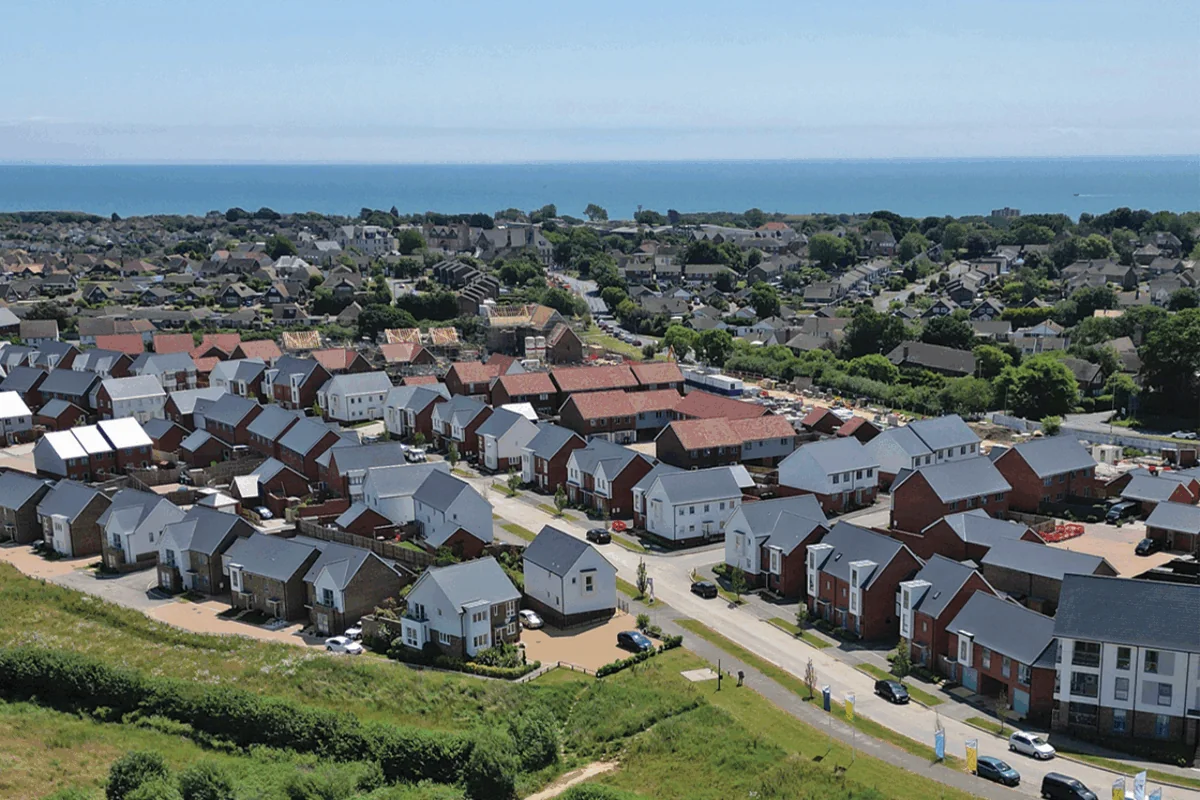
Ongoing Market Challenges
Despite these positive steps, the Budget also highlighted the persistent challenges facing the housing and development sector. While affordable housing delivery has shown strong progress, overall supply remains weak. England added around 208,600 net new homes in 2024–25, the lowest level since 2015–16, underscoring the scale of the gap between current output and the Government’s ambition to deliver 1.5 million homes this Parliament. Achieving this target would require annual delivery to return closer to 300,000 homes a year, something that will be difficult without both demand-side support and a consistently efficient planning system.
Demand-side fragility is a particularly pressing concern. The cumulative effect of tax changes announced yesterday means that most households will have marginally less disposable income. Combined with existing affordability pressures and tighter mortgage lending conditions, this environment continues to challenge first-time buyers and suppress sales rates. Without a dedicated scheme similar to Help to Buy, which historically boosted both demand and build-out rates, private delivery may remain subdued, even where supply-side reforms take effect.
At the same time, pressures in the private rented sector are intensifying. With renters now spending around 36% of their gross income on rent, affordability constraints remain severe, and the additional taxation on property income announced yesterday risks further reducing landlord appetite. Any contraction in rental supply could add further pressure to households already facing limited options.
Across construction, cost pressures and labour shortages continue to shape viability and programme delivery. Although inflation has eased from recent peaks, material costs, skills gaps and productivity challenges still affect many projects, particularly those involving significant infrastructure, ground conditions or complex regeneration. These structural issues reinforce the need for planning efficiency and certainty, which remain critical to investment decisions.

Implications Across the Sector
The combined effect of these opportunities and challenges will play out differently across the market, shaping priorities and delivery models in the months ahead. For housebuilders, ongoing margin pressure within the open-market sales environment is likely to drive greater focus on tenure diversification, strategic land positions, and collaborative partnerships with registered providers and institutional investors. Public-sector demand, multi-tenure approaches and infrastructure-led growth will remain important stabilisers as the industry adjusts to evolving market dynamics.
For developers and regeneration specialists, the policy direction set out in the Budget reinforces the importance of place-based, mixed-use, infrastructure-connected growth. Those able to integrate homes, transport, employment space and community infrastructure into cohesive masterplans will be best positioned to capture emerging opportunities created by planning reform and government-backed delivery programmes.
Meanwhile, investors and funders are likely to continue shifting towards long-term, resilient asset classes. With mortgage-led sales under strain, institutional appetite for Build to Rent, single-family rental, affordable housing, and forward-funded development remains strong. The Budget’s emphasis on stability over radical change is likely to support this trend, providing a platform for continued investment in sectors aligned with long-term demographic and economic needs.

Brookbanks Perspective: What Comes Next
Overall, yesterday’s Budget offers a combination of stability, incremental reform and targeted investment. While it does not remove the sector’s long-standing challenges, it signals a commitment to pragmatic, delivery-focused change, particularly for affordable housing and infrastructure-led development.
The ambition to deliver 1.5 million homes remains stretching. Achieving it will require coordinated action across planning, investment, delivery capacity and demand support. Encouragingly, the uplift in affordable housing activity and the Budget’s emphasis on planning efficiency show that progress is possible but only if policy commitments translate into consistent implementation on the ground.
At Brookbanks, our priority is to help clients navigate this landscape with clarity and confidence. Through coordinated, multidisciplinary expertise, we continue to make complex projects deliverable, unlocking homes, infrastructure, jobs and long-term investment across the UK.
If you’re a developer, housebuilder, landowner or funder and would like to discuss how we can support your projects in the wake of the 2026 Budget, please get in touch at hello@brookbanks.com or reach out to one of the Brookbanks team.
Get in touch with...

Chief Executive
Andrew Thorley
Read Profile
Chairman
Paul Boileau
Read Profile
Chief Technical Officer
Richard Moorcroft
Read ProfileMore News
Our June 2026 Newsletter
July 15, 2026
This month, we explored more of the key themes that have been shaping the development sector in recent weeks, from unlocking grid capacity and navigating infrastructure constraints through to improving structural efficiency and long-term project viability. In this month’s newsletter, take a look back at our latest webinar, where we were joined by Ed Hurford from the Local Energy Markets Alliance to discuss how smarter, more coordinated energy approaches could help bring forward development for constrained sites. This month’s podcasts also shared more practical insights: episode one focused on the relationship between upfront costs and long-term value in project delivery, while episode two explored the role of transfer slabs and how early design decisions can drive more efficient structural outcomes. Plus, our latest thought leadership article highlighted why land strategies should be reviewed regularly to stay aligned with changing policy, infrastructure and market conditions. And finally, if you missed our exciting news, read more about our new partnership with CBPE Capital and what it means for Brookbanks’ continued growth.

Development Viability: An Increasing Area of Focus for SME Housebuilders
July 10, 2026
The development landscape continues to evolve. Planning policy, infrastructure requirements, utility capacity, environmental obligations and market conditions are all influencing how residential schemes are assessed, planned and delivered. Against this backdrop, the Home Builders Federation's latest SME Developer Sentiment Survey highlights development viability as an increasingly important area of focus for SME housebuilders. For a sector that plays a critical role in delivering much-needed housing across the UK, the findings provide a valuable snapshot of the factors influencing investment decisions, land acquisition strategies and project delivery.