





Skip to content
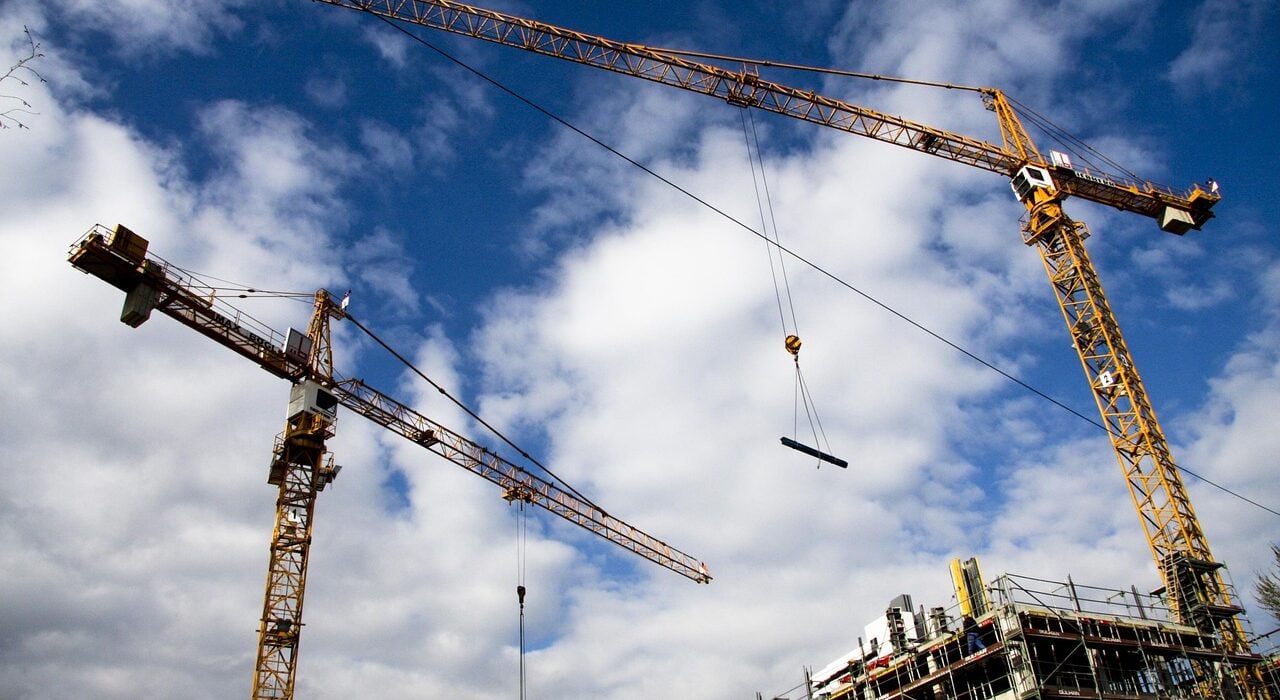
construction site, crane, construction machinery, construction work house construction, construction site, construction site, construction site, construction site, crane, crane, crane, crane, crane

In our latest video, the Brookbanks civil engineering share some quick tips on a question that many developers and stakeholders face: What's a frequent post planning delay for civil engineering?

While securing planning consent is a major milestone, it’s often just the beginning of a complex journey. The team breaks down the key factors that can slow progress—and shares practical insights on how to navigate them.

1. Coordination between the design team:

  • With many people from several different disciplines working on the same project, delays from miscommunication or misunderstanding can happen. Regular meetings with the whole team are important to help everting run smoothly.


2. Separation between planning and technical approvals:

  • One of the most frequent causes of delay is the technical approval process. Whether it’s highways, drainage, or structures, securing sign-off from adopting authorities can take months, especially when requirements are unclear or inconsistent. The team emphasises the importance of early engagement and robust design submissions to streamline this stage.


Detailed image of a black pencil resting on architectural blueprints, ideal for design and planning themes.

3. Initial technical work is not robust enough: 

  • Lack of information can really hinder the design and planning process. Doing GAP analysis, having a project risk register and an engineer with experience in the planning process can speed things up and flush out any lack of information or detail.


4. Discharge of conditions

  • Another common issue is the discharge of conditions. You have to go into it with a detailed understanding of the conditions, with a strong strategy.

Brookbanks advocates for a proactive approach—identifying critical conditions early and preparing discharge packages in parallel with technical design.

Final Thoughts

Delays post-planning are often avoidable, but only with the right foresight, coordination, and technical rigour. At Brookbanks, we work closely with clients to anticipate these challenges and keep infrastructure delivery on track.

Watch the full video to hear more from our civil engineering team and learn how to de-risk your next project.

Members in the video

Senior Associate Director

Mark Baldwin

Read Profile
Principal Engineer

Phillip Baker

Read Profile
Group Technical Director

Richard Moorcroft

Read Profile
Head of Civil Engineering

Ryan Meade

Read Profile
Senior Technical Consultant

Siobhán McGlynn

Read Profile
Technical Director

Siobhan Murphy

Read Profile
Technical Director

Tom Mitchell

Read Profile

More News

Close-up of a modern hospital emergency room entrance with prominent red letters.

Engineering in Healthcare – M&E Thought Leadership

December 11, 2025

Attendance at the IHEEM Healthcare Estates Conference 2025 in Manchester offered critical insights into the evolving landscape of NHS estates management and engineering, with a renewed focus shaped by recent government funding allocations to this sector. The event’s 2025 theme, “Prevention Is Better Than Cure,” resonated across discussions, placing proactive strategic planning, compliance, and innovation at the heart of future estates improvement, particularly regarding net zero commitments and sustainability.

Read More
Stunning view of a towering power line against a vibrant sky, showcasing energy infrastructure in nature.

Podcast Episode #6: Industrial Energy Security

December 4, 2025

In our latest podcast, Grant Vasey, Director for our Mechanical and Electrical Engineering Group, and Mat Capper, Director of Utilities, delves into one of the most pressing challenges facing UK industry today: Industrial Energy Security.

Read More