
Due Diligence: Taking Early Red Flags and Creating Better Development Outcomes
The most successful projects don’t just use due diligence to identify the constraints of a site. They use it to understand what is possible. Early investigations help provide the evidence needed to inform acquisition and investment decisions, whilst enhancing deliverability and commercial performance.
Due diligence should be viewed as an opportunity-creation exercise, not simply a risk-assessment process. While identifying constraints remains important, the most valuable outcomes often come from understanding how those constraints can be mitigated, engineered around, or even transformed into development advantages. The earlier this understanding is gained, the more options are available to influence project outcomes.
Early technical investigations provide a more accurate picture of true land value. A site’s worth is not determined solely by planning allocation or location. Factors such as access arrangements, drainage capacity, utility availability, flood risk and ground conditions can significantly impact development potential. Identifying these factors early enables landowners, promoters and developers to make informed decisions based on evidence rather than assumptions. Moreover, as planning policy and environmental requirements become increasingly complex, decision-makers need a joined-up understanding of how all the interacting planning, engineering, environmental and infrastructure elements influence risk and opportunity.
Understanding constraints before acquisition strengthens commercial negotiations. Buyers who undertake robust due diligence can enter negotiations with a clear appreciation of infrastructure costs, abnormal works and delivery risks. Equally, sellers who can demonstrate technical viability are often better positioned to maximise land value and reduce uncertainty for prospective purchasers.
Technical due diligence helps uncover hidden development capacity. Through detailed review of access solutions, site levels, drainage strategies or planning policy interpretation, opportunities often emerge to increase developable area, improve site efficiency or support higher-density schemes. These insights can materially alter the commercial performance of a project. Additionally, early assessment of earthworks, infrastructure routes, drainage networks and access arrangements can identify more efficient solutions that reduce construction costs, improve deliverability and protect development value without compromising project objectives.
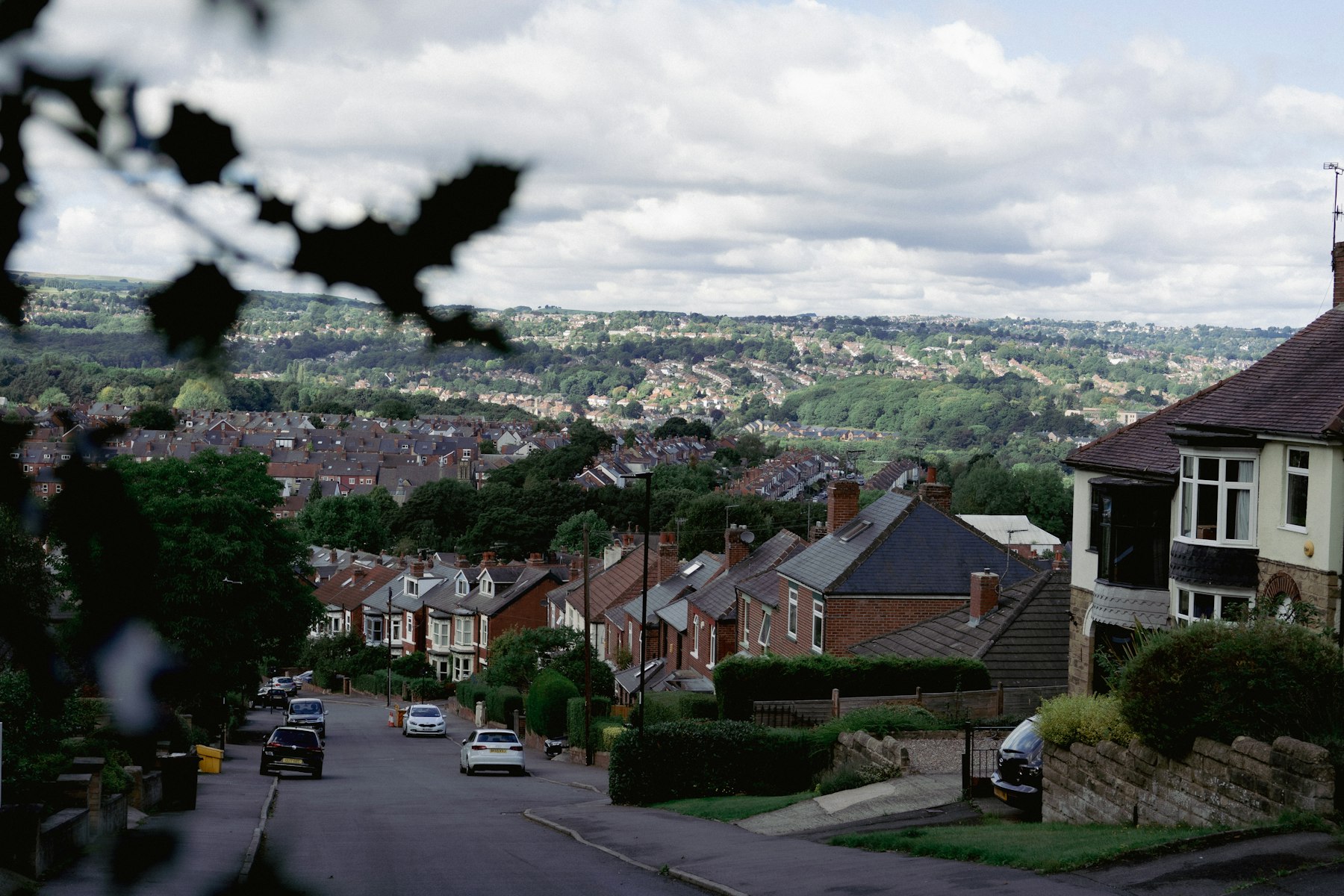
One example of what could be originally considered as a constraint but may actually turn into an opportunity is the topography of the site. Sloping sites are often perceived as problematic, but early engineering input can identify cut-and-fill balances and drainage efficiencies that improve viability whilst enhancing placemaking and design quality through integration within the existing landscape.
Utility reinforcement requirements and highway improvement requirements can have significant impacts on project costs and programme. Understanding these requirements at the outset allows project teams to align development aspirations with realistic delivery strategies and avoid unexpected costs further down the line
Early due diligence reduces uncertainty and increases investor confidence. Whether securing funding, promoting land, or preparing a planning application, stakeholders are increasingly seeking evidence-based strategies. A clear understanding of risks, opportunities and mitigation measures demonstrates credibility and significantly strengthens project narratives.
By understanding the interaction between technical, planning and commercial factors from the outset, project teams can make informed decisions and optimise development potential to directly enhance land value and project viability.
Ultimately, good due diligence is about creating certainty. By identifying opportunities alongside constraints, developers, landowners and investors can make better-informed decisions, reduce project risk and maximise the value that can be achieved from a site.