
Contact

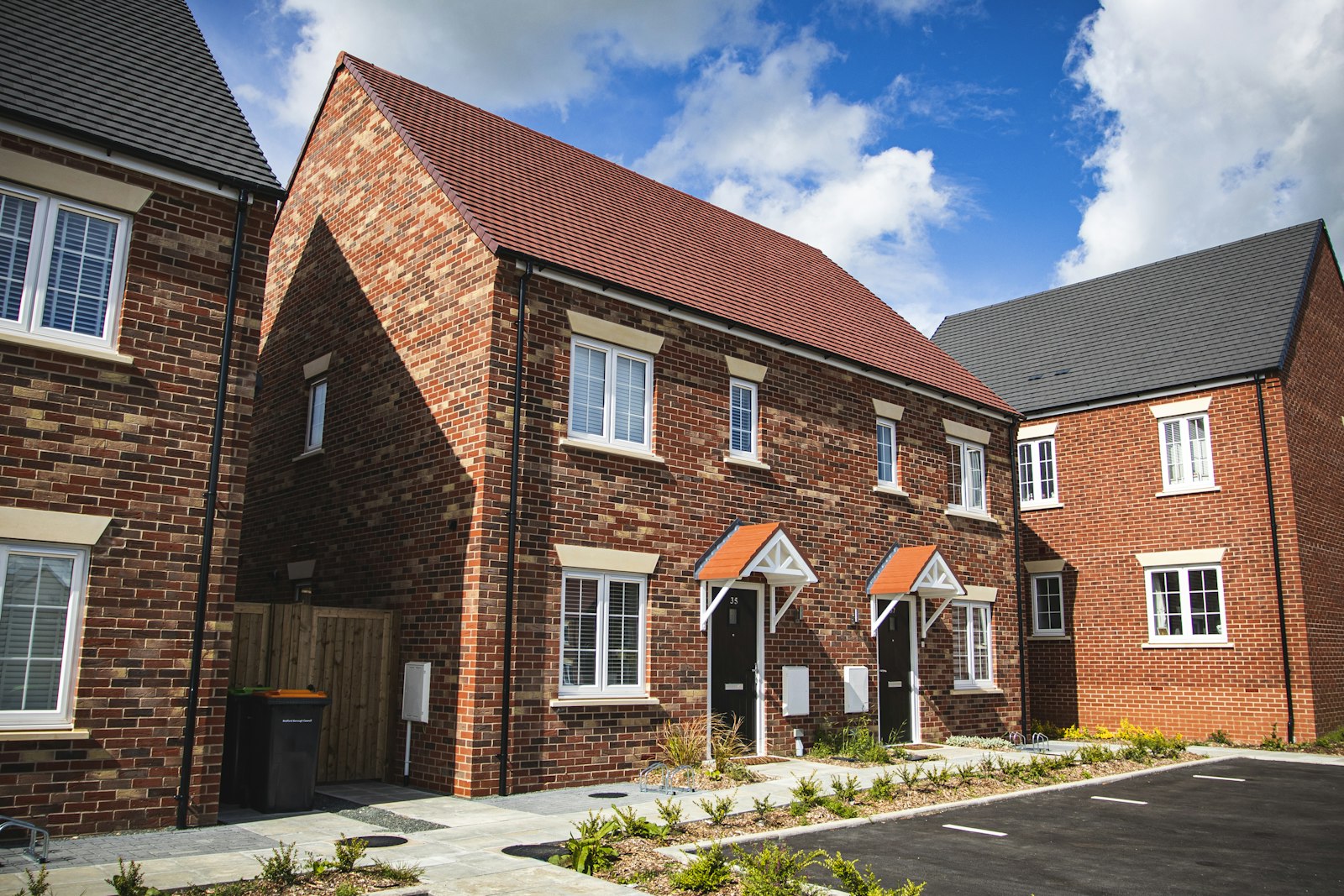
As nutrient neutrality specialists, we provide practical, evidence-based advice to help clients understand these requirements, assess potential impacts on protected habitats and develop effective mitigation strategies that support successful project delivery.
We support developers, landowners, promoters, planning consultants, local authorities and multidisciplinary project teams throughout the planning process. Our services cover nutrient neutrality assessments, nutrient budget calculations, mitigation strategy development, habitat and wetland feasibility studies, drainage and Sustainable Drainage Systems (SuDS) design, planning support and regulatory engagement.
Why Choose Brookbanks for Nutrients
Early involvement enables us to identify the nutrient neutrality constraints and opportunities that may influence land acquisition, development viability, site layout, delivery programmes and project costs. As projects progress, we work collaboratively with clients and project teams to develop proportionate, deliverable mitigation strategies that satisfy the requirements of the competent authority and relevant consultees.
Our experience spans residential and mixed-use developments of all scales, from individual dwellings to strategic growth locations, and projects at every stage of the planning process. We understand that there is rarely a single solution to nutrient neutrality, and that each site presents its own opportunities, constraints and delivery considerations. Our specialists have also supported industry research with the Home Builders Federation (HBF) and helped deliver approved wetland mitigation solutions.
By combining technical expertise with a strong understanding of planning, development economics and project delivery, we provide clear and pragmatic advice that helps clients make informed decisions, manage risk, control costs and secure planning outcomes with confidence.
Key Client Benefits
- We identify nutrient neutrality constraints, opportunities and risks early, helping to inform land acquisition, development strategy and investment decisions.
- We develop cost-effective and deliverable mitigation solutions that align with project programmes, commercial objectives and planning requirements.
- Our clear technical advice is supported by risk assessments, option appraisals and cost information, enabling informed decisions throughout the development process.
- We support projects at every planning stage, including outline applications, reserved matters submissions, appeals, hearings and public inquiries.
- We work collaboratively through the planning and approval process, engaging with local planning authorities, specialist advisers and statutory consultees.
- We look for value enhancement in our nutrient strategies, unlocking stalled sites sooner and creating mitigation, such as wetlands, that benefits wildlife and communities.

Specialist Services
Planning, Feasibility and Option Appraisal
Understanding nutrient neutrality at the outset helps clients make confident decisions about land and development strategy. Our early-stage assessments identify the constraints and opportunities that may affect site acquisition, promotion, masterplanning and viability, along with the regulatory, technical and commercial risks that need to be planned for.
There is often more than one way to achieve nutrient neutrality. We appraise the on-site, off-site and third-party mitigation options available, weighing up deliverability, cost, land take, programme and long-term management. We also review proposed strategies to find cost savings and programme efficiencies, so the chosen approach meets the requirements in the most efficient way for the project.
See how we supported the Newlands Farm urban extension in Fareham through to outline planning permission.

Nutrient Assessments and Habitats Regulations Support
We prepare nutrient budget calculations for nitrogen and phosphorus, impact assessments and mitigation strategy reports that demonstrate compliance with the Habitats Regulations and support planning applications. Each report is tailored to the site, its catchment and the proposed development.
Decisions on nutrient neutrality are made by the competent authority through a Habitats Regulations Assessment. We prepare the technical information needed to inform that assessment, often presented as a shadow assessment submitted with the application, and work with local planning authorities and statutory consultees through to a decision.
For background on the legislation, read Nutrient Neutrality: Navigating guidance and legislation.

Land and Wetland Mitigation
Changes in agricultural land use can reduce the nutrients entering a catchment. Our fallow land management reports quantify those reductions and set out how they can be secured and maintained over the long term.
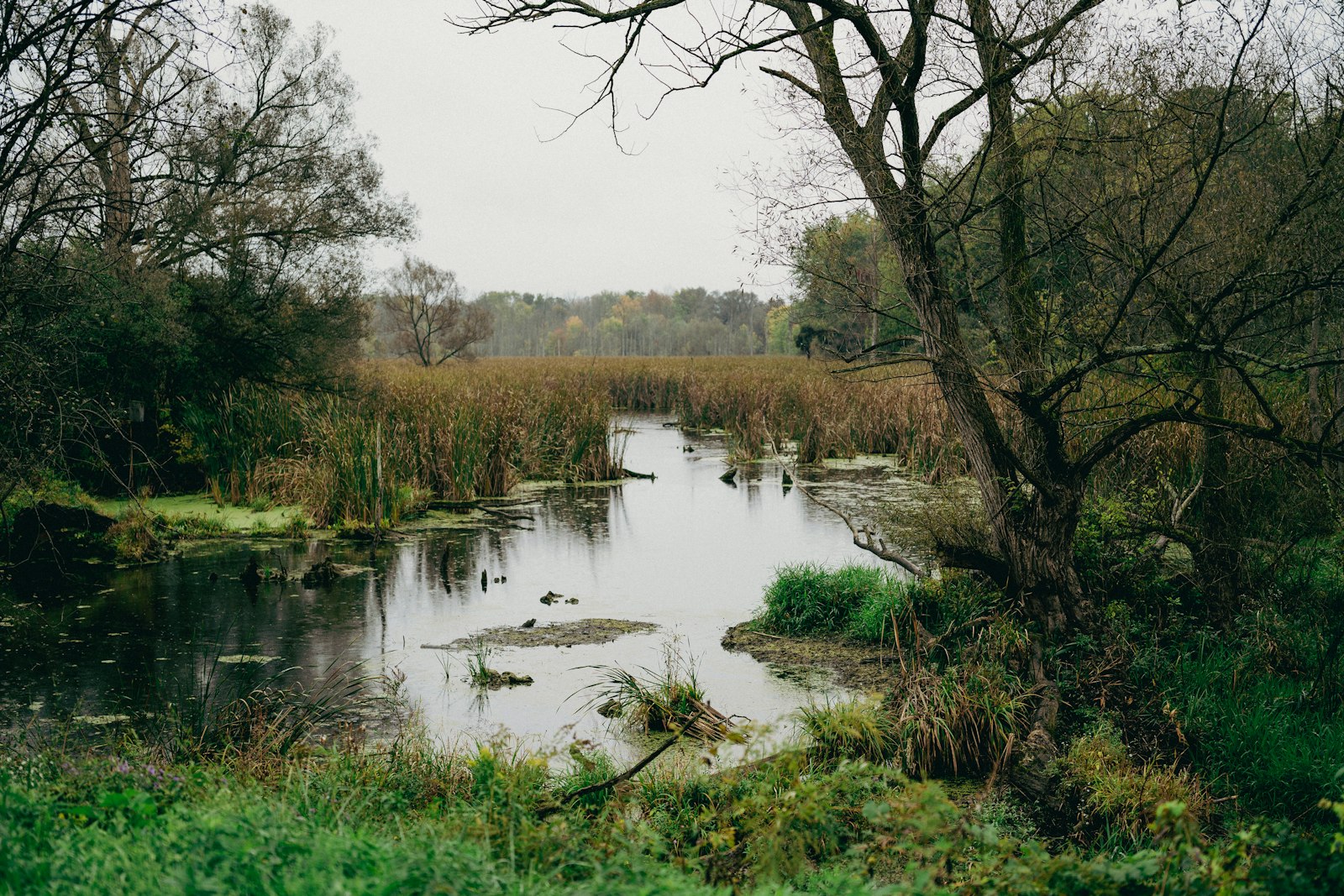
Wetlands offer an effective, nature-based route to mitigation. We assess whether a site is suitable for a wetland, considering land requirements, expected performance and long-term management in line with statutory consultee metrics. Where a wetland is the preferred solution, we design schemes that achieve the required nutrient reduction, respond to site constraints and add biodiversity value to the wider development.
Read about the approved constructed treatment wetland in Yeovil, Somerset that our specialists helped deliver.
SuDS and Drainage
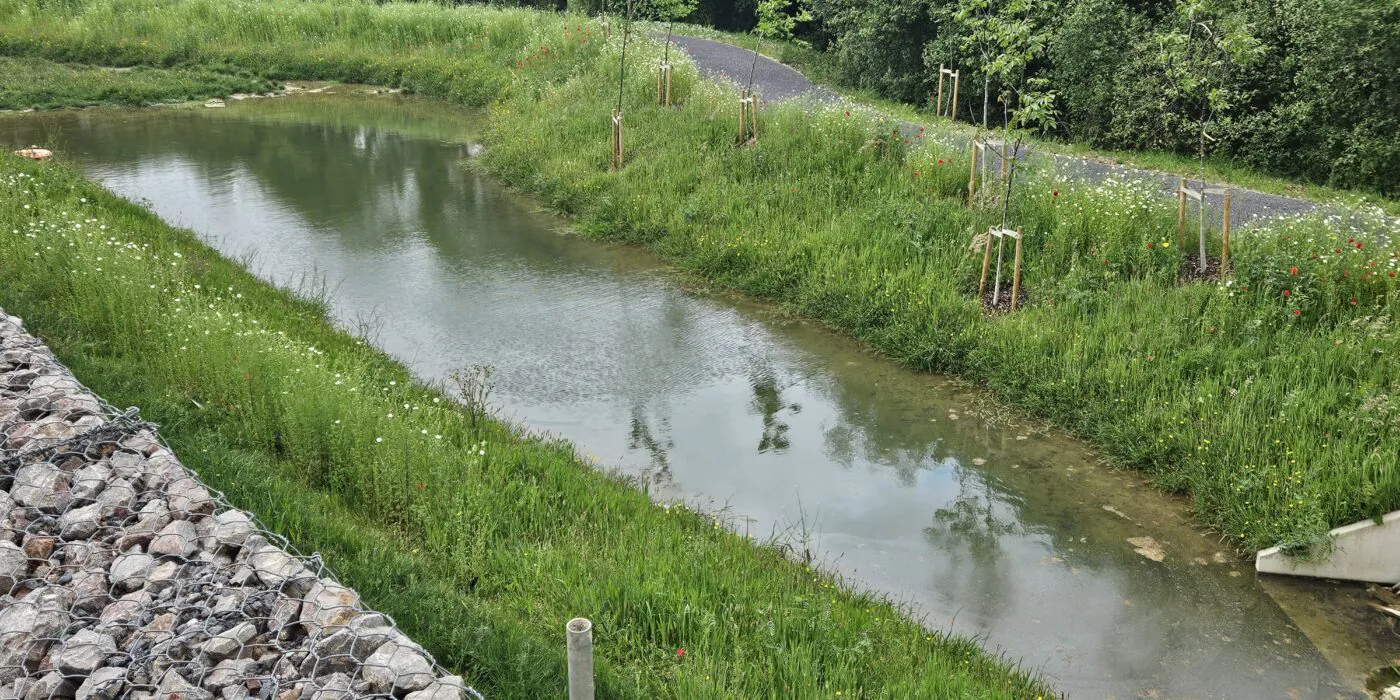
Sustainable Drainage Systems (SuDS) can contribute to nutrient mitigation as well as managing surface water. We analyse the nutrient removal performance of proposed SuDS features, helping clients understand how much mitigation their drainage strategy can deliver on site.
Working closely with our hydrology and civil engineering specialists, we then design and specify drainage and SuDS solutions that meet nutrient objectives and fit with the wider site infrastructure, so mitigation is delivered as part of a coordinated and buildable scheme.
Find out more in our article on how on-site SuDS can support nutrient neutrality.
Expert Witness and Technical Advice
Our specialists provide independent advice for planning appeals, hearings, public inquiries, legal proceedings and development disputes where sound technical evidence and professional opinion are needed.
We also support clients in discussions with regulators and local authorities, giving clear technical input that helps resolve nutrient neutrality questions and keep projects moving.
Our specialists also deliver CPD sessions on nutrient neutrality, including at the Home Builders Federation conference.

Sectors We Support
The team supports projects across a wide range of sectors, including residential (from single sites to major development sites), strategic urban extensions and garden communities, mixed-use development, infrastructure, commercial development, education, healthcare, and heritage and sensitive sites.
We also have experience of regeneration schemes, public sector estates, leisure and hospitality projects, rural diversification proposals, land promotion opportunities and complex developments requiring integrated environmental and planning solutions.
Talk to Our Nutrients Specialists
If you are assessing a site in an affected catchment or need a mitigation strategy to support an application, our specialists would be happy to help. Contact a member of the team directly, or email hello@brookbanks.com and one of our experts will get back to you.

Group Technical Director, Land, Development and Communities
Dean Swann
dean.swann@brookbanks.com
View profile

Technical Director, Land, Development and Communities
Richard Boyle
richard.boyle@brookbanks.com
View profile




FAQs
What is nutrient neutrality?
Nutrient neutrality is an approach used where protected rivers, estuaries or wetlands are affected by excess nitrogen or phosphorus. New development in these catchments must show that it will not increase nutrient loads, usually by calculating a nutrient budget and providing mitigation for any increase.
How do I know if my site is affected?
It depends on whether the site falls within an affected catchment and on how its wastewater and surface water will be treated and discharged. Our specialists can quickly confirm whether nutrient neutrality applies and what it is likely to mean for your scheme.
What kinds of mitigation are available?
Options include on-site measures such as wetlands and SuDS, off-site land management changes such as fallow land, and third-party mitigation or credit schemes. The right approach depends on the site, its catchment and the scale of development, and we appraise the options to find the most suitable one.
Can you help with schemes that are already in the planning process?
Yes. We support projects at every stage, from early feasibility and outline applications through to reserved matters, appeals, hearings and public inquiries.