
Contact

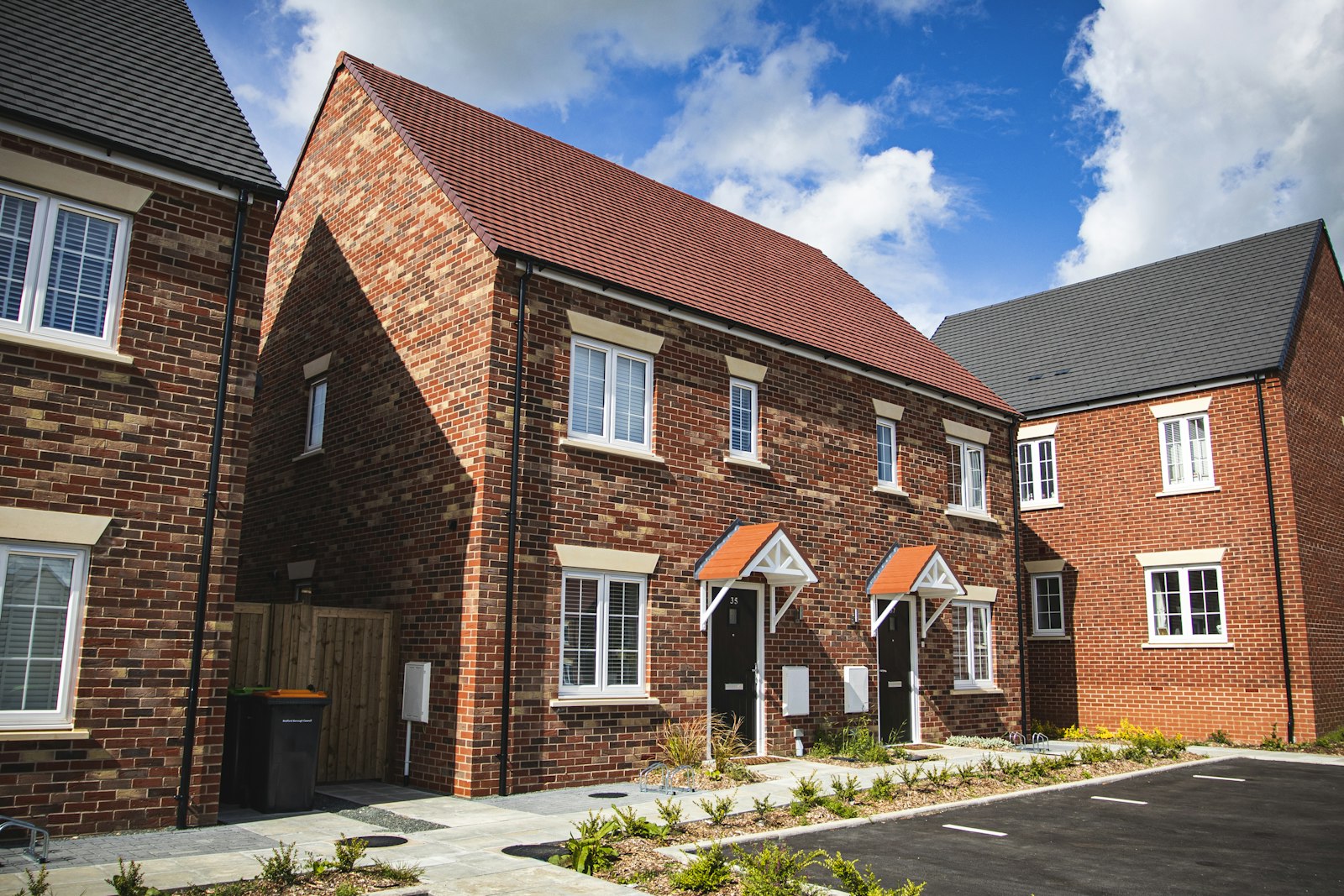
Our specialists work as one integrated team across environmental noise and vibration, building acoustics and specialist services, from planning assessments and sound insulation design to room acoustics, design coordination and expert witness support.
By combining expertise across external and internal acoustic environments, we provide coordinated advice from early feasibility and planning through design, construction, compliance and operation. We work alongside developers, landowners, planners, architects, engineers, contractors, operators and asset owners on everything from a single classroom or plant room to major, multi-phase developments.
Why Choose Brookbanks for Acoustics
By considering acoustics alongside planning, architecture, engineering, building services and operational requirements, we help create solutions that support development outcomes and stay aligned with wider project objectives.
Our experience spans residential and mixed-use, industrial and logistics, commercial, data centres, education, healthcare, public sector, cultural and specialist technical environments, with environmental and building acoustics delivered in equal measure. In every sector, we provide clear technical advice that supports informed decision-making, high-performing buildings and successful project delivery.
Key Client Benefits
- One team covers environmental noise and vibration, building acoustics and specialist advice, so external and internal environments are considered together.
- Early-stage advice helps clients understand acoustic opportunities and constraints before layouts, land use and investment decisions are fixed.
- Designing to Part E, BB93, HTM 08-01 and BS 8233 from the outset reduces the risk of test failure and remedial works.
- Working as part of the wider design team, we coordinate acoustics with planning, architecture, structure and building services, and look for opportunities to simplify solutions without compromising performance.
- Monitoring, verification and troubleshooting give clients confidence that completed buildings and operational sites achieve their intended acoustic performance.
- Our acoustic design adds value by protecting occupant and community health and wellbeing, safeguarding developable area and avoiding programme delays.
Specialist Services
Environmental Noise & Vibration
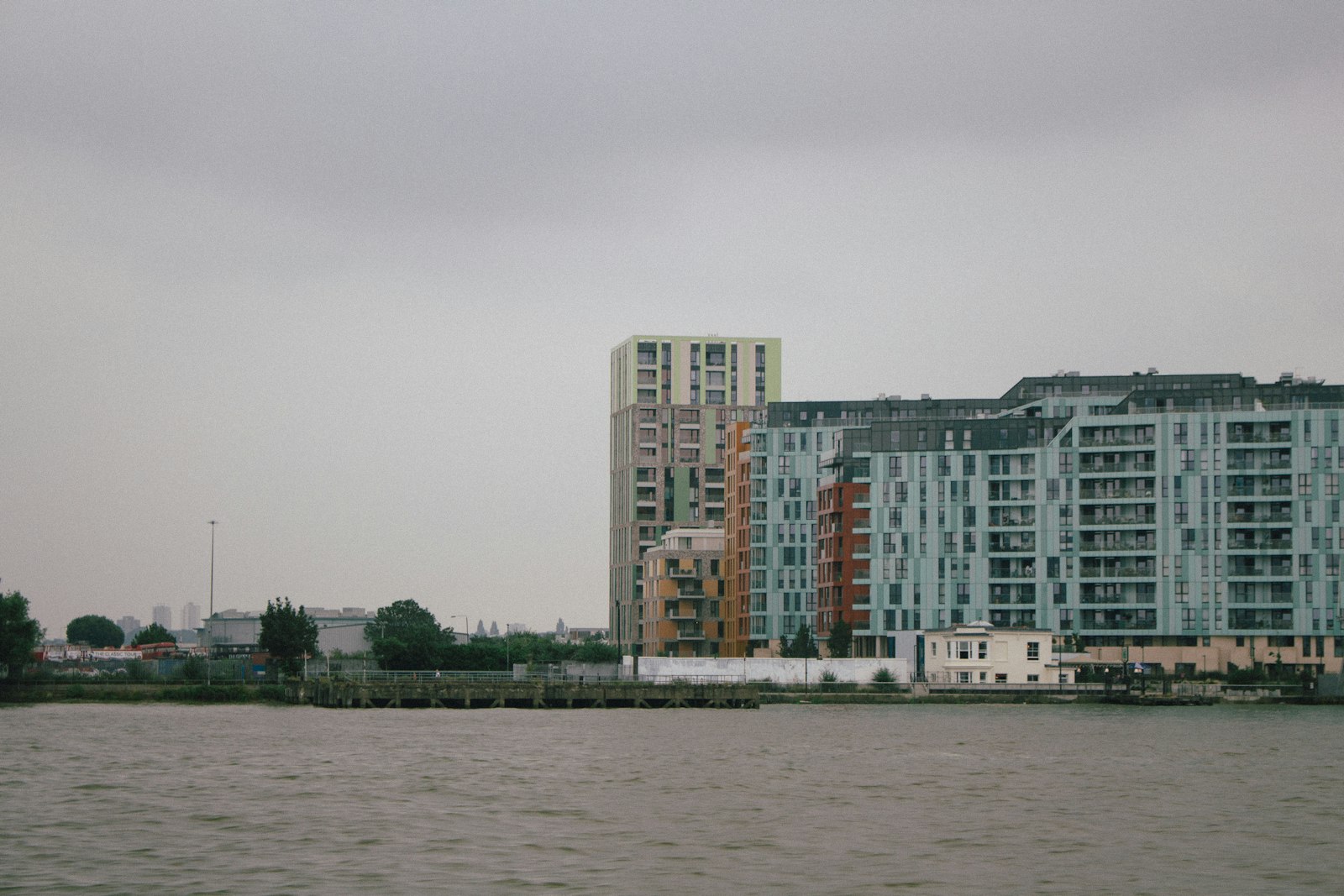
Noise and vibration can determine what a site can accommodate and whether it gains consent. We provide early constraints advice and noise and vibration impact assessments for planning applications, EIAs and Development Consent Orders, following BS 4142, BS 8233, ProPG and WHO guidance. We also assess vibration to BS 6472 and BS 7385, including for laboratories, healthcare imaging and data centres with equipment-specific criteria.
During construction, we prepare CEMP noise and vibration plans and Section 61 applications, and manage monitoring. Once sites are operational, we assess plant and process noise, discharge planning conditions and investigate complaints. Noise at work and Buy Quiet assessments, in line with HSE guidance, help clients protect employees and specify quieter equipment. Sectors include industrial and logistics, data centres, energy and utilities, residential and mixed-use.
See how our specialists provided noise and vibration assessments for Northaw Road, Cuffley, beside a main railway line.
Building Acoustics: Strategy, Compliance and Sound Insulation
An acoustic strategy sets the framework for a project, shaping layouts, adjacencies, servicing and construction from the earliest design stages. We set project-specific criteria and design to Approved Document E, BB93 and HTM 08-01, alongside BS 8233 and BCO guidance. Our sound insulation advice covers walls, floors, ceilings and junction detailing, reducing the risk of test failure and remedial works.
For façades and glazing, we balance acoustic performance with ventilation, overheating, energy efficiency, daylight and architectural intent. On refurbishment, retrofit and change-of-use projects, we assess existing constructions and heritage fabric and identify practical upgrades. Sectors include residential, student accommodation, build-to-rent, commercial offices, education, healthcare and heritage.

Building Acoustics: Room Acoustics, Services and Testing
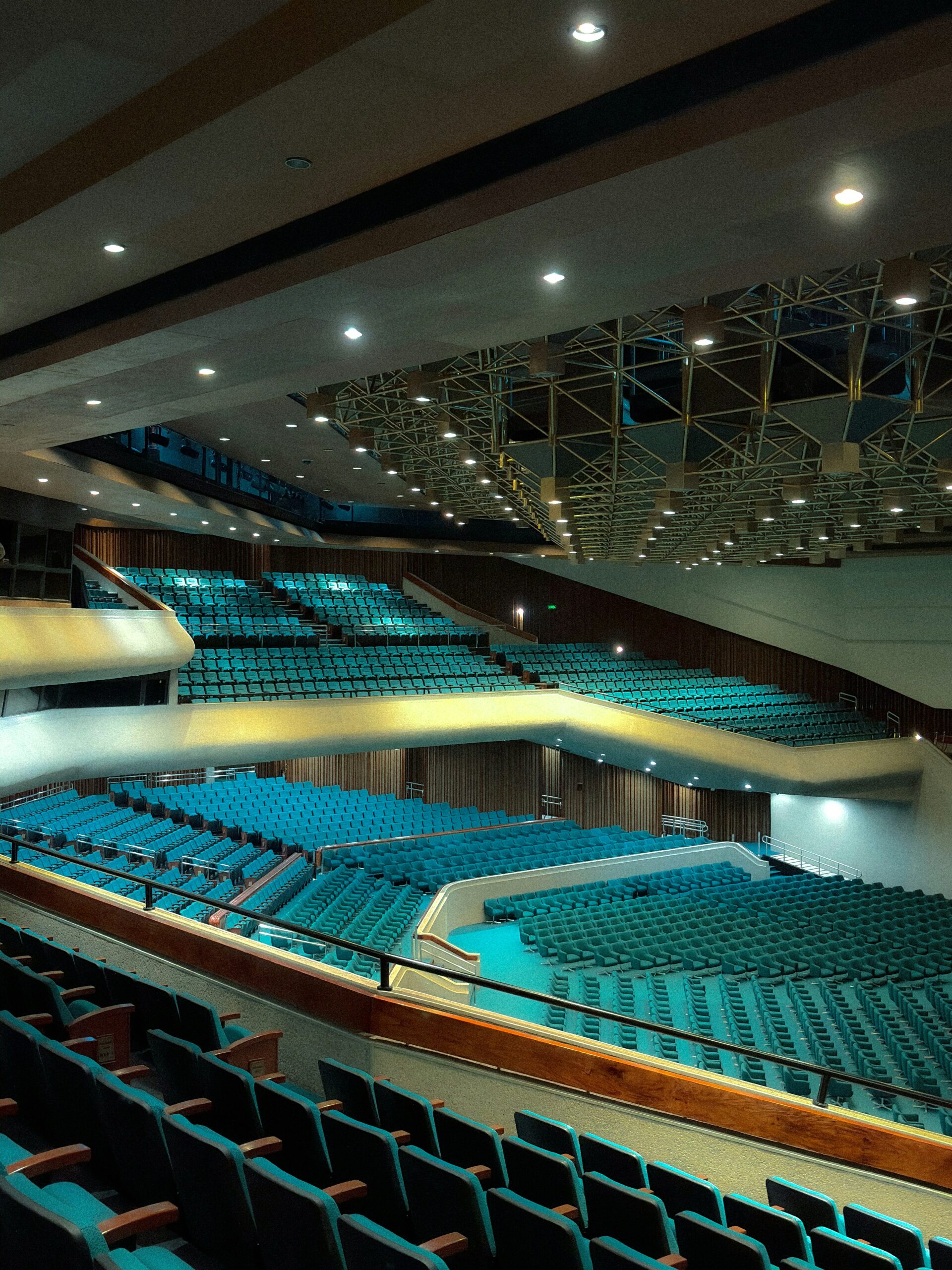
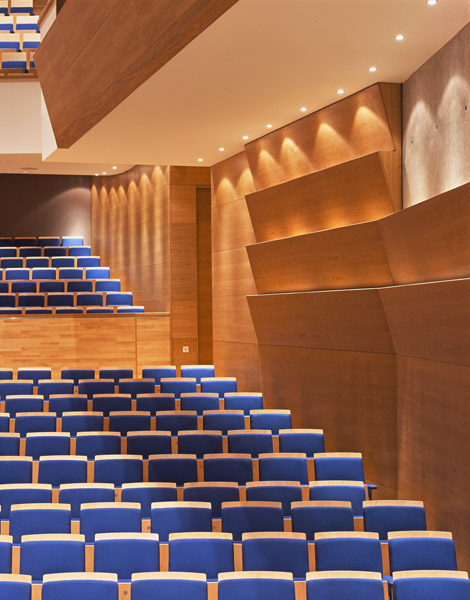
Room acoustics design addresses reverberation, speech intelligibility, privacy and sound quality in classrooms, lecture theatres, consulting rooms, workplaces, auditoria, performance and cultural venues, and places of worship. We also specify attenuation and isolation for HVAC, plant, drainage, lifts and generators, so building services work with acoustic requirements, not against them.
Design reviews of drawings, specifications and construction details identify weaknesses before work reaches site. Residential Building Regulations testing is carried out by our specialist partners, while we focus on design, coordination, interpretation of results and troubleshooting. We also support BB93 and HTM 08-01 verification. Sectors include hospitality, leisure, cultural, worship, mixed-use and public sector estates.
Watch our webinar on balancing acoustics and sustainability in healthcare design.

Specialist Services: Design Coordination and Value Engineering
Working within the wider design team, we integrate acoustics with planning, architecture, structure and MEP strategies, drawing on Brookbanks’ in-house engineering, transport and environmental disciplines. We look for opportunities to simplify solutions, remove unnecessary specification and improve buildability, keeping designs practical, efficient and commercially aligned.
When buildings or operational sites don’t perform as expected, we investigate the cause, interpret test and monitoring data and recommend practical remedial measures. We explain findings clearly to occupiers, neighbours and stakeholders, helping resolve issues before they escalate.
Specialist Services: Expert Witness and Dispute Support
For disputes, nuisance investigations, planning appeals and legal proceedings, we provide independent technical advice, from evidence preparation to expert witness services. Our experts prepare reports and joint statements compliant with Part 35 of the Civil Procedure Rules, and attend court, tribunals and public inquiries to present and defend their evidence.
We act for developers, operators, contractors, legal teams and local authorities on matters ranging from operational noise complaints and construction disruption to sound insulation and Part E disputes. Clear, impartial analysis helps clients understand their position early and resolve issues efficiently.

Sectors We Support
From industrial and logistics sites and data centres to schools, hospitals, homes and heritage buildings, our acoustic specialists support projects across all of Brookbanks’ key sectors. We also work in infrastructure, energy and utilities, manufacturing, commercial offices, mixed-use and regeneration, student accommodation and build-to-rent, hospitality and leisure, public sector estates, and cultural, performance, worship and specialist technical buildings.
Talk to Our Acoustics Specialists
For a single noise survey or integrated acoustic advice across a complex development, contact a member of the team directly or email hello@brookbanks.com and one of our experts will get back to you.






FAQs
Do you carry out pre-completion sound insulation testing?
Residential Building Regulations (Part E) testing is carried out by our specialist testing partners. Our role is to design for compliance, coordinate the testing, interpret the results and, if a test fails, diagnose the cause and specify remedial measures. For schools and healthcare buildings, we support verification against BB93 and HTM 08-01.
When should we bring in an acoustic consultant?
As early as possible, ideally at site appraisal or feasibility. Noise and vibration constraints can affect layouts, land use and developable area, and are far cheaper to address before a scheme is fixed.
Do you only work on residential projects?
No. Environmental and building acoustics make up an equal share of our work, across mixed-use, industrial and logistics, commercial, data centres, education, healthcare, public sector, cultural and specialist technical environments.
Can you assess vibration for sensitive buildings and equipment?
Yes. Laboratories, healthcare imaging suites, data centres, research facilities and precision manufacturing can all be affected by vibration from road, rail, construction and building plant. We measure existing site conditions, assess them against equipment manufacturers’ criteria and recognised standards including BS 6472 and BS 7385, and advise on siting, foundations, structural design and isolation. Engaging us early, before a site or building layout is fixed, gives the most cost-effective options.
Do you provide acoustic design for schools and healthcare buildings?
Yes. We design schools to BB93 and healthcare buildings to HTM 08-01, setting criteria for sound insulation, internal ambient noise, reverberation and speech privacy from the earliest design stages. That covers classrooms, sports halls, music rooms and SEN spaces, as well as consulting rooms, wards, operating theatres and mental health facilities. We coordinate with the design team on ventilation, overheating and building services, and support verification at completion so projects meet funding, regulatory and NHS requirements.
Do you provide expert witness and dispute support?
Yes. We provide independent technical advice for disputes, nuisance investigations, planning appeals, regulatory matters and legal proceedings. Our experts prepare reports and joint statements compliant with Part 35 of the Civil Procedure Rules, and attend court, tribunals and public inquiries to present and defend their evidence. We act for developers, operators, contractors, asset managers, legal teams and local authorities. Matters range from operational noise complaints and construction disruption to sound insulation and Part E disputes.
Can you help with an existing noise complaint?
Yes. We investigate the source, carry out monitoring where needed and recommend proportionate, practical responses. We also explain findings clearly to occupiers, neighbours and local authorities, helping resolve issues before they escalate.