
Contact
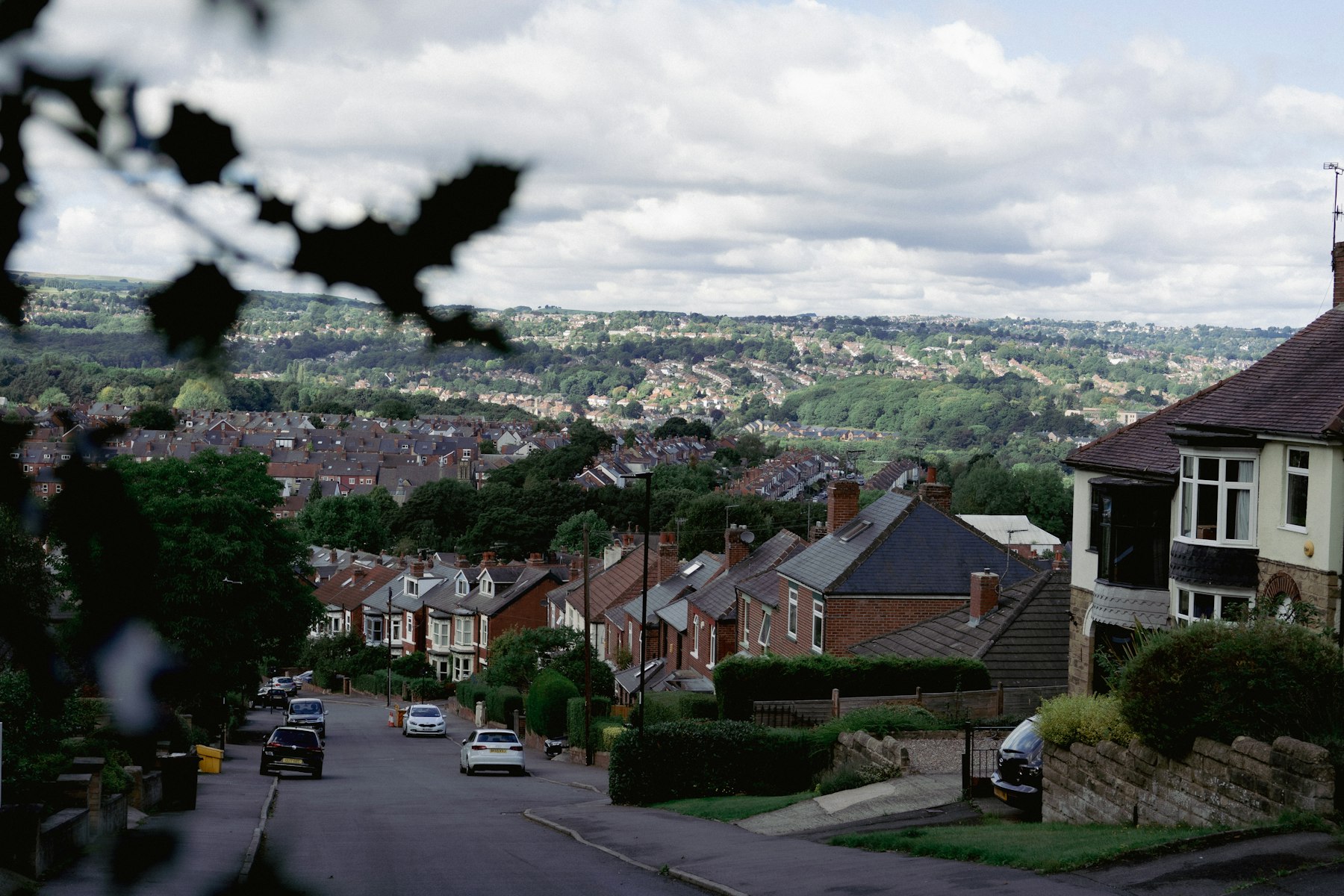
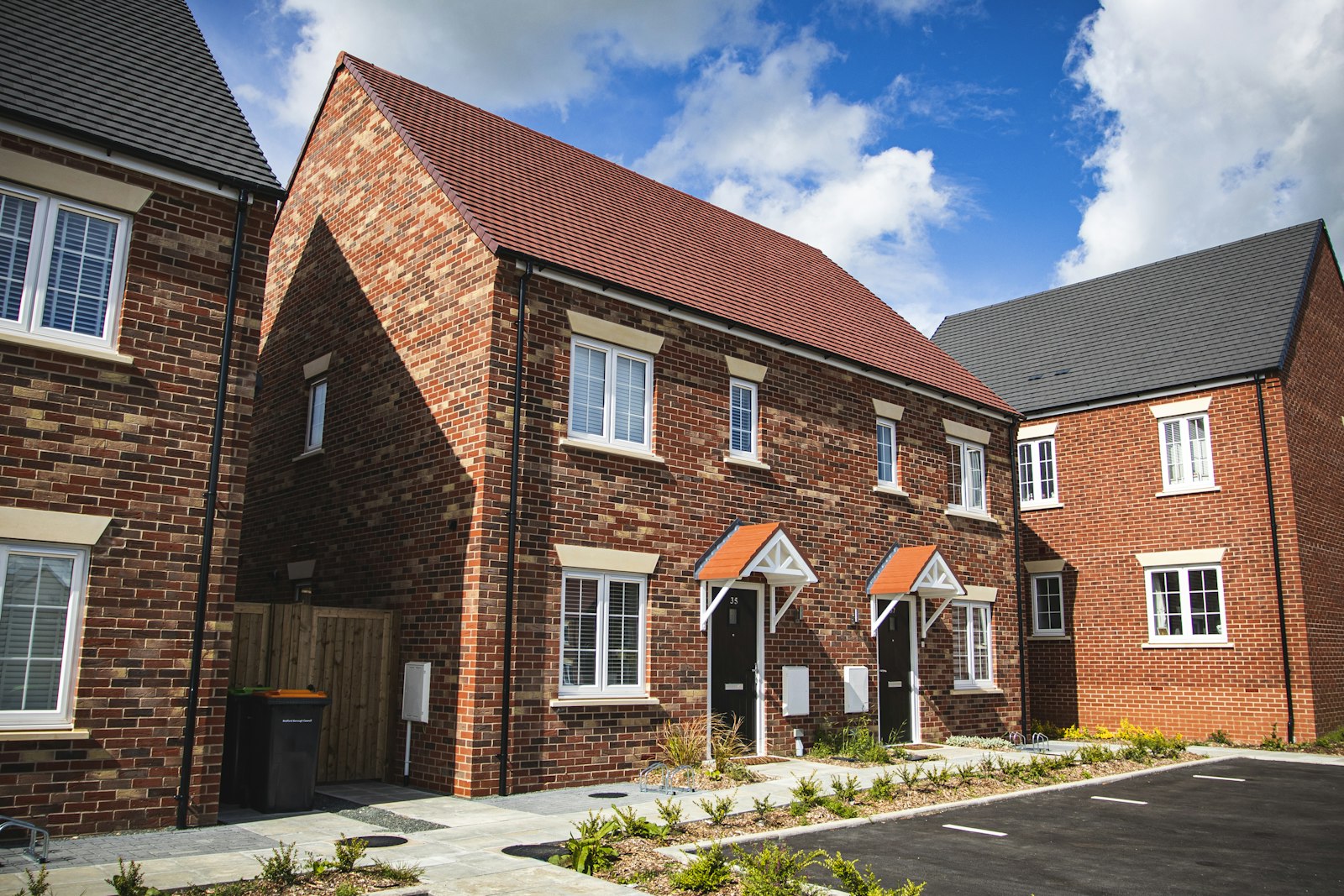
We identify the key engineering considerations at the outset, develop practical solutions and coordinate them with the wider development strategy, protecting viability, programme and cost.
Our work spans major residential developments, new settlements, urban extensions, commercial and mixed-use schemes and strategic infrastructure projects. It encompasses highways, drainage and Sustainable Drainage Systems (SuDS), earthworks and levels, pumping stations and wider infrastructure, on projects ranging from focused technical advice on a single site to the infrastructure for entire new communities.
Why Choose Brookbanks for Civil Engineering
Every site has its own characteristics, from ground conditions, flood risk and existing levels to highway requirements, planning obligations and adoption standards. Understanding these early gives the greatest opportunity to protect viability, programme and cost.
We work closely with developers, promoters, landowners, architects, planners, contractors, local authorities, statutory authorities and other technical specialists to take projects from concept through to delivery. Engineering decisions are considered alongside planning, commercial, environmental and development requirements, helping to avoid unnecessary cost and reduce risk.
Our experience of complex development and infrastructure projects allows us to provide solutions that are technically sound, commercially informed and deliverable. From unlocking a constrained site to securing technical approvals or delivering strategic infrastructure, we focus on the right engineering solution for the wider objectives of the project.
Key Client Benefits
- We identify risk early, using our experience of complex developments to highlight engineering, approval and infrastructure considerations before they affect programme or viability.
- We maximise value by balancing technical requirements, construction considerations and development objectives to deliver efficient, cost-effective solutions.
- We provide end-to-end support covering land appraisal, strategic infrastructure planning, detailed design, technical approvals and construction delivery.
- We work as part of your team, coordinating closely with clients, contractors, authorities and other disciplines to provide a joined-up approach to project delivery.
- We look for value enhancement in every engineering decision, whether that’s saving programme time, creating better places through drainage and landscape, delivering social value or reducing whole-life cost.

Specialist Services
Highways
Well-designed highway infrastructure shapes how people access, move through and experience new developments. Our highways specialists take projects from initial access concepts and feasibility through to detailed design, technical approval and construction, with services that include strategic, preliminary and detailed highway design, swept path analysis, site access and junction layouts, street lighting, and infrastructure delivery and phasing. On larger schemes, this extends to strategic highway improvements, new infrastructure corridors, junction upgrades and interfaces with existing roads and third-party assets.
We also support technical approvals for Section 38 agreements, under which new roads are adopted by the highway authority, and Section 278 agreements for works to the existing public highway. Because highway design is closely linked to levels, drainage, utilities, structures and the overall masterplan, we resolve these interfaces early with the wider project team, producing infrastructure that is safe, efficient, cost-effective and practical to deliver.
See how our specialists secured Technical Approval for a new A35 roundabout at Vearse Farm, Bridport.

Drainage and Water Management
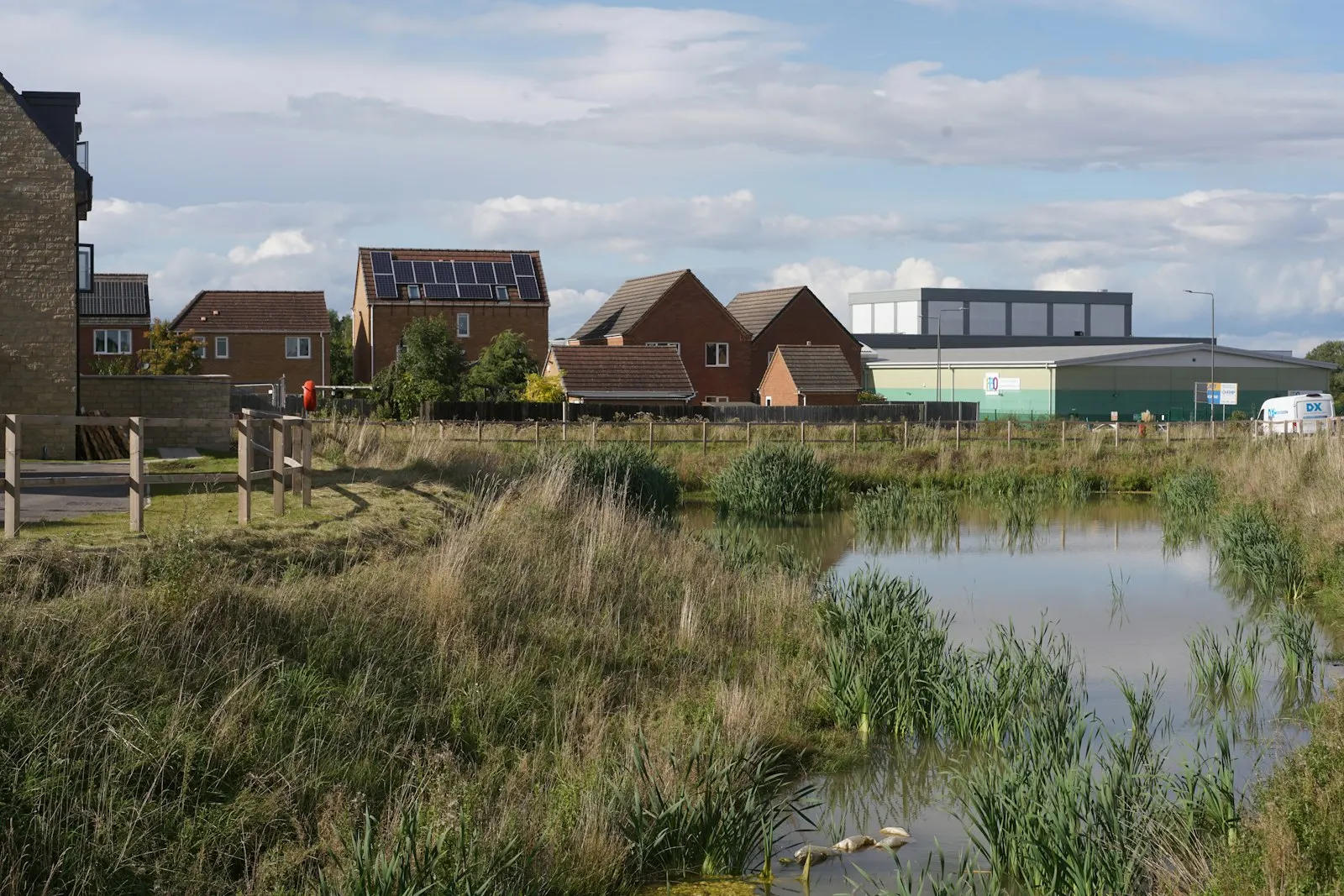
How surface water and foul water are managed can shape the masterplan, developable area, infrastructure requirements and construction costs of a scheme. Discharge restrictions, flood risk, network capacity, infiltration conditions, watercourses and changes in level all play a part, so our drainage specialists consider them early, advising developers, landowners, local authorities, water companies, infrastructure providers and contractors on solutions that respond to each site. Their work spans drainage strategy and detailed foul and surface water design, SuDS, attenuation and flow control, watercourse and culvert design, flood risk and surface water management, SuDS verification, and support with Section 106 (new connections) and Section 185 (diversions) applications and agreements. Where foul or surface water pumping stations are required, we work closely with specialist third-party providers to coordinate and integrate appropriate solutions, alongside our hydrology specialists.
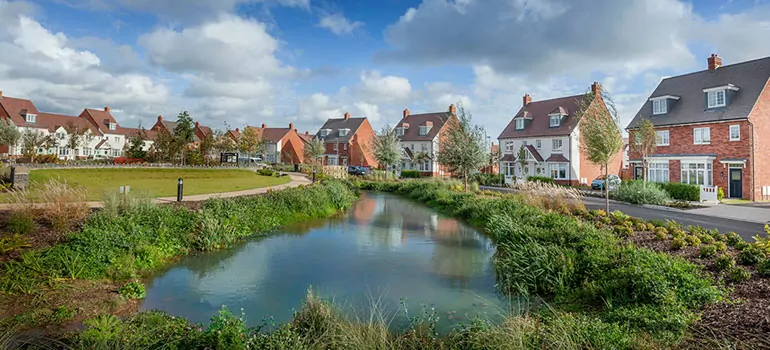
We also support Section 104 (sewer adoption) and Section 98 (sewer requisition) technical approvals with water companies. By integrating drainage with highways, earthworks, landscaping and utilities, we consider how infrastructure will be built, maintained, adopted and operated over its lifetime, creating durable, sustainable drainage that suits its setting. Well-designed SuDS also deliver wider blue-green benefits, creating attractive open space, supporting biodiversity and helping to shape the character of a place.
See how our drainage and SuDS design directed storm water into strategic detention ponds at High Leigh Garden Village.
Earthworks, Levels and Ground Engineering
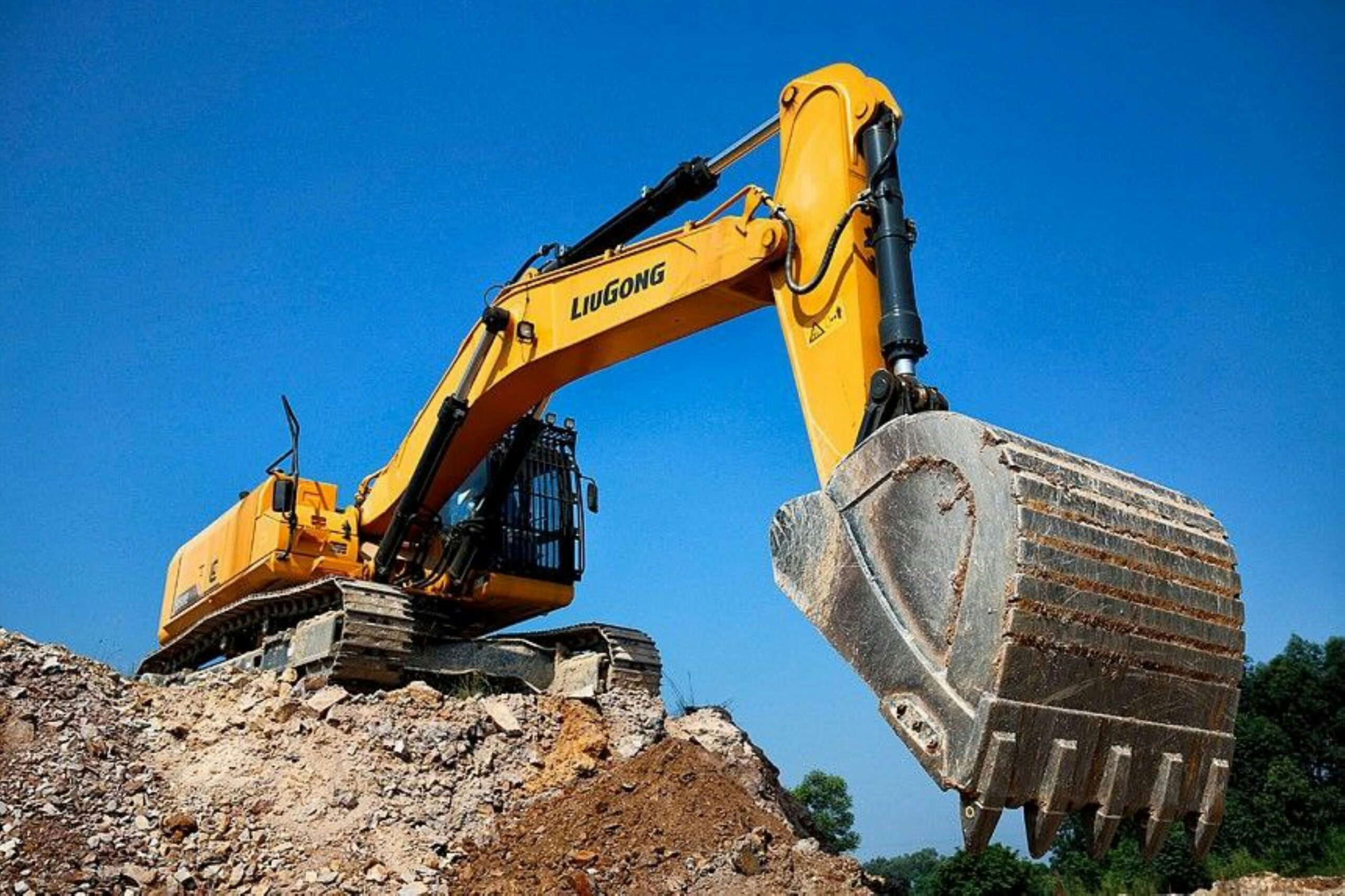
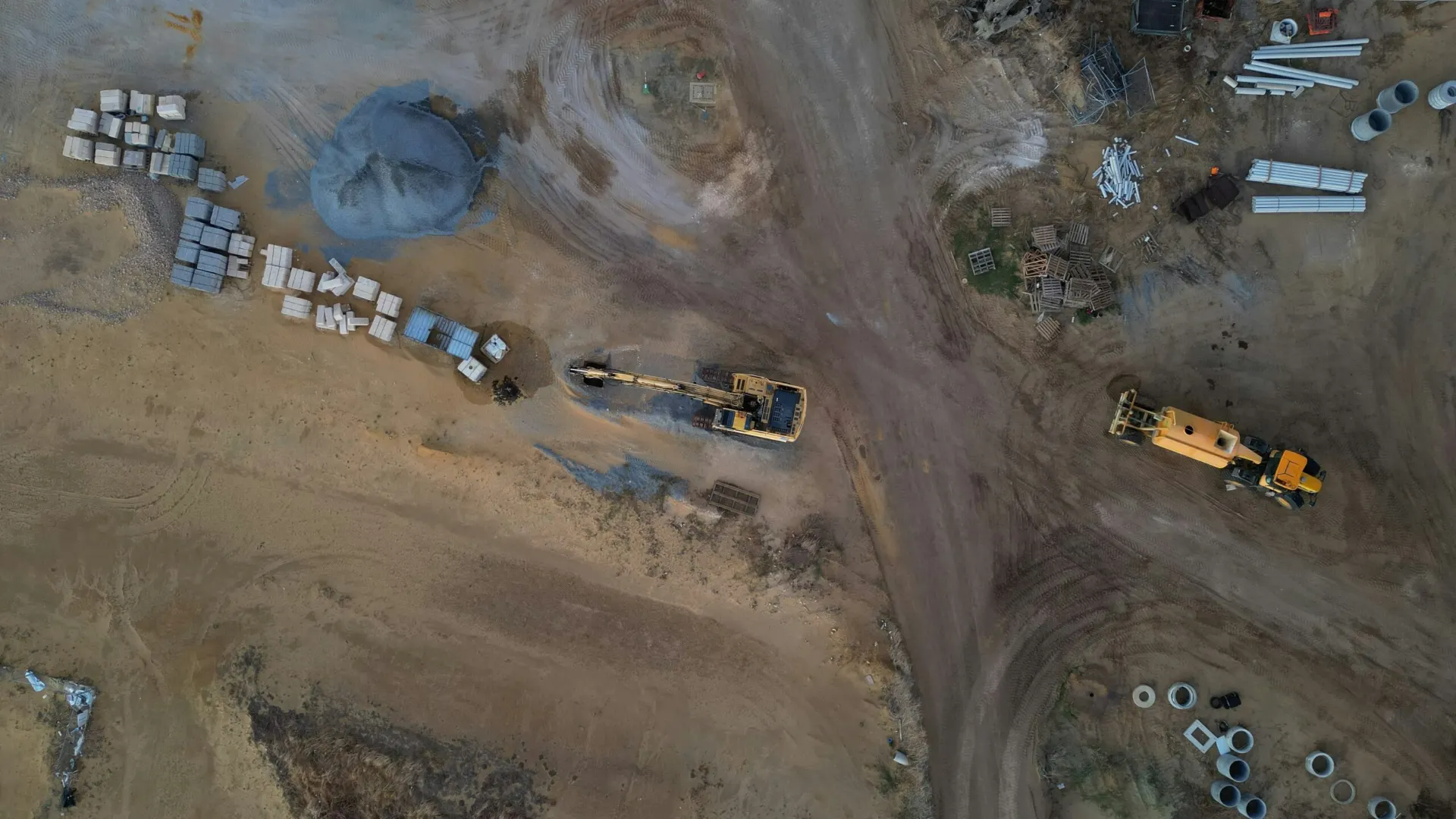
Working with the natural characteristics of a site, including its ecology and existing trees, rather than against them, is at the heart of good earthworks design. Topography, ground conditions and existing levels influence the need for retaining structures, the drainage approach and the balance of cut and fill, which in turn affects how much material needs to be imported or exported. Our services include earthworks strategies, site levels and grading, cut and fill assessments, earthworks optimisation, materials management strategies, ground engineering assessments, development platform design and construction phasing strategies.
From establishing development platforms and finished levels through to managing material movements during construction, we work with highway, drainage, structural and geotechnical colleagues to set levels that work across the whole project. Construction sequencing is considered so that solutions remain achievable as the development progresses, and where opportunities exist we maximise the beneficial reuse of materials and reduce unnecessary movement, improving efficiency, reducing construction risk and supporting better control of project costs.
Engineering Consultancy and Advisory Services
The right technical advice at the right point in the development process can be as valuable as a full design commission. Our engineering consultancy specialists provide independent civil engineering expertise that helps developers, promoters, landowners, investors, contractors and local authorities understand opportunities, test assumptions and make confident decisions, from land acquisition and feasibility through to planning, technical approval and construction. Services include land technical appraisals, engineering due diligence, development feasibility and site optimisation, infrastructure strategies, and technical reports and assessments.
We also provide value engineering, carbon reduction and engineering optimisation, technical approvals and discharge of planning conditions, expert witness and technical advisory services, and construction and delivery support. Supporting an acquisition, unlocking a constrained site, refining an existing design or resolving a delivery issue, we give clear, pragmatic advice focused on the best overall project outcome.
See how our value engineering review identified cost savings at Infinity Garden Village, Derby.
Sectors We Support
Our civil engineering specialists work across major residential developments, new settlements, urban extensions, commercial and mixed-use schemes, industrial and logistics, education and healthcare facilities, and strategic infrastructure projects.
Projects range from focused support, such as a land technical appraisal, a drainage strategy or a levels review for an individual site, to the infrastructure for entire new communities. Clients include developers, landowners, investors, contractors, local authorities, water companies and infrastructure providers.

Talk to Our Civil Engineering Specialists
If you are appraising a site, preparing for planning or progressing infrastructure through approvals and construction, contact a member of our civil engineering team directly or email hello@brookbanks.com and one of our experts will get back to you.






Related insights


FAQs
At what stage should we involve your civil engineering specialists?
As early as possible. Engineering input at land appraisal and feasibility stage helps establish access, drainage, levels and infrastructure requirements before land value, layout and budgets are fixed. We can also join a project at any later stage, including detailed design, technical approvals and construction.
Can you help secure technical approvals and adoption agreements?
Yes. We prepare designs and submissions for highway agreements under Section 38 and Section 278, sewer adoption and requisition under Section 104 and Section 98, and SuDS verification, and we support the discharge of planning conditions. We work closely with highway authorities, lead local flood authorities and water companies throughout the process.
Do you work on smaller sites as well as major schemes?
Yes. Alongside new settlements, urban extensions and strategic infrastructure, we regularly provide focused support such as a land technical appraisal, a drainage strategy or a levels review for an individual site.
How do you help reduce carbon on civil engineering projects?
We look for opportunities to reduce carbon through efficient design, from optimising earthworks and maximising the reuse of materials on site to simplifying infrastructure where possible. Carbon reduction and engineering optimisation is one of our consultancy services in its own right.