
Contact
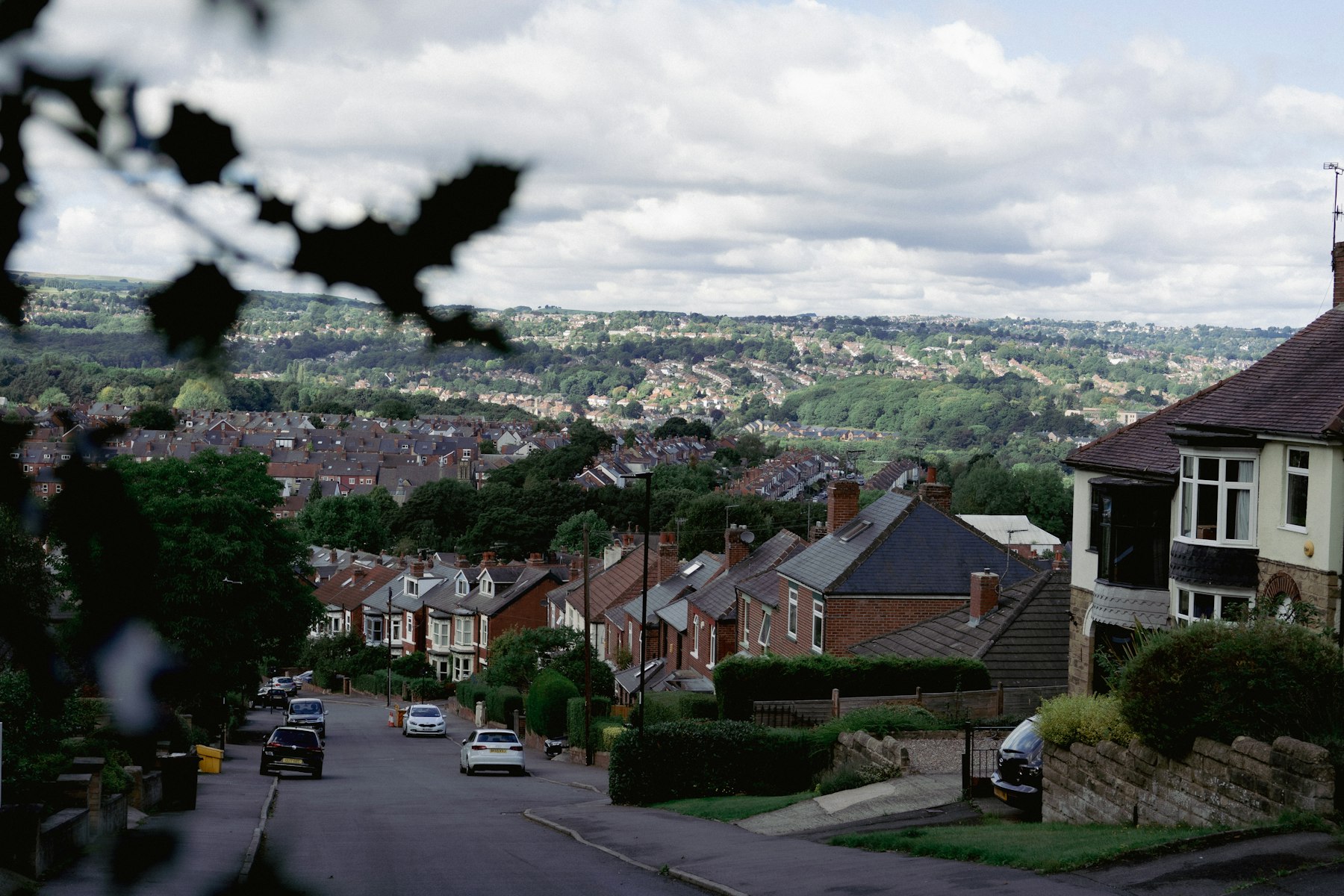
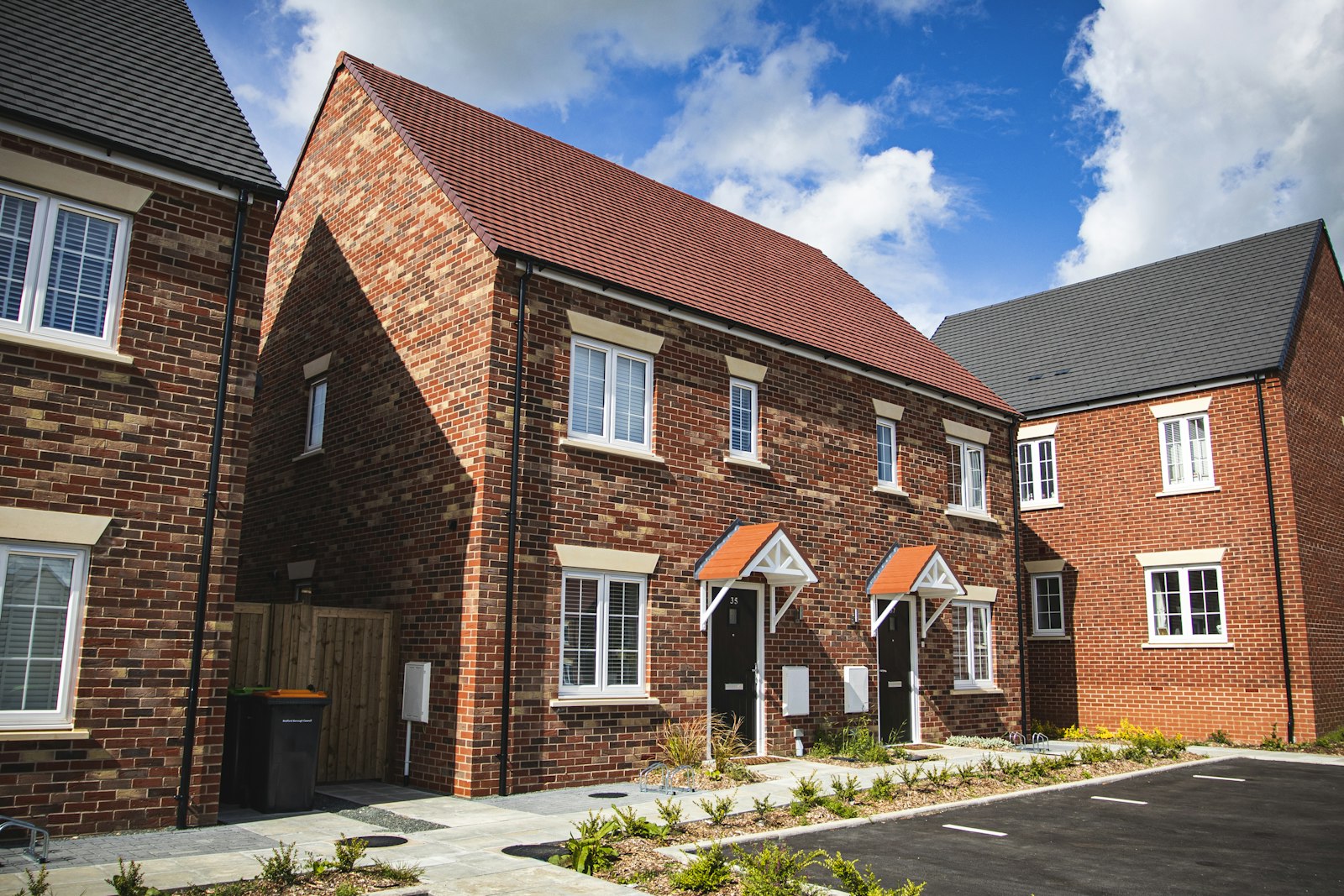
From a focused assessment for a single application to major development and infrastructure programmes, we help clients integrate air quality into their wider project objectives.
We support developers, landowners, planners, architects, contractors, infrastructure providers, industrial operators and asset owners throughout the project lifecycle. Our services cover air quality assessment and modelling, odour, dust, construction emissions, industrial and operational sources, indoor air quality, monitoring, mitigation design, and planning and regulatory support.
Why Choose Brookbanks for Air Quality
Early involvement allows us to identify the air quality considerations that may influence site acquisition, development capacity, masterplanning, building location, sensitive land uses and operational strategy. As projects progress, detailed assessment, dispersion modelling and monitoring help project teams understand potential effects and develop proportionate mitigation where required.
Our expertise extends beyond traditional development assessments. We advise on industrial and logistics operations, energy and infrastructure projects, manufacturing processes, waste and resource activities, commercial kitchens, agricultural sources and other developments where odour, dust or emissions may influence surrounding communities or future occupants.
With a strong understanding of planning, design and development delivery behind their technical work, our specialists give clear advice that helps clients make informed decisions and demonstrate environmental performance.
Key Client Benefits
- Our feasibility reviews give an early understanding of development potential by identifying air quality, odour, dust and emissions considerations before key investment and design decisions are fixed.
- Clients receive clear support through planning and consenting, with proportionate assessments, technical evidence and specialist advice tailored to each development and its surroundings.
- Design advice is integrated and practical, considering air quality alongside masterplanning, transport, ventilation, building design, landscape, environmental and operational requirements.
- We provide rigorous assessment of complex emission sources, including road traffic, industrial processes, plant, construction activities, dust and odour.
- Support runs from acquisition to operation, including baseline monitoring, modelling, mitigation, construction management, compliance monitoring, discharge of planning conditions and investigation of operational concerns.
- We look for value enhancement in our air quality work, protecting health, supporting active travel and greener design, and keeping planning on programme.
Specialist Services
Planning, Feasibility and Impact Assessment
Our early-stage reviews identify air quality constraints and opportunities to inform site acquisition, promotion, masterplanning and development strategy. They consider surrounding roads, existing industry, neighbouring land uses, sensitive receptors, proposed uses and potential mitigation requirements.
As schemes take shape, we carry out detailed Air Quality Impact Assessments for planning applications, environmental assessments and major infrastructure or regeneration schemes. We also prepare air quality, dust and odour chapters for Environmental Impact Assessments (EIA), assess cumulative effects alongside committed schemes, existing traffic and industrial activity, and carry out sensitive receptor and amenity assessments for homes, schools, healthcare and care facilities and public spaces.
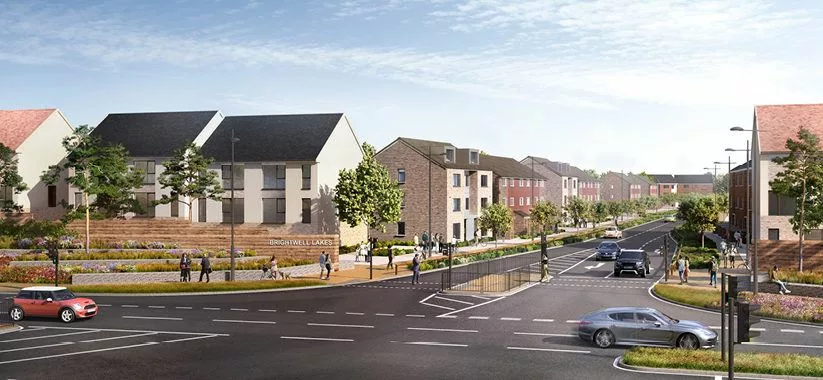
Explore our work at Newlands Farm in Fareham.

Dispersion Modelling and Monitoring
Atmospheric dispersion modelling shows how pollutants from road traffic, industrial processes, generators, combustion plant and other sources spread into the surrounding area. Our specialists use it to support impact assessment, options appraisal, mitigation design and operational decision-making.
Alongside modelling, we design air quality and odour monitoring programmes that establish baseline conditions, verify assessment assumptions and investigate potential impacts. Once a development is complete or operations begin, operational monitoring and technical review demonstrate ongoing performance, support compliance requirements and respond to changing circumstances.

Odour, Dust and Construction Emissions
Odour can affect both neighbours of a new source and new homes built close to established operations. We assess odour from industrial, agricultural, waste, food production, commercial, wastewater and other uses, with services including site surveys, source assessment, dispersion modelling, risk assessment, mitigation advice and Odour Management Plans.
For dust, we assess construction, demolition, earthworks, mineral handling and industrial activities and provide proportionate mitigation, monitoring recommendations and management plans. Construction emissions from traffic and plant are addressed through input to Construction Environmental Management Plans (CEMPs) and site-specific dust and emissions control strategies. Where concerns are raised, our team carries out independent investigation of air quality, odour or dust complaints, combining monitoring, site inspection, source identification and practical recommendations.

Industrial, Energy and Data Centre Emissions
We assess emissions from industrial processes, manufacturing facilities, energy infrastructure, logistics operations and other operational activities, supporting planning, design, permitting and ongoing operation. For logistics parks, distribution centres, warehousing and industrial estates, this includes road traffic and heavy goods vehicle movements, on-site plant, generators, dust and operational activities.
Energy, generator and combustion plant assessments cover standby and operational generators, boilers, combined heat and power systems and energy centres, with advice on plant location, exhaust configuration and mitigation. For data centres, we assess standby generation, testing regimes, operational scenarios and the cumulative effect of multiple sources. Commercial kitchen and flue assessments address emissions, odour and dispersion from restaurants and food production uses, including extraction locations and discharge arrangements.

Mitigation and Building Design
Practical mitigation strategies can include masterplan changes, separation distances, building orientation, ventilation, source controls, exhaust arrangements, construction controls and operational management measures. Our air quality neutrality and emissions mitigation work assesses development-generated emissions and helps clients understand how transport, energy and operational choices influence overall air quality performance.
For residential, high-rise and mixed-use developments affected by road traffic, neighbouring industry or other sources, we support masterplanning, façade and ventilation strategy development and the assessment of future occupant exposure. We also advise on how external air quality interacts with building ventilation and internal environments, working alongside building services and design teams where air quality influences ventilation strategy.
Explore our work at High Leigh Garden Village.

Planning Conditions, Regulatory Engagement and Expert Advice
Once permission is granted, we prepare and review the information needed to discharge air quality, dust, odour and emissions-related planning conditions, including monitoring strategies, management plans and technical verification. Our specialists also support engagement with local planning authorities, environmental health teams, environmental regulators and other stakeholders, helping project teams explain findings, agree methodologies and progress technical matters efficiently.
Independent expert advice is available for planning appeals, public inquiries, environmental disputes, nuisance matters and regulatory discussions. In each case, the focus is on clear, technically sound expert opinion.

Sectors We Support
Our air quality specialists support projects across our key sectors, including Education, Healthcare, High Rise, Data Centres, Infrastructure, Industry & Logistics, Residential (from small developments to major development sites) and Heritage.
Their wider experience also covers mixed-use and regeneration schemes, commercial development, energy and utilities, manufacturing, waste and resource facilities, hospitality and leisure, public sector estates and complex operational sites.
Talk to Our Air Quality Specialists
If you need early feasibility advice, an assessment to support a planning application or help with an operational site, contact a member of the team directly, or email hello@brookbanks.com and one of our experts will get back to you.

Group Director for Land, Development and Communities
Lee Witts
lee.witts@brookbanks.com
View profile


FAQs
When is an air quality assessment needed for a planning application?
An assessment is commonly requested where a development could change traffic levels or introduce new emission sources. It may also be needed where new residents or other sensitive users would be placed near existing sources such as busy roads or industry, or where the site lies in an area with known air quality concerns. Our specialists can advise early on whether an assessment is likely to be needed and how detailed it should be.
Do you assess odour as well as air quality?
Yes. We assess odour from industrial, agricultural, waste, food production, commercial and wastewater sources. This covers both a new source that may affect existing neighbours and new sensitive development proposed close to established operations.
Do you support data centres and generator installations?
Yes. We assess emissions from standby and operational generators, boilers, combined heat and power systems and energy centres. On data centre sites, this includes testing regimes and the cumulative effect of multiple sources.
Can you support us after planning permission is granted?
Yes. We help discharge air quality, dust and odour planning conditions and provide operational monitoring and compliance support. We can also investigate any concerns raised once a site is operating.