
Contact


From screening opinion to submission of the Environmental Statement, our specialists lead and coordinate the whole environmental impact assessment process.
Alongside Environmental Impact Assessment (EIA), we provide Health Impact Assessments, waste assessments and Geographic Information System (GIS) mapping that support planning applications and wider development strategy. Our clients include developers, landowners, promoters, planning consultants and local authorities, and we bring proportionate, evidence-based advice to full EIA coordination and single focused assessments alike.
Why Choose Brookbanks for Environmental Impact Assessment
An effective EIA depends on good coordination. Our environmental impact assessment work is supported by in-house specialists in transport, hydrology and drainage, ground conditions, acoustics, air quality, sustainability, utilities and nutrients, alongside our planning experts. Consistent assumptions, baseline information and methodologies can therefore be agreed across disciplines from the outset, so that each technical chapter tells the same story.
Acting as a central point of coordination between technical specialists, planning authorities and stakeholders, we help integrate environmental considerations into project planning from the start. Particular emphasis goes on setting a clear brief, defining a realistic worst-case scenario early and sharing planning context, site history and local policy expectations with the whole technical team. This reduces the risk of rework, strengthens the Environmental Statement and gives decision-makers the information they need.
Key Client Benefits
- We provide a single point of coordination for the EIA process, integrating planning and technical inputs so clients have one clear route from screening to submission.
- Assumptions and methodologies are agreed across disciplines early, supporting a consistent, defensible Environmental Statement.
- Our proportionate approach to screening and scoping focuses assessment effort on the matters likely to be significant, helping to manage time and cost.
- Combined planning and environmental expertise helps clients meet regulatory requirements and manage consenting risk throughout the assessment.
- Clients are kept informed of evolving policy, including the planned move towards outcomes-based environmental impact assessment.
- We look for value enhancement through the assessment process, keeping consents on programme and shaping mitigation that improves the scheme for people and nature.

Specialist Services
EIA Screening and Scoping
Screening establishes whether a proposed development requires an Environmental Impact Assessment. Some types of development always need one, while for others it depends on the scale of the scheme, the sensitivity of its location and the nature of its likely effects. We review proposals against the relevant criteria and prepare screening requests to the local planning authority, setting out a clear, well-reasoned case that gives clients certainty about programme and budget.
Scoping then defines what the EIA will cover, identifying the topics likely to give rise to significant effects and agreeing how they will be assessed. Our scoping reports and requests draw on a sound understanding of the scheme, its planning context and potential sensitivities, keeping the assessment focused and proportionate.
Our specialists share their approach in the webinar Comprehensive Coordination for Environmental Impact Assessments.
EIA Coordination and Environmental Statements
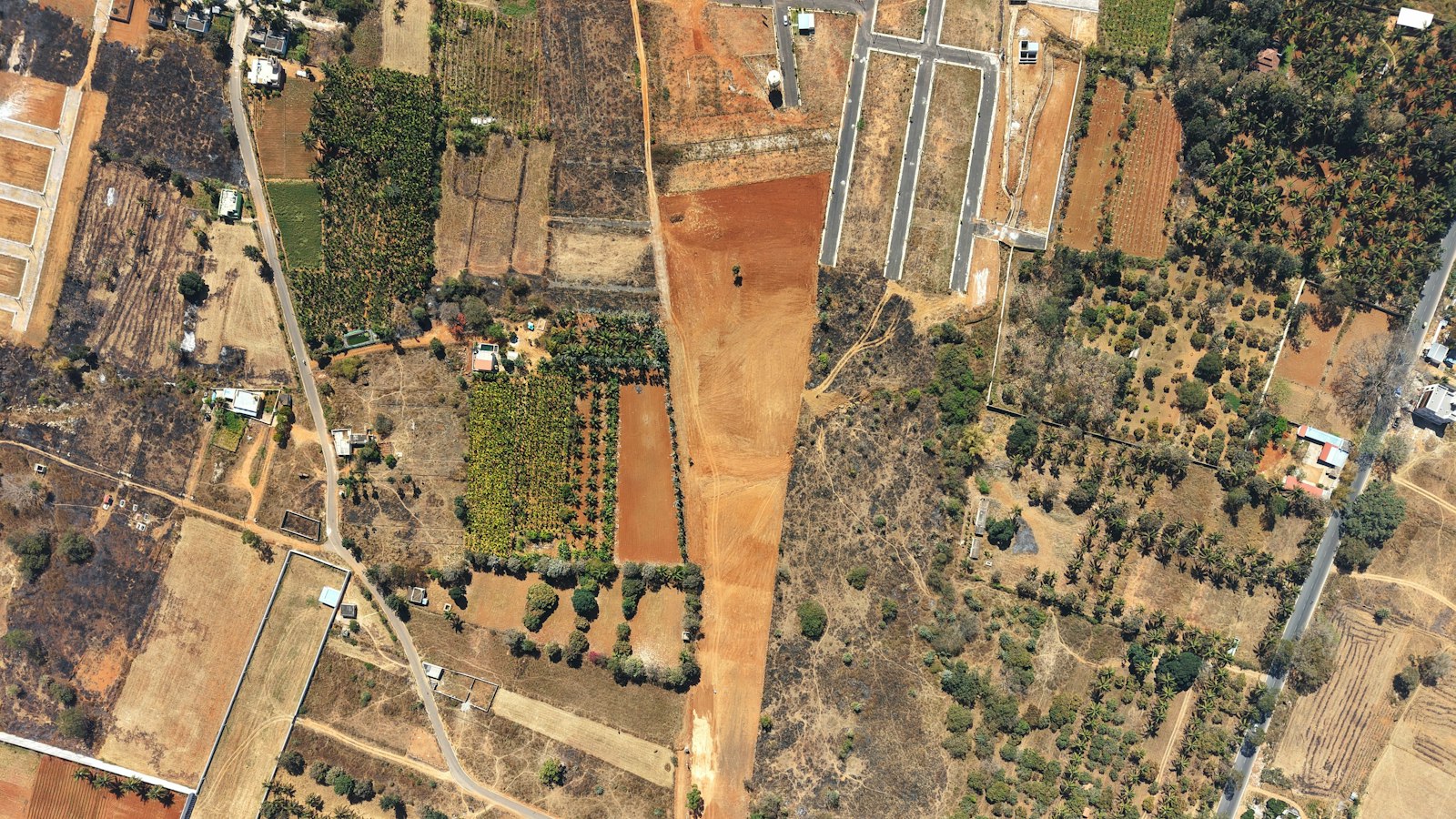
An Environmental Impact Assessment identifies the likely significant environmental effects of a development, sets out appropriate mitigation and gives decision-makers the information they need to weigh environmental matters within the planning balance. We lead the EIA process for complex development projects, working alongside our technical specialists and other consultants appointed to the project.
Throughout the assessment, our team coordinates the full technical team, managing programme, consistency of assumptions and the interdependencies between topics such as transport, drainage, ecology, noise and air quality. Baseline information, assessment of effects, cumulative effects and reasonable alternatives are all brought together so the assessment holds together and is clearly presented.
The Environmental Statement reports the findings of the EIA and accompanies the planning application. It needs to be clear, consistent and accessible, both for decision-makers and for the communities and stakeholders who will read it. We manage the production and submission of Environmental Statements, including the non-technical summary, editing technical chapters into a consistent whole and responding to any requests for further information.
See how we supported Handforth Garden Village.
Initial Environmental Examination and GIS Mapping
An Initial Environmental Examination is a proportionate, early review of a project’s potential environmental effects. We prepare these examinations to give clients a structured understanding of the key issues, helping to inform project decisions, scope further work, identify any mitigation that may be needed and determine whether more detailed assessment is required.
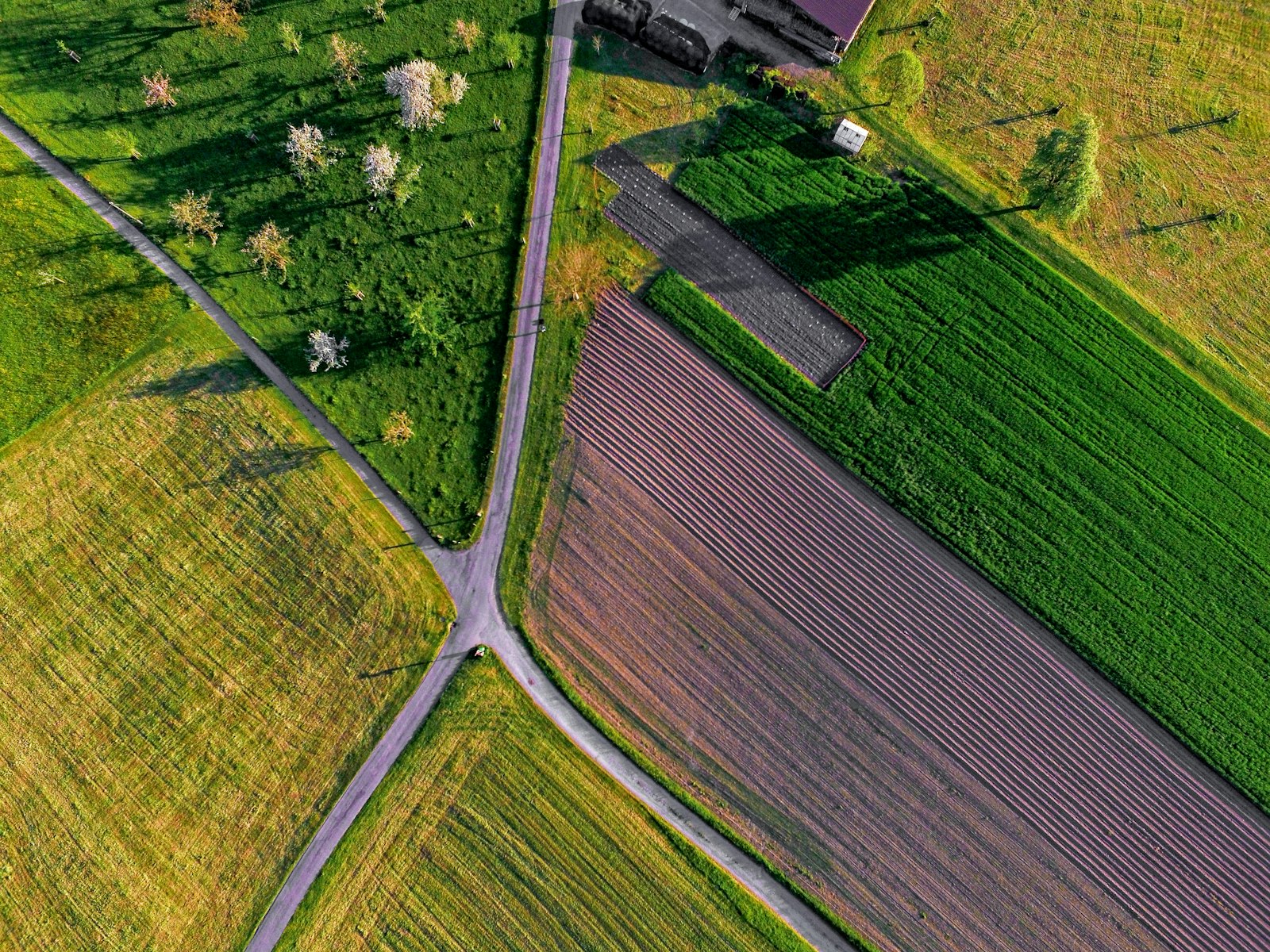
Geographic Information System (GIS) mapping brings together spatial data on land, constraints and the environment so it can be analysed and presented clearly. Our specialists use GIS digital mapping for site identification, constraints and opportunities mapping, baseline studies and EIA figures, helping clients and decision-makers understand complex information quickly.

Health Impact and Waste Assessments
Health Impact Assessments consider how a development may affect the health and wellbeing of the people who will live, work or spend time there, as well as existing communities nearby. Local planning authorities increasingly request them, particularly for larger schemes. Our assessments consider matters such as access to services, active travel, open space, air quality, noise and community facilities, identifying ways to enhance positive effects and address any negative ones.
Planning authorities also often ask developments to show how waste will be managed during construction and once the development is in use. Our waste assessments and waste management plans set out the likely types and quantities of waste and how they will be minimised, stored, reused, recycled and removed in line with relevant policy. This work can link with our earthworks and material management advice to make the best use of materials on site.
Hear more about on-site material management in Material Matters: Cut and Fill.
Sectors We Support
Our environmental impact assessment specialists work for developers, landowners, promoters, planning consultants and local authorities. Their experience is particularly strong on large residential-led schemes and complex sites, where many technical disciplines need to come together in one assessment.
Projects range from full EIA coordination on major schemes to single focused assessments, such as a screening request, a Health Impact Assessment or a waste management plan for a planning application.
Talk to Our Environmental Impact Assessment Specialists
If you need screening advice, full EIA coordination or a focused assessment to support an application, contact a member of the team directly, or email hello@brookbanks.com and one of our experts will get back to you.


Group Director for Land, Development and Communities
Lee Witts
lee.witts@brookbanks.com
View profile

Group Technical Director, Land, Development and Communities
Dean Swann
dean.swann@brookbanks.com
View profile

Technical Director, Land, Development and Communities
Richard Boyle
richard.boyle@brookbanks.com
View profile






FAQs
How do I know whether my development needs an EIA?
It depends on the type and scale of development, the sensitivity of the location and its likely effects. Some developments always require EIA, while others need to be screened case by case. Our specialists can review your proposals and, where appropriate, prepare a screening request to the local planning authority to confirm the position.
What is the difference between an EIA and an Environmental Statement?
The EIA is the overall process of identifying, assessing and reporting the likely significant environmental effects of a development. The Environmental Statement is the document that presents the findings of that process and is submitted with the planning application.
When should the EIA process start?
As early as possible. Starting early allows a clear brief to be set, the worst-case scenario to be defined and baseline surveys to be programmed. Together, these help reduce risk and avoid rework later in the process.
Can you coordinate an EIA where other consultants are also involved?
Yes. We regularly act as the central point of coordination for multidisciplinary teams, agreeing assumptions and methodologies across disciplines. Each contribution is then brought together into a consistent Environmental Statement.