
Contact
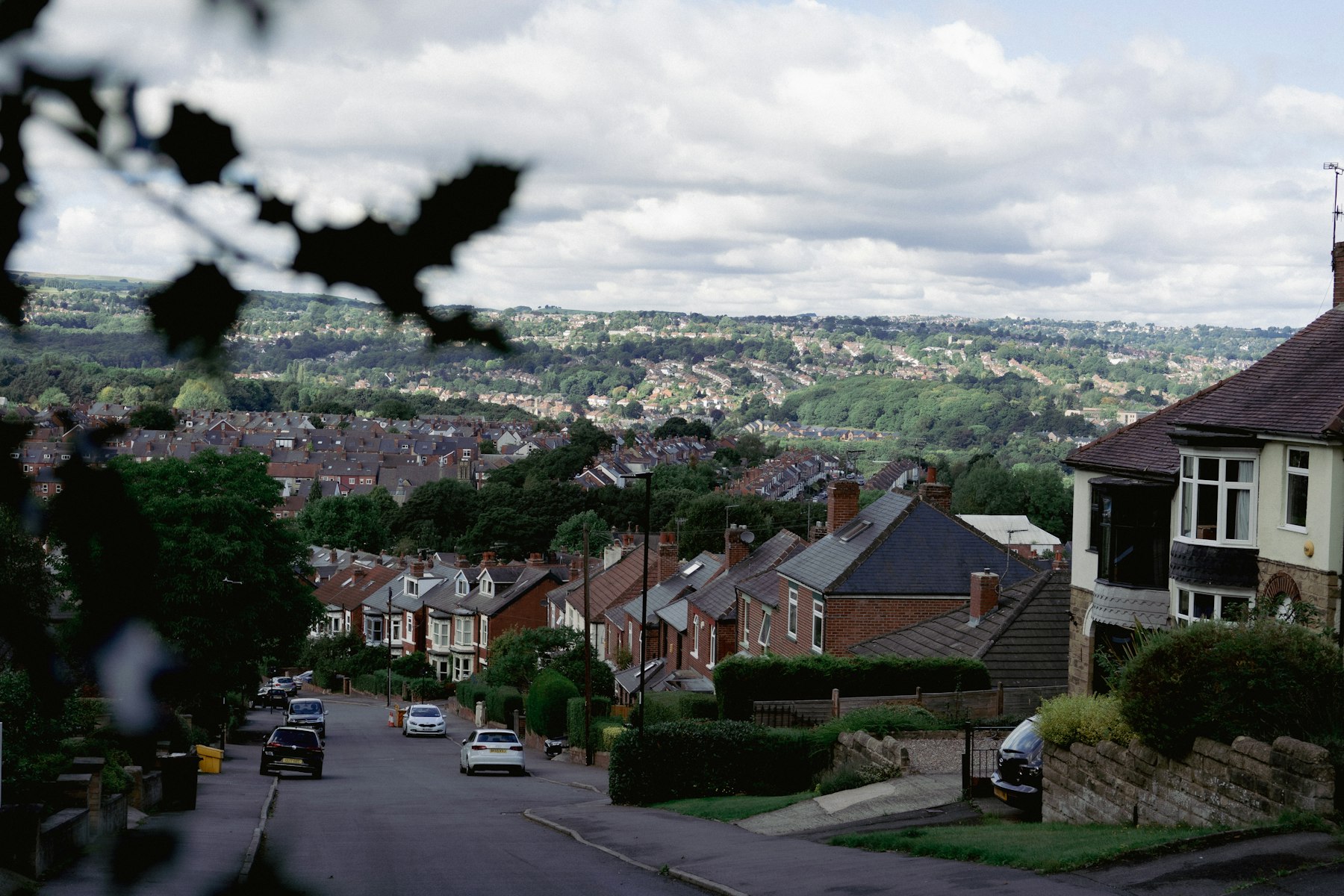
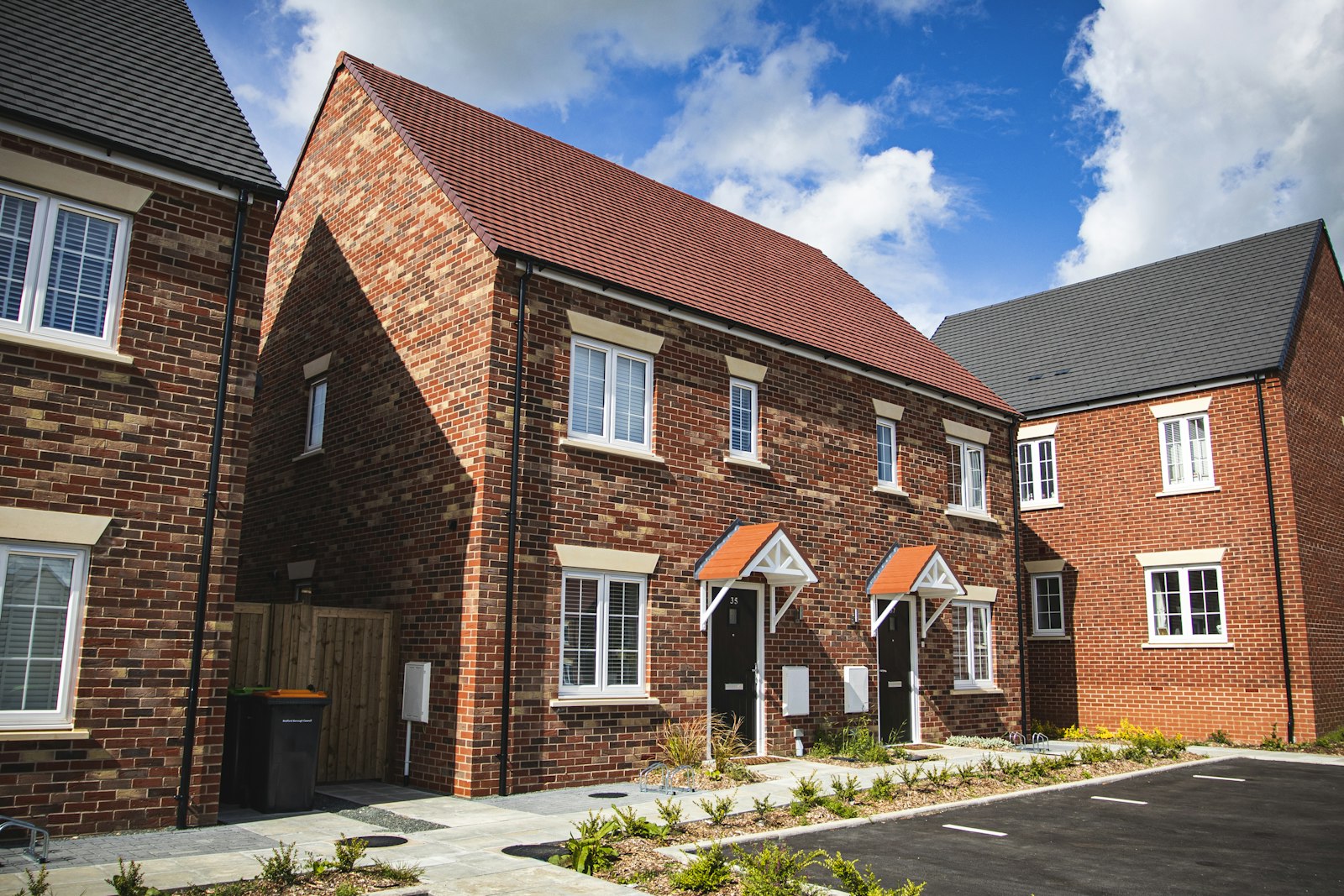
From a lighting scheme for a 13th century church to gallery refurbishments at major national museums, we integrate modern performance into historic buildings with care.
We support owners, institutions, developers, estate managers, architects, conservation teams and trustees on projects involving Listed Buildings, Conservation Areas, Historic Estates and Heritage Regeneration. Our experience covers museums, galleries, libraries, archives, schools and places of worship, as well as the adaptation and reuse of historic buildings for new purposes.
Why Choose Brookbanks for Heritage
Historic buildings have survived through careful management and maintenance, and they often work very differently from modern construction. Many rely on breathable fabric, thermal mass and generous ventilation, and were never built to accommodate modern services. Collections and archives can be highly sensitive to changes in temperature and humidity, and many buildings remain occupied or open to the public while works take place.
Our starting point is to understand how a building already performs before proposing change. Where possible, we favour passive design solutions that work with the thermal mass of historic structures, and where new interventions are needed, we make them discreet and reversible so that they can be supported by conservation officers and through listed building consent. Working alongside architects, heritage consultants and conservation teams, we consider heritage significance together with engineering, sustainability, planning and cost from the outset.
Key Client Benefits
- Modern services and structural interventions are designed to respect the character and fabric of historic buildings.
- Passive and reversible solutions support constructive conversations with conservation officers and listed building consent.
- Energy performance and comfort are improved in a way that suits how each building was originally built.
- Retaining and reusing existing structures saves embodied carbon as well as cost.
- Works in occupied and operational buildings are carefully scheduled to minimise disruption to visitors, staff and collections.
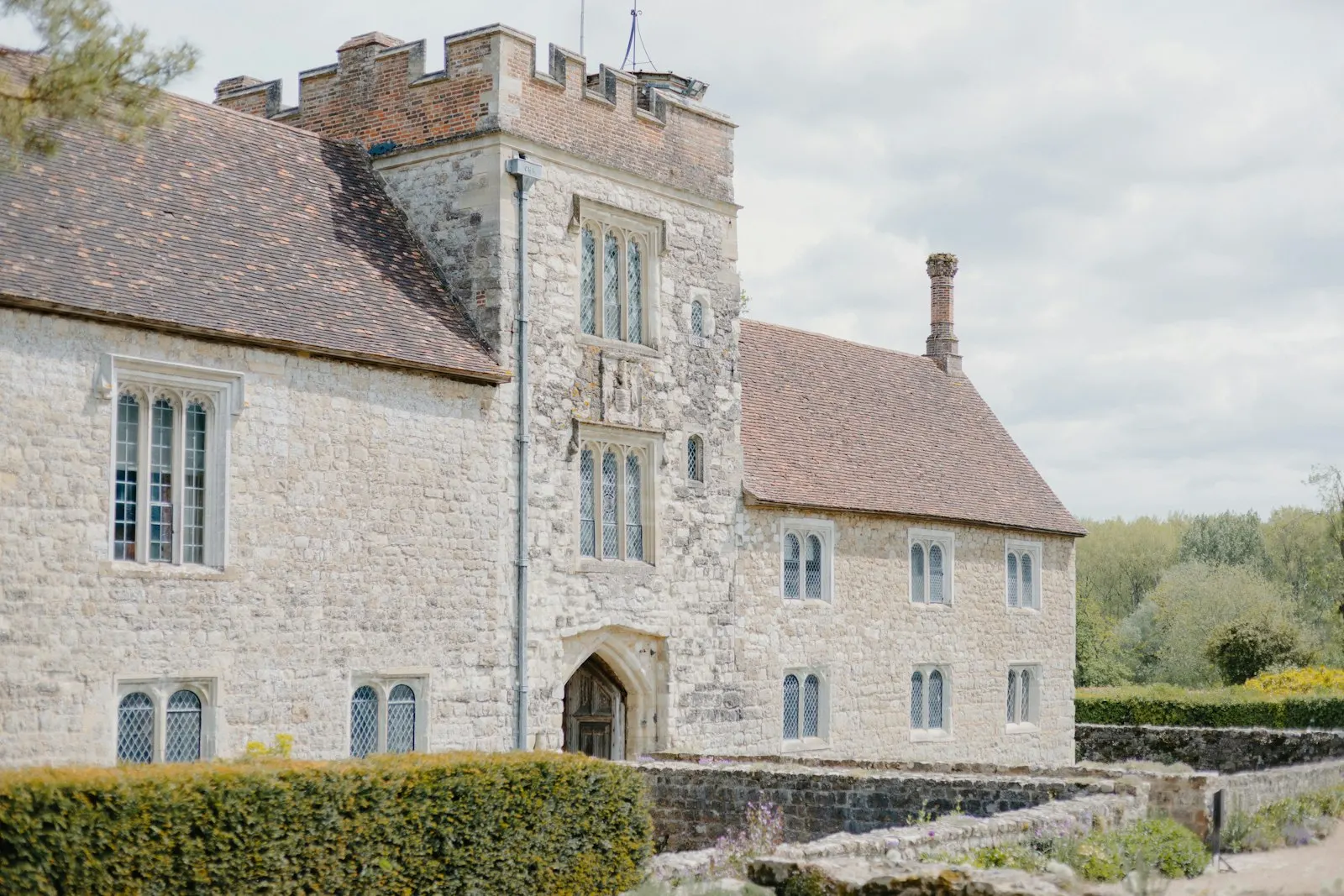
How We Support Heritage Projects
Building Services in Listed and Historic Buildings
Our building services engineering specialists integrate modern mechanical, electrical and public health services into listed buildings, starting with passive design and introducing carefully coordinated, reversible interventions only where they are needed.
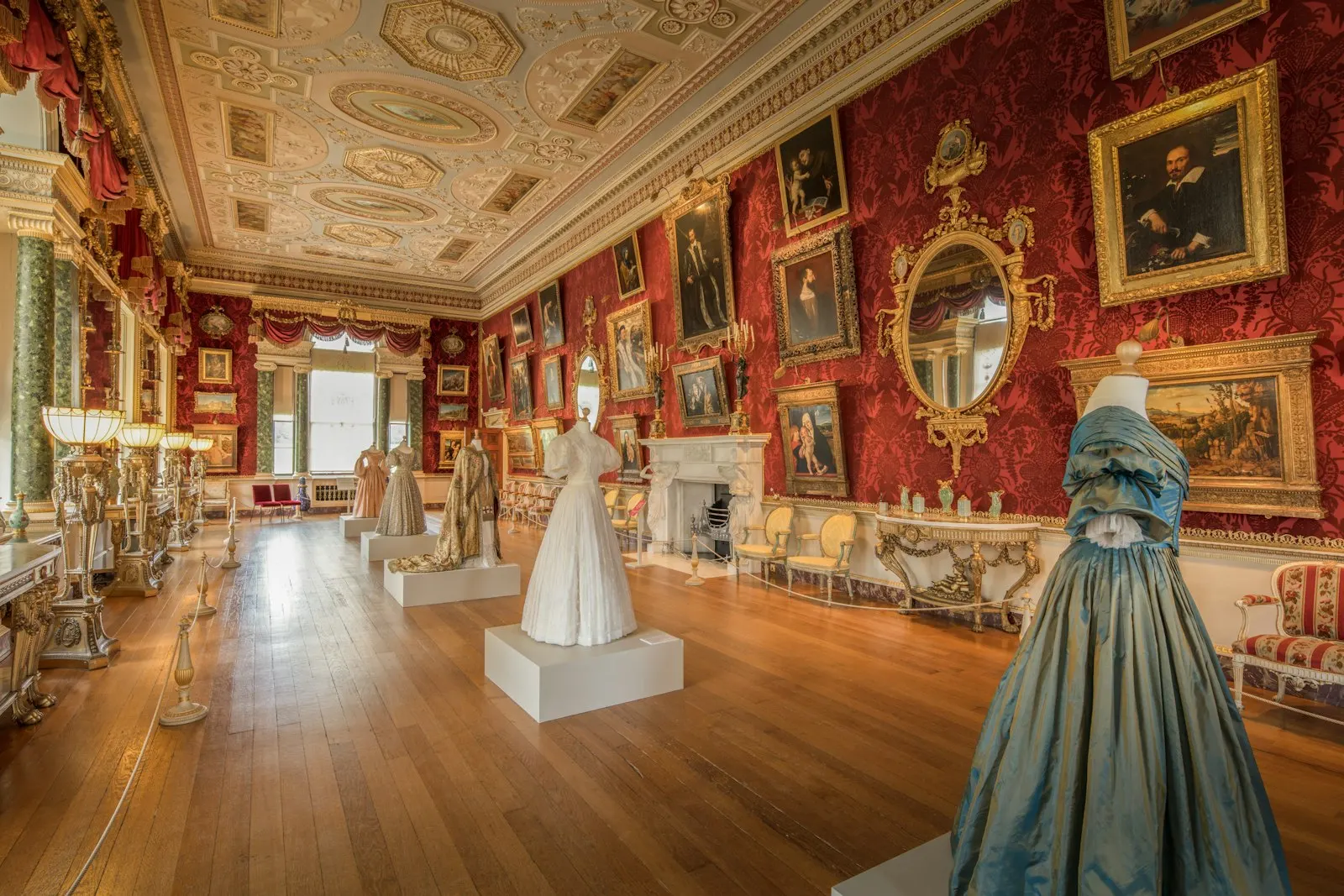
At the Wolsey Art Gallery in Grade I listed Christchurch Mansion, a Tudor building dating back to 1584, we worked with a specialist conservation architect to refurbish all mechanical and electrical services. Air conditioning was discreetly incorporated into a newly panelled ceiling to control temperature and relative humidity for the collection. In the British Galleries at the Victoria & Albert Museum, our engineers routed services and integrated finishes so that they were completely concealed around ornate historic panelling.
Read about the Wolsey Art Gallery at Christchurch Mansion.
Structural Assessment, Reuse and Adaptation
Reusing a historic structure begins with understanding what already exists. Our structural engineering specialists combine archival research, an understanding of past alterations, condition surveys and structural analysis to establish how a building carries load and what it can accommodate.
This allows us to design conversions, strengthening and alterations that make the most of the original structure, considering floor loadings, wall layouts, floor-to-ceiling heights, fire and acoustic performance and the integration of new services. Older buildings were often generously engineered, which can make them surprisingly well suited to reuse.
Read our insight on reusing existing structures.

Sustainability, Energy and Collection Environments
Our sustainability specialists provide pre-refurbishment appraisals and plan upgrades that support decarbonisation goals while respecting historic construction. For historic churches working towards the Church of England’s net zero ambitions, we have surveyed building fabric and heating systems and modelled low carbon options suited to how each space is used.
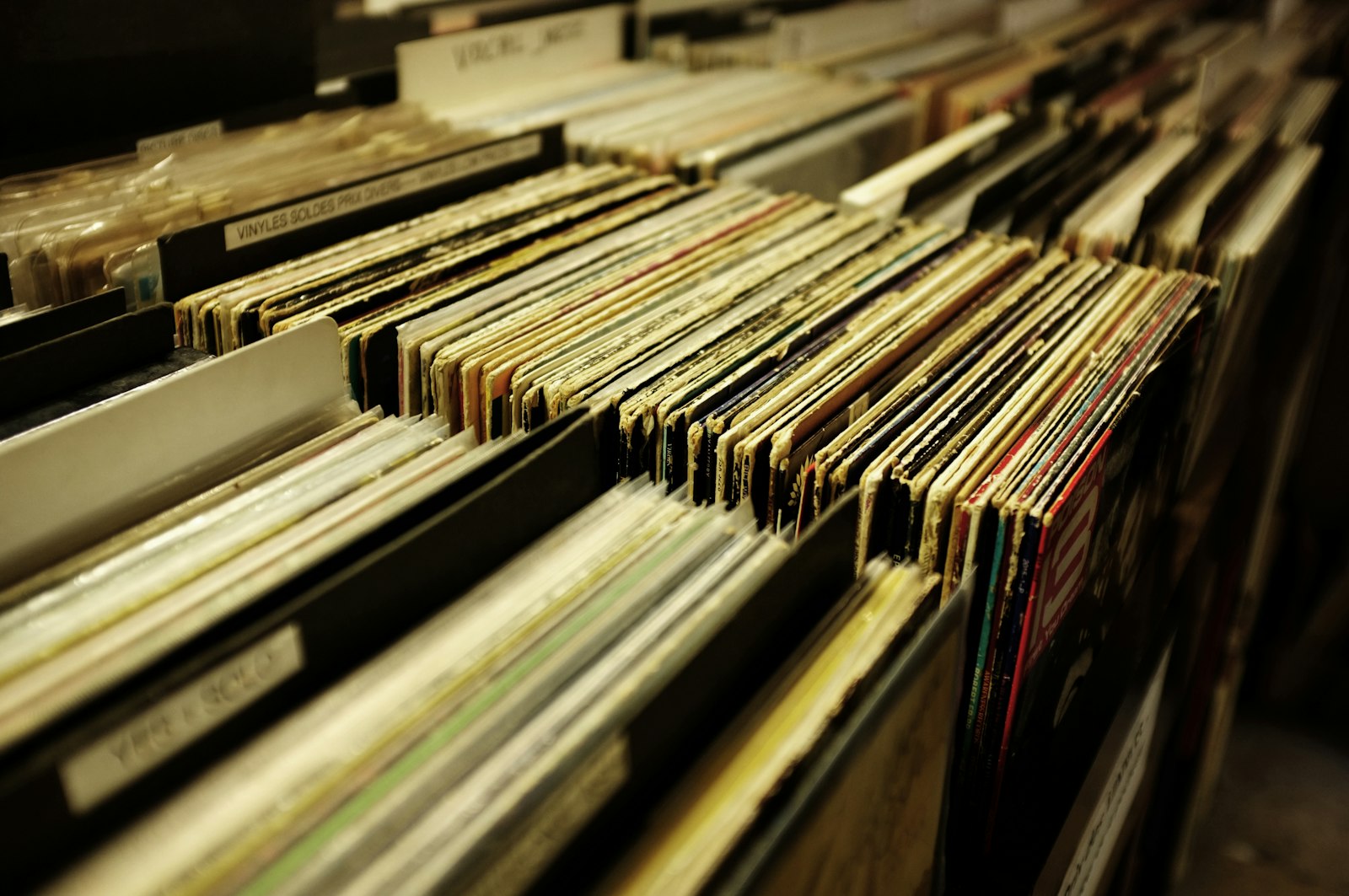
Where collections need stable conditions, we look to passive means first. At Staffordshire’s Grade II listed History Centre, extensive modelling created a passive design for new archive facilities compliant with BS4971, and we supported the Heritage Lottery Fund bid with a detailed Management & Maintenance Plan. At the British Museum, relocating stored items to areas with more favourable conditions allowed passive measures to provide the primary environmental control.
Find out more about the Staffordshire History Centre.
Planning and Development in Sensitive Settings
Our planning specialists help clients identify heritage considerations early and build them into site appraisal, design and masterplanning, working alongside heritage consultants on assessments of significance and impact. This applies equally to extensions and new development in conservation areas and to schemes that bring historic buildings back into use.
At the former Grade II listed Peterborough Hospital, our flood risk, transportation, service supplies, highway design and drainage design supported a planning application for 350 new homes and a primary school. Consent enabled the sale of the land, and several historically significant buildings were retained as focal points of the new community. Our highways and transportation and hydrology specialists bring the same care to other sensitive settings.
See our work at Peterborough Hospital.

Acoustics, Cost and Delivery on Historic Estates
Our acoustics experts advise on room acoustics, sound insulation and building services noise in cultural and heritage spaces. Our cost and commercial specialists help clients understand the costs of working with historic buildings, while our project delivery and management specialists coordinate the team and stakeholders through consent, design and construction.
Many heritage projects take place in buildings that stay in use. At the Florence Nightingale Museum, our planning ensured that services passing through the museum to occupied floors above were uninterrupted, and at the Natural History Museum, a series of projects across public galleries and back-of-house facilities integrated new systems within existing infrastructure to minimise disruption.
Explore our work at Hintze Hall, Natural History Museum.
Our Experience
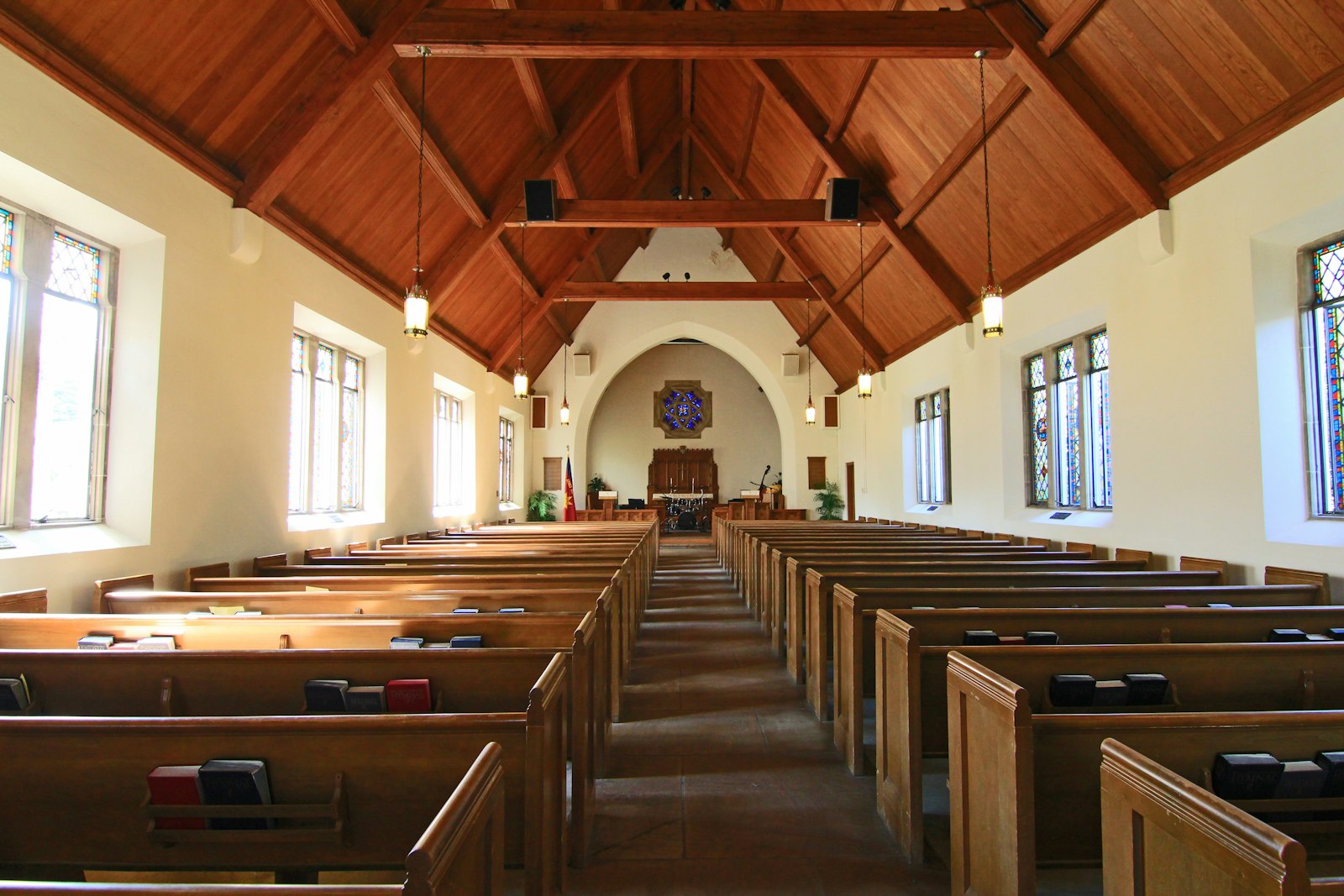
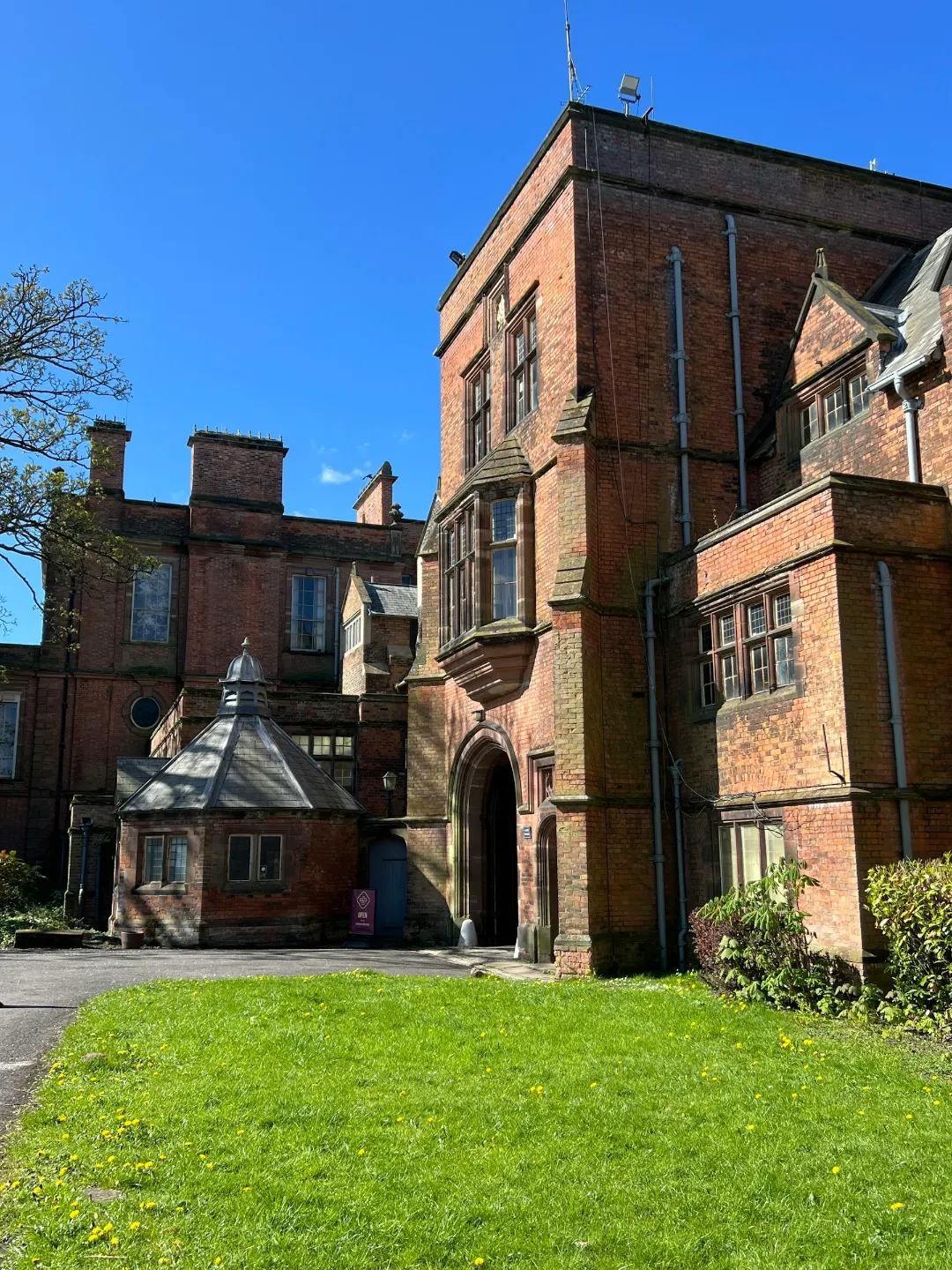
Our heritage experience spans Listed Buildings, Conservation Areas, Historic Estates and Heritage Regeneration. We have integrated new services into Grade I and Grade II listed buildings including the Fitzwilliam Museum, the National Maritime Museum, the Herbert Art Gallery & Museum, the Jewish Museum and Christchurch Mansion, as well as historic churches and the Grade I listed chapel at Berkhamsted School. Within conservation areas, we coordinate planning, transport, environmental and engineering advice so that extensions, refurbishment and new development respond positively to their setting.
For owners of historic estates, we have delivered programmes of work across the Natural History Museum and the Victoria & Albert Museum, a range of projects across Berkhamsted School’s four campuses, and building services for Audley retirement villages whose communal hubs are often housed within historic, listed buildings. Our heritage regeneration work includes the former Peterborough Hospital, where historic buildings now anchor a new community, and the building services for Koko, Camden Palace, where Historic England was involved in recreating the historic elements of the site.

Talk to Our Heritage Specialists
If you are working on a listed building, a historic estate or development in a sensitive setting, contact a member of the team directly, or email hello@brookbanks.com and one of our experts will get back to you.

Technical Director, Land, Development and Communities
Richard Boyle
richard.boyle@brookbanks.com
View profile

Senior Engineer, Mechanical & Electrical Engineering Group
Daniel Kainth
daniel.kainth@brookbanks.com
View profile






Associate Director, Mechanical and Electrical Engineering
Jack Kenny
jack.kenny@brookbanks.com
View profile



FAQs
Can modern building services be added to a listed building without harming it?
In most cases, yes. We start by understanding how the building already works and look for passive solutions first. Where new services are needed, we route and design them to be as discreet and reversible as possible, so that they can be supported by conservation officers and through listed building consent.
Can historic buildings be made more energy efficient?
Yes, with care. Historic buildings often rely on breathable fabric and generous ventilation, so improvements need to work with the building rather than against it. Our sustainability and building services specialists plan upgrades that improve comfort and energy performance while protecting the historic fabric.
Can you help adapt a historic building for a new use?
Yes. Our structural engineers assess the condition and capacity of existing structures and design alterations and strengthening that allow a building to be adapted for a new use. We aim to retain as much of the original structure as possible, which also saves embodied carbon.
Can works go ahead while a historic building stays open?
Often, yes. Many of our museum, archive and gallery projects have taken place in occupied buildings. We survey existing services early and schedule works carefully, so that collections are protected and disruption to visitors and staff is kept to a minimum.